Commercial scaffolding quotes
Commercial scaffolding provides temporary working platforms, edge protection and safe access around buildings during construction, repair, maintenance or inspection. It is needed when ladders cannot provide stable reach, materials must be handled at height, or several trades require protected access without obstructing the work below.
What this covers
The work normally starts with a site assessment covering the building footprint, ground conditions, entrances, rooflines, adjoining structures, overhead obstructions and areas used by workers or the public. A scaffolding provider then designs a temporary arrangement of standards, ledgers, transoms, braces, boards, guardrails, toe boards and access points for the intended loads and tasks.
Erectors assemble the scaffold in planned lifts, tying or otherwise stabilising it in relation to the building where the design requires. Working platforms are boarded and protected so trades can reach the workface while tools and materials remain controlled. Stair towers, ladders, loading bays, fans, debris netting or sheeting may be incorporated where the project demands them.
The scope can include a temporary roof, pavement protection, gantries, crash decks or adaptations around plant and restricted access. Once complete, the arrangement is checked and handed over for use. It may then need alterations as the building changes, followed by a controlled dismantle that avoids striking finished work, blocking access or leaving fixings and debris behind.
How the work is done
The provider first discusses the work sequence, required platform levels, expected loads, access hours and any areas that must remain open. A survey follows, checking ground bearing, elevations, projections, roof geometry, overhead services, neighbouring boundaries and public routes.
A design is prepared around the intended use. It may show ties, bracing, access towers, loading bays, protective fans, sheeting or a temporary roof. The customer should understand where the scaffold will stand, what it can carry and which changes require the provider to return.
Erectors deliver and assemble the components in stages, creating a stable frame before boarding each lift. Guardrails, toe boards, access arrangements and any screening are fitted as the structure rises. The completed scaffold is inspected, adjusted if necessary and handed over for the agreed work.
During the project, the provider may alter lifts, remove sections or add protection as construction progresses. At completion, the scaffold is dismantled in reverse sequence, with materials removed from site and any affected surfaces or access routes left clear.
What affects the cost
Commercial scaffolding cost is driven by the amount of structure, the difficulty of reaching the building and how long the equipment must remain available. A simple, open elevation is less demanding than a constrained site with several roof levels, projections, fragile surfaces or limited delivery access.
The quote may change where the design needs loading bays, stair towers, pavement protection, debris netting, shrink-wrap, a temporary roof, crash decks or protection for the public. Ground preparation, traffic or pedestrian management, manual carrying and restricted erection hours can add labour and handling complexity.
Duration matters because hire continues while the scaffold occupies the site, particularly if other trades overrun or the building programme changes. Ask whether the figure includes design work, transport, erection, initial inspection, routine visits, alterations, emergency attendance, dismantling and waste removal. Also clarify who pays for extensions, damage, unauthorised alterations and return visits caused by changed access requirements.
Before you hire
Useful evidence is a clear site survey, a scaffold design matched to the building and an explanation of loading, ties, access and public protection. A competent provider should identify ground conditions, overhead obstructions, fragile roofs and interfaces with cranes, hoists or other trades before erection.
Ask how handover, inspections, emergency attendance and alterations are recorded. Job-specific competence shows in practical details: maintaining access during phased works, protecting finished cladding, accommodating a temporary roof and dismantling without destabilising adjoining sections.
Recent work
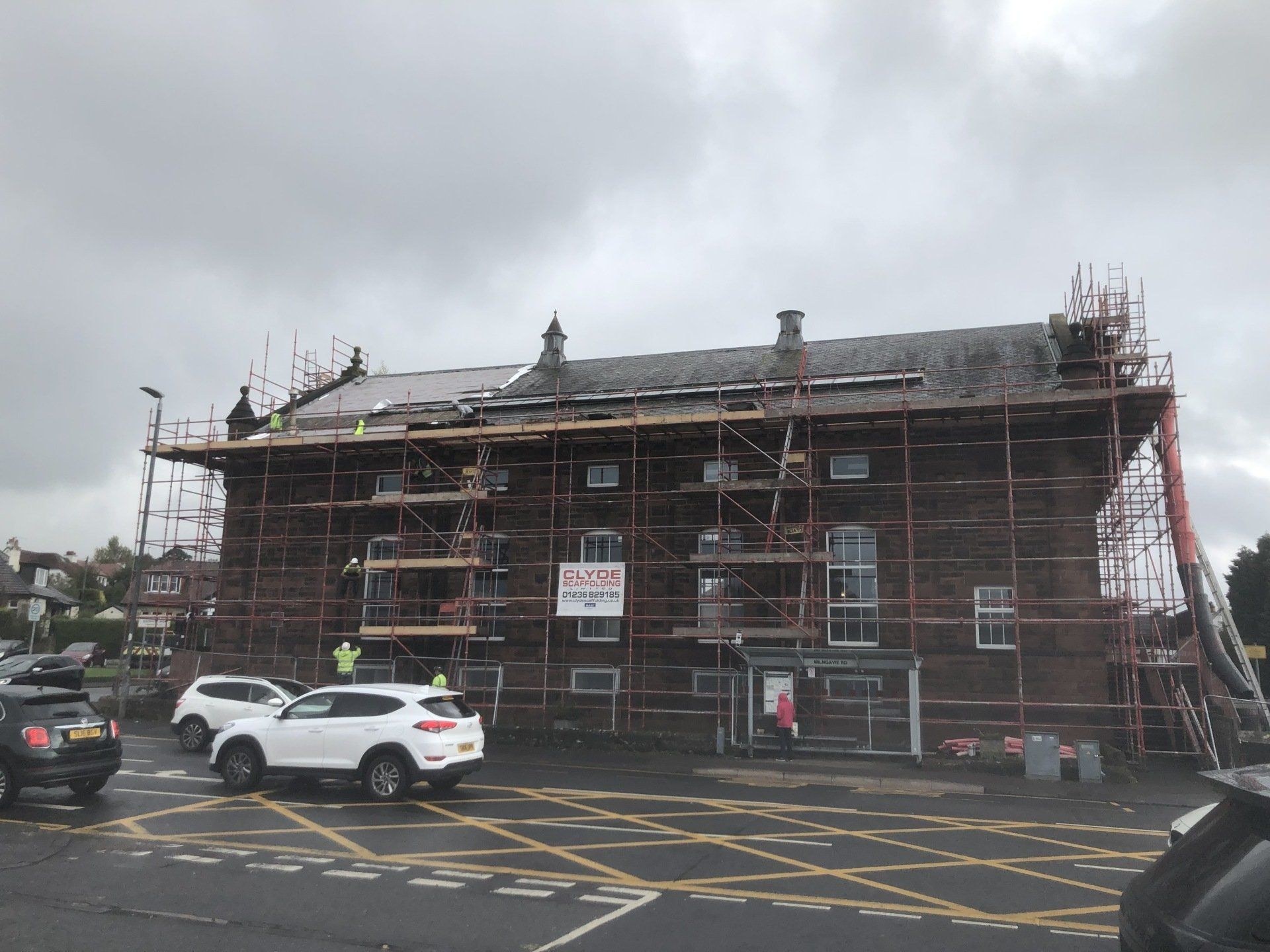 Scaffolding project 1
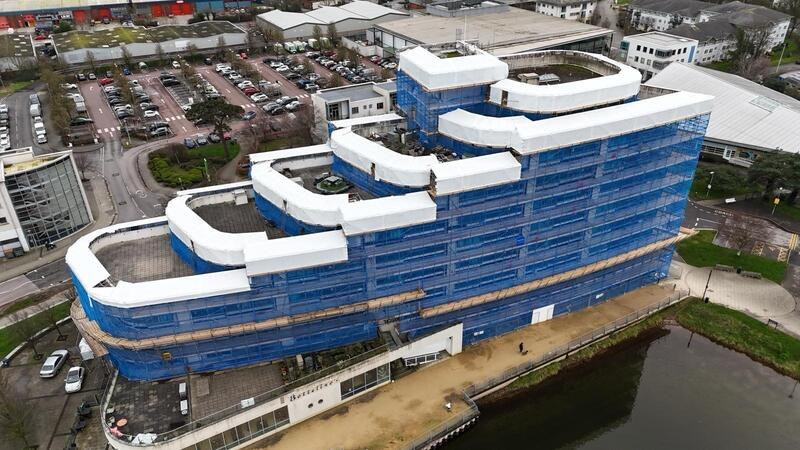 Scaffolding project 1
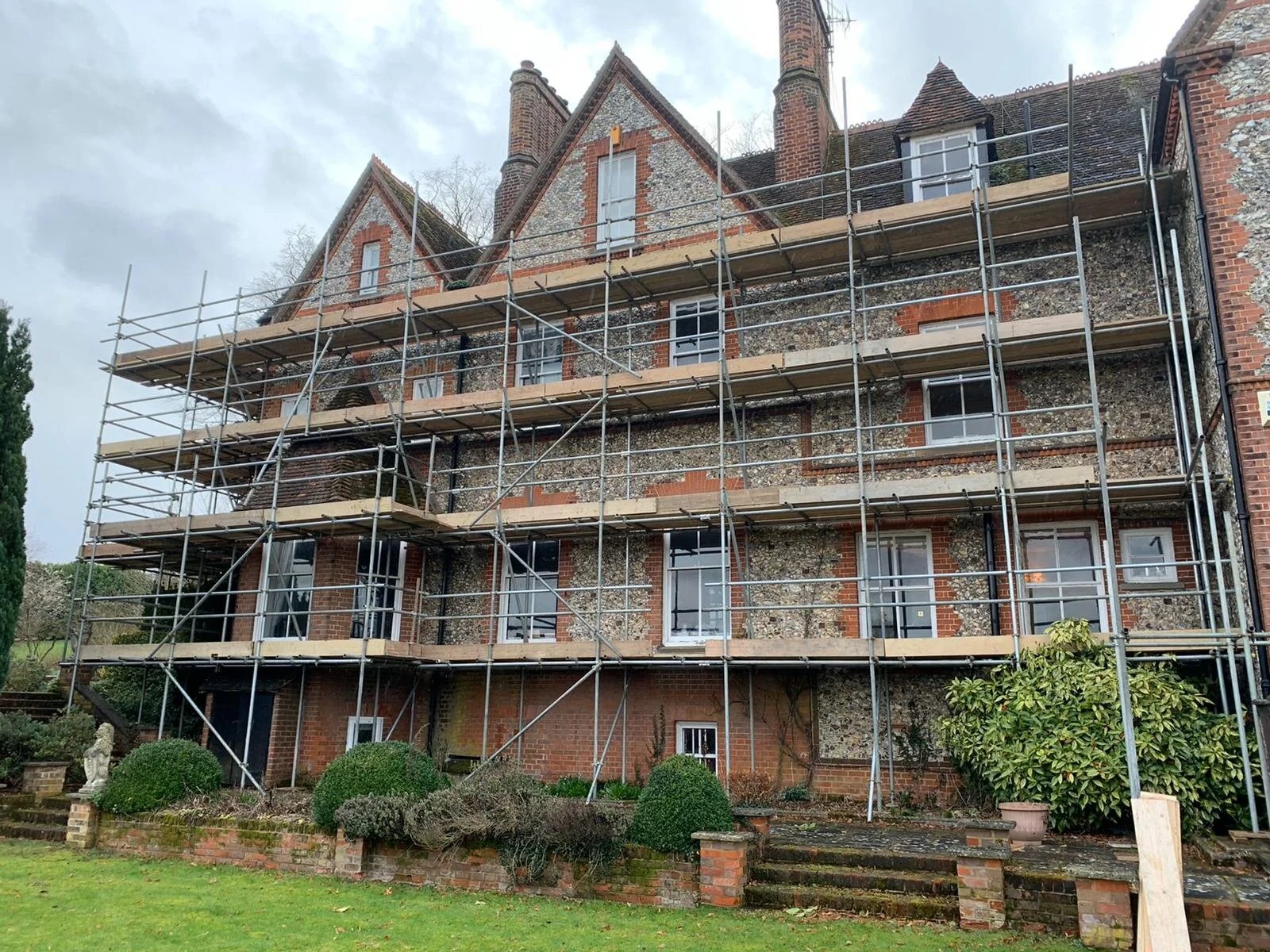 Scaffolding project 1
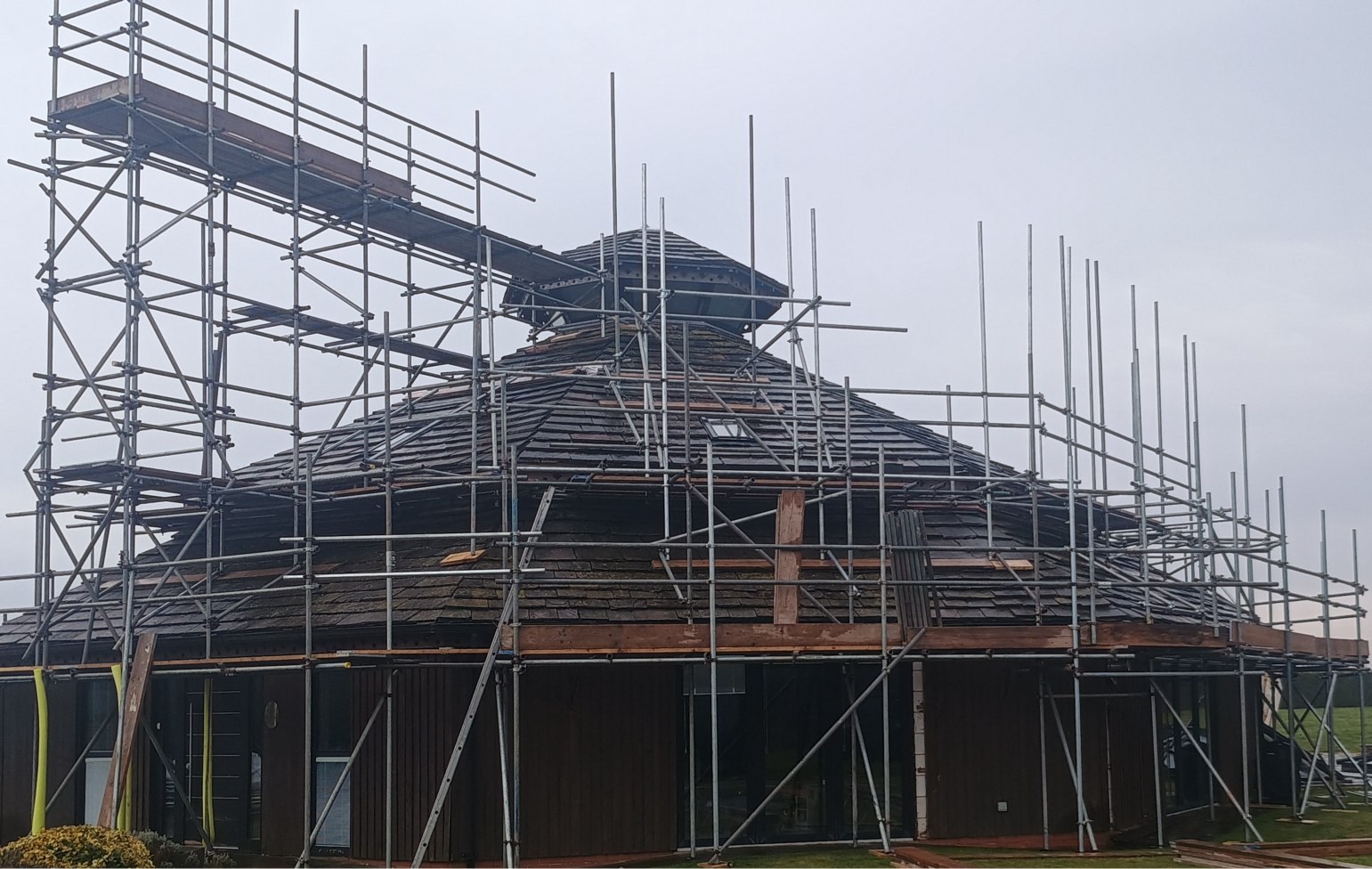 Scaffolding project 1
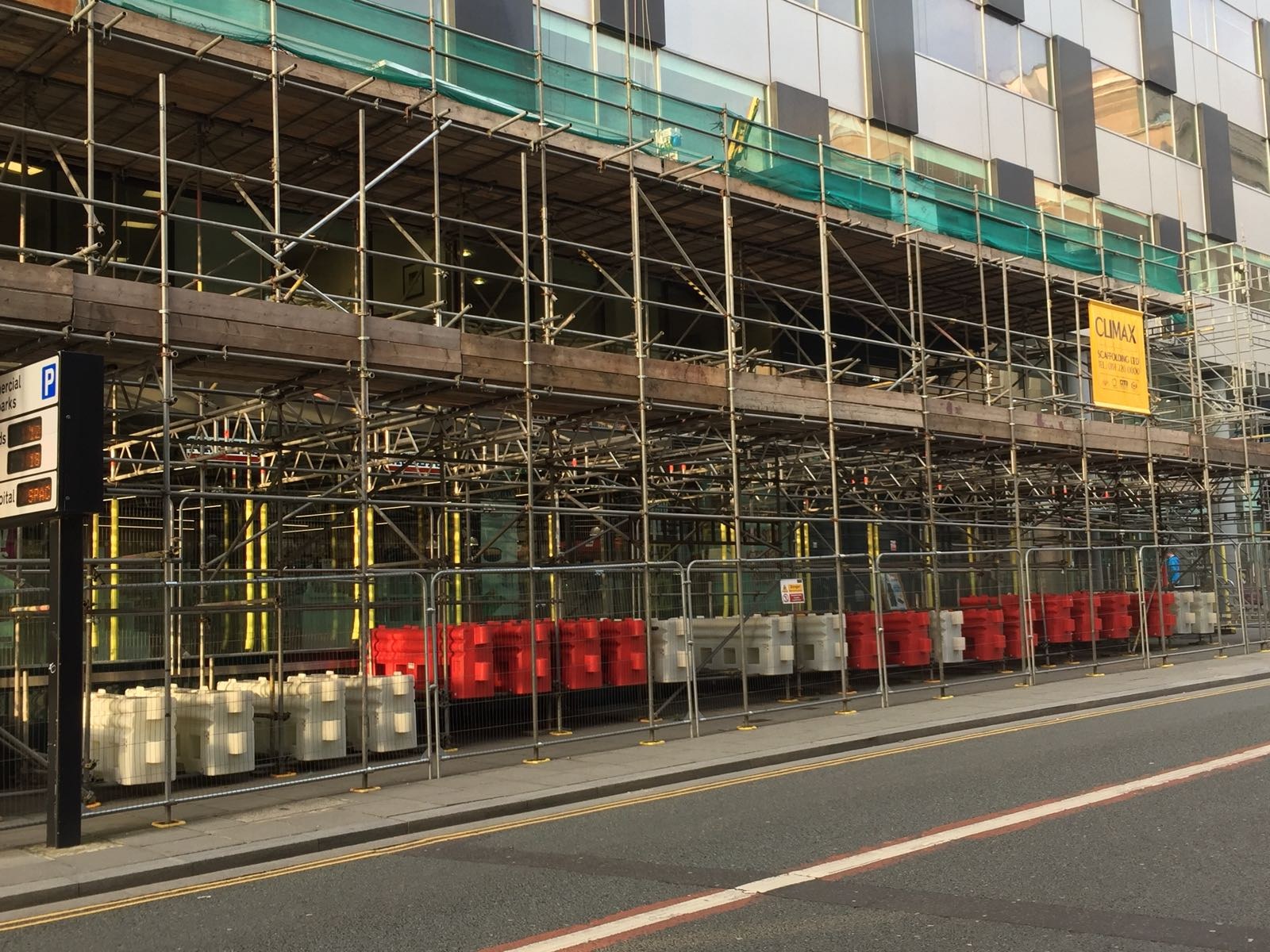 Scaffolding project 1
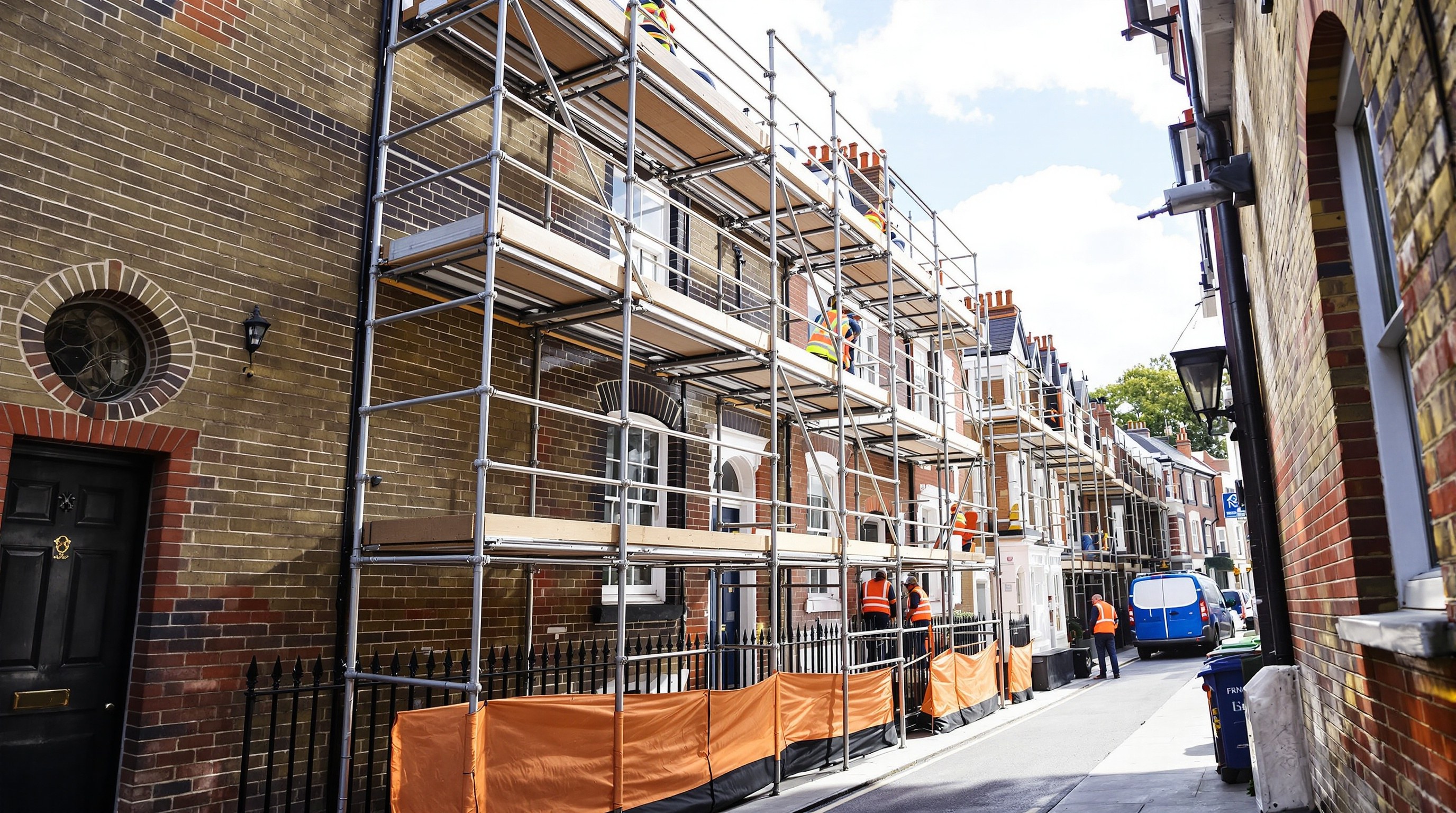 Scaffolding project 1
 Scaffolding project 1
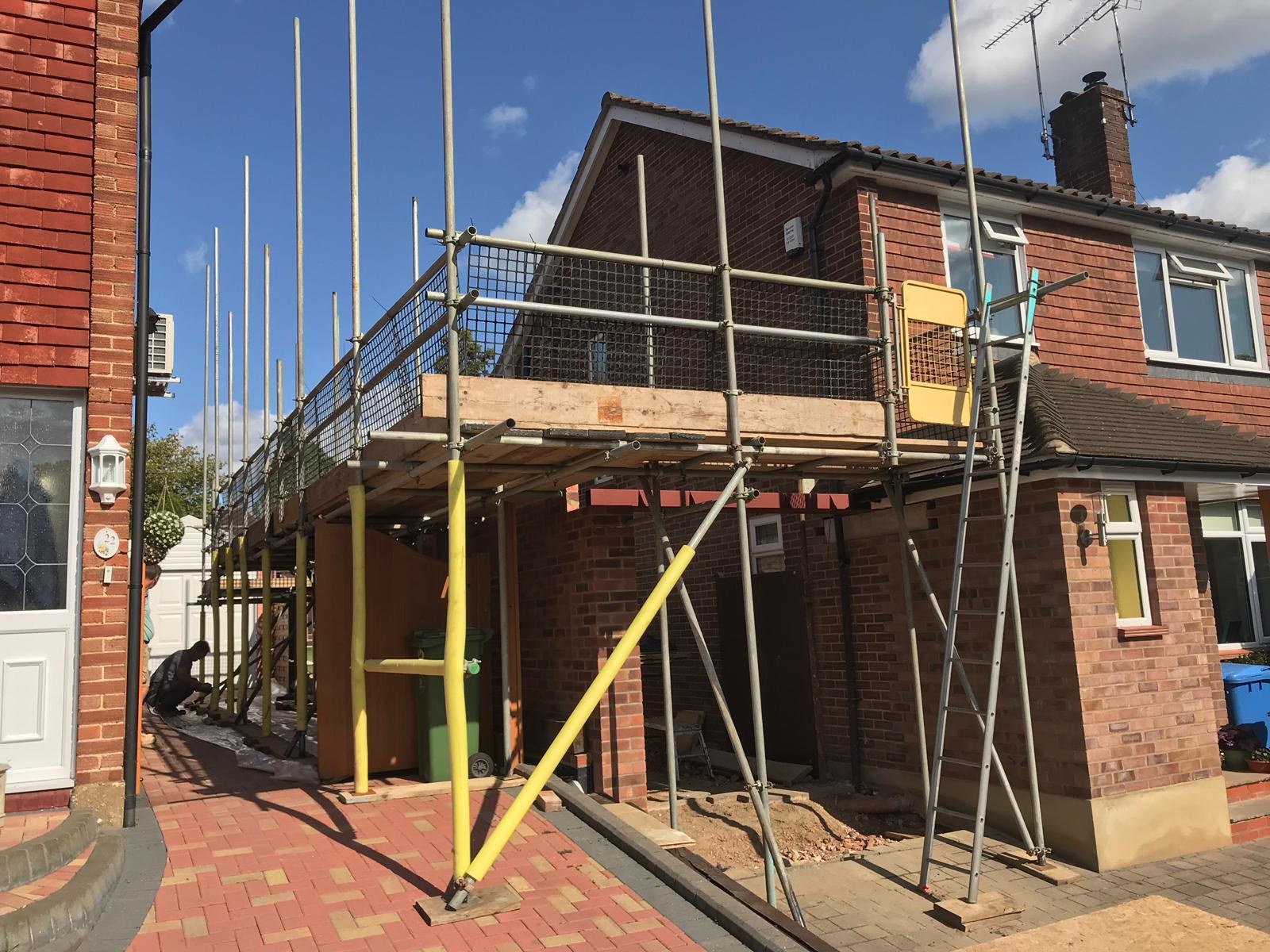 Scaffolding project 1
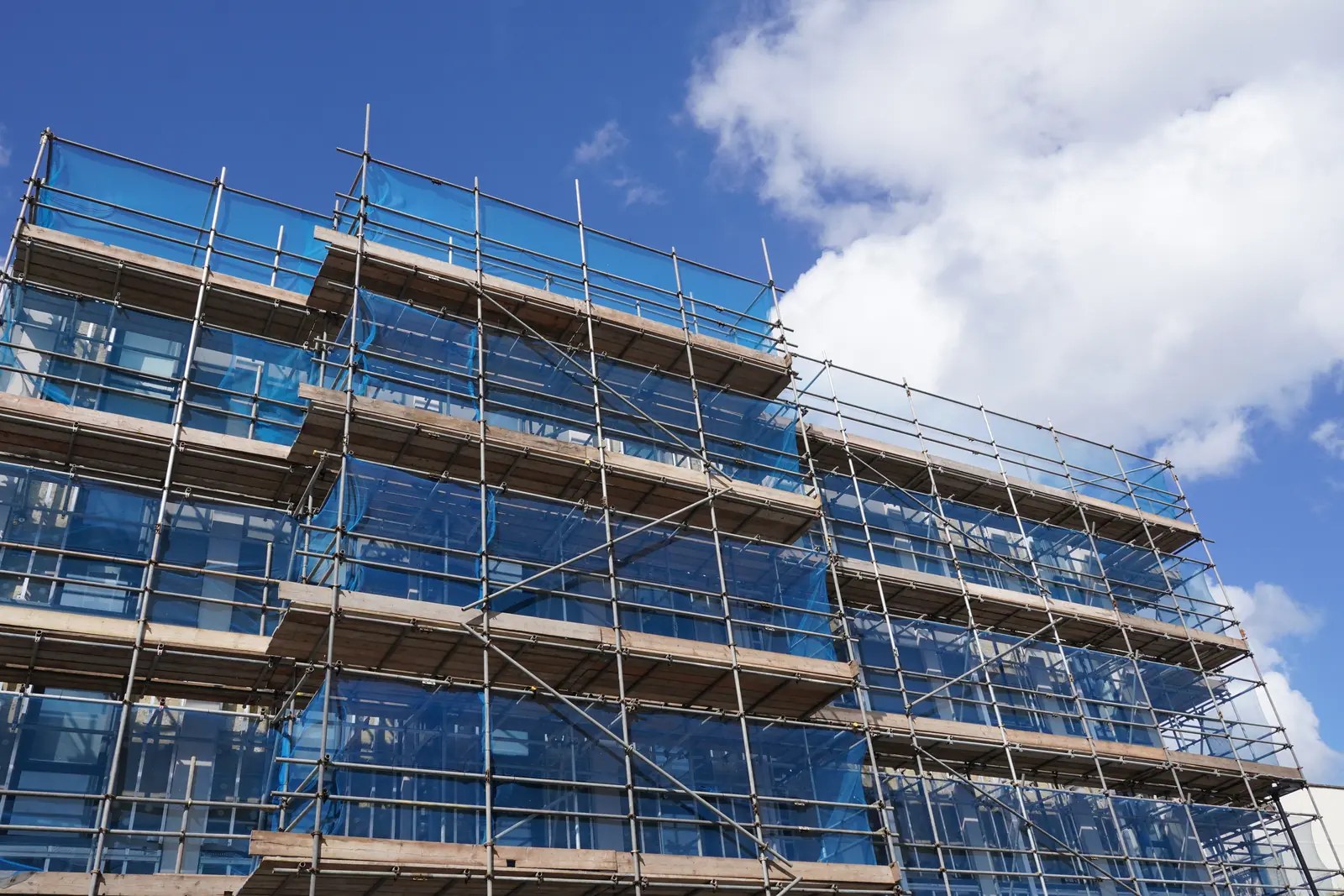 Scaffolding project 1
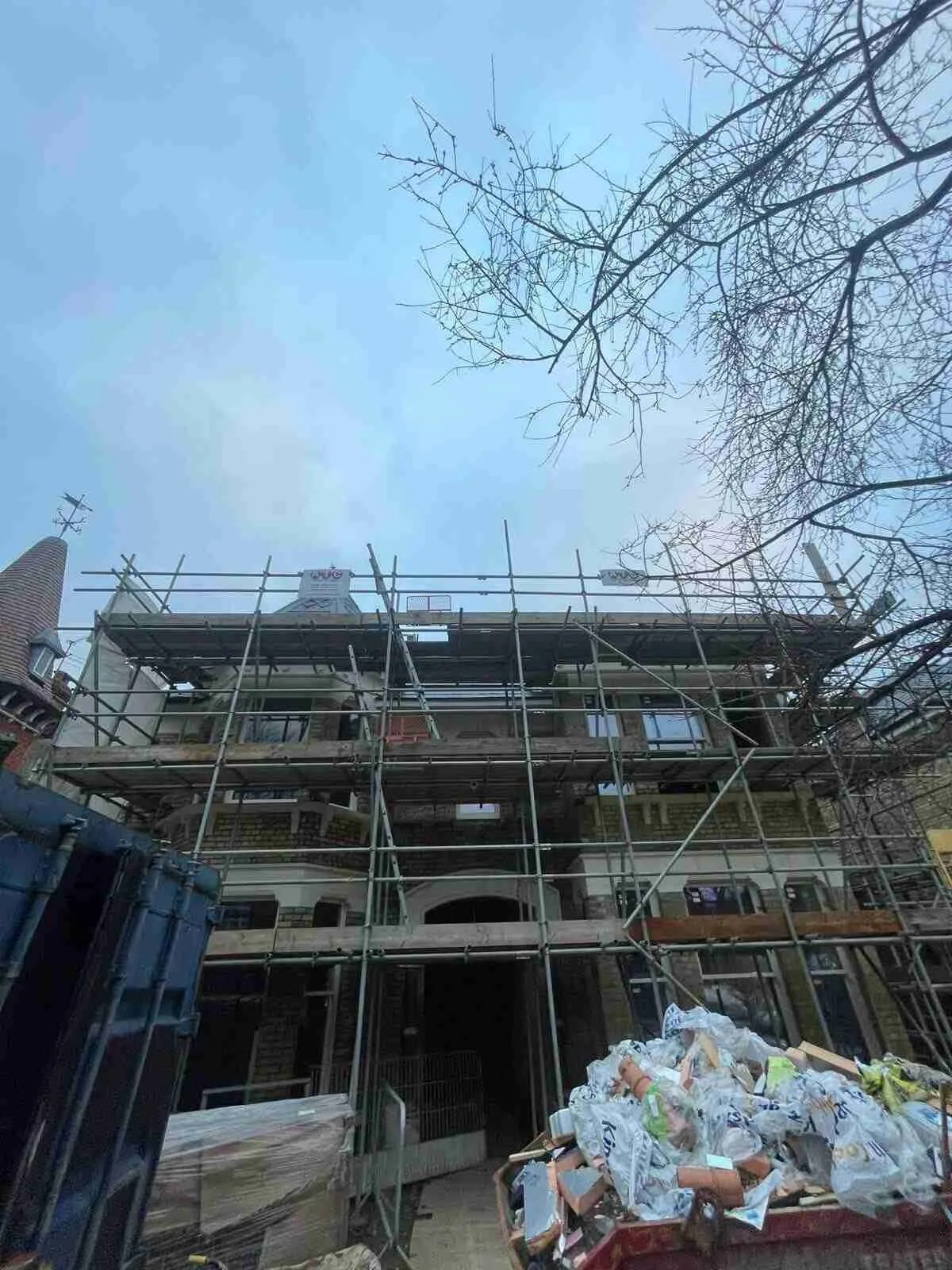 Scaffolding project 1
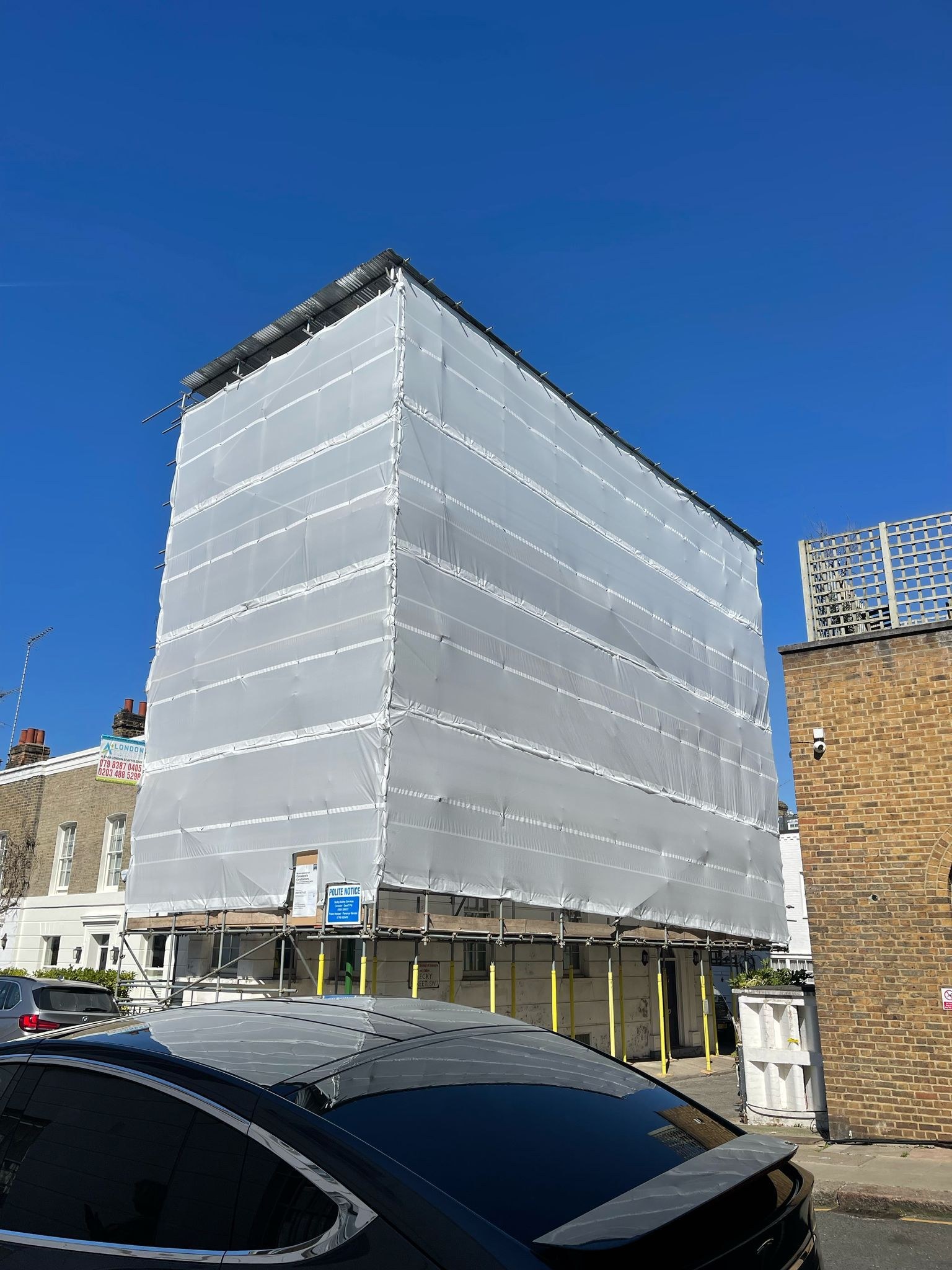 Scaffolding project 1
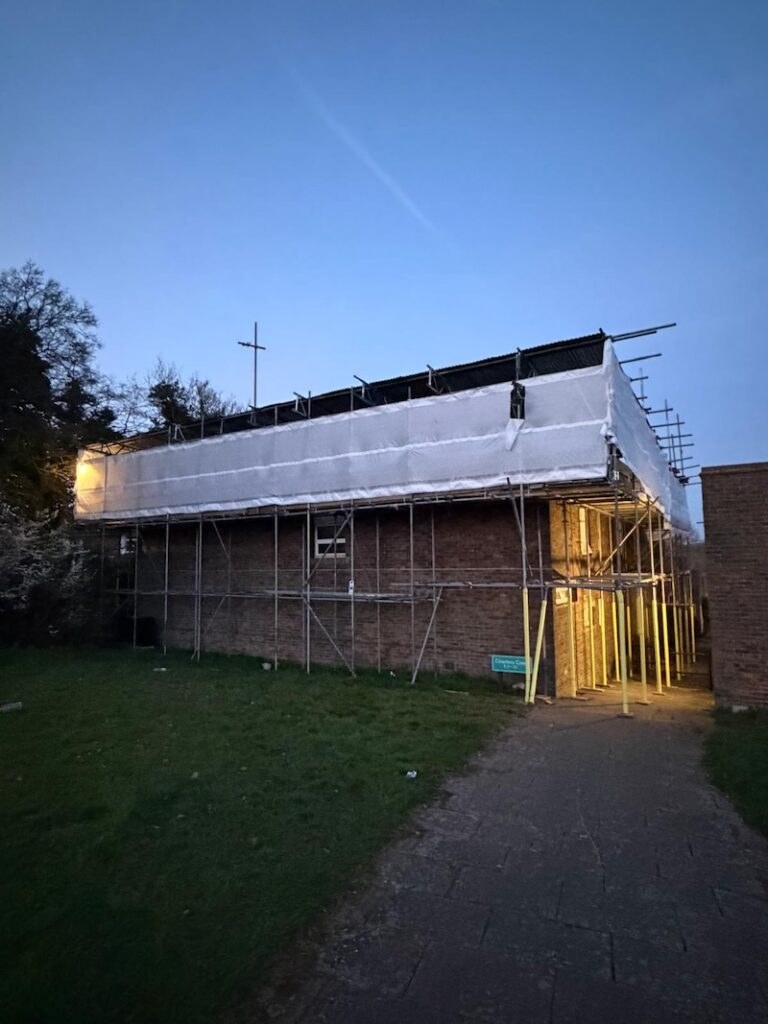 Scaffolding project 1
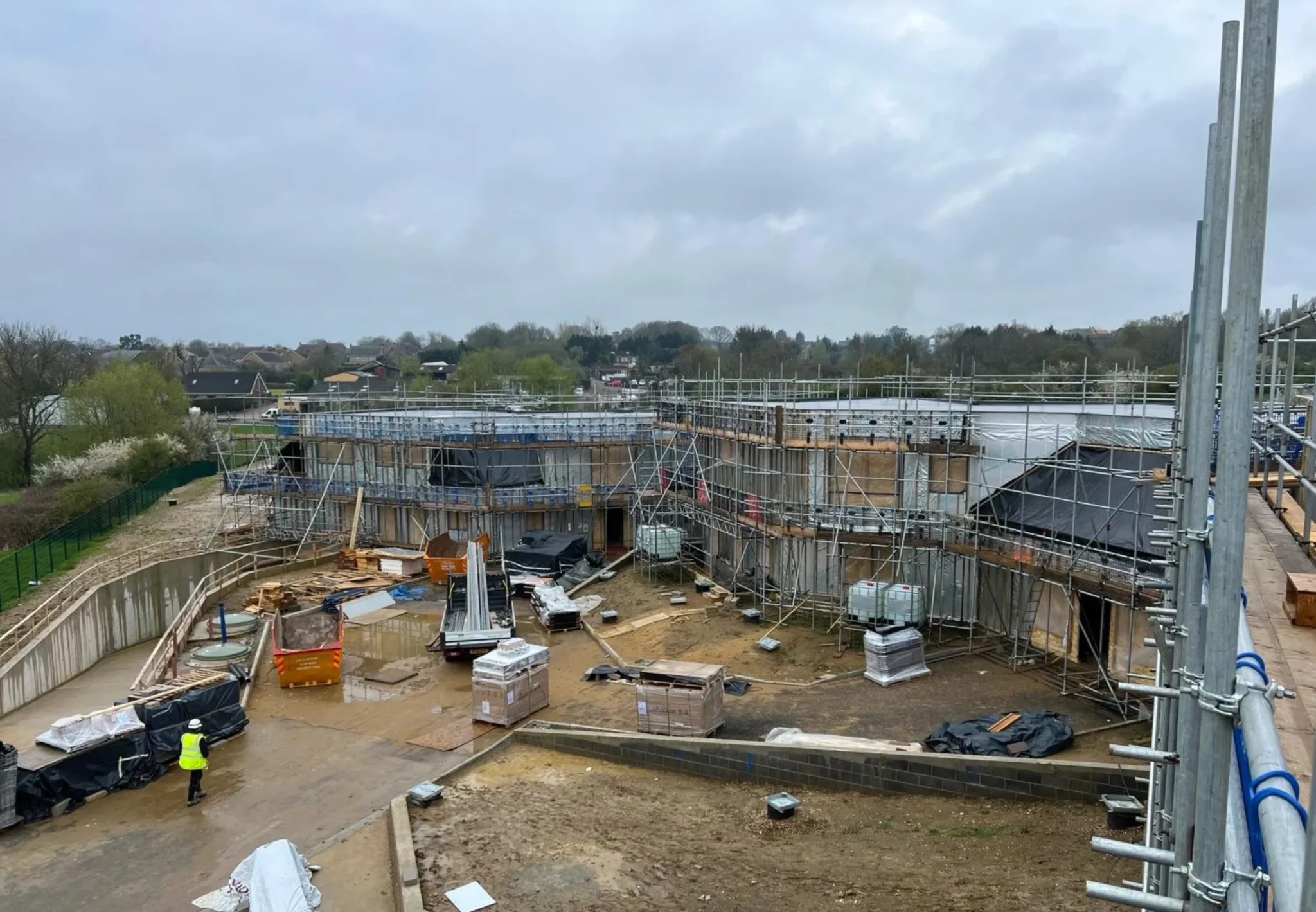 Scaffolding project 1
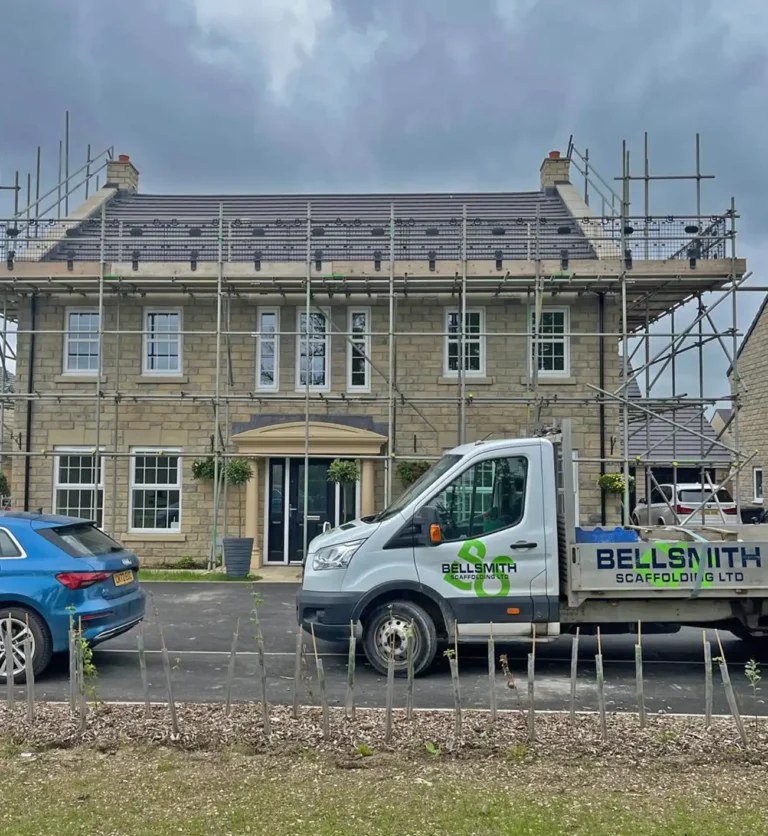 Scaffolding project 1
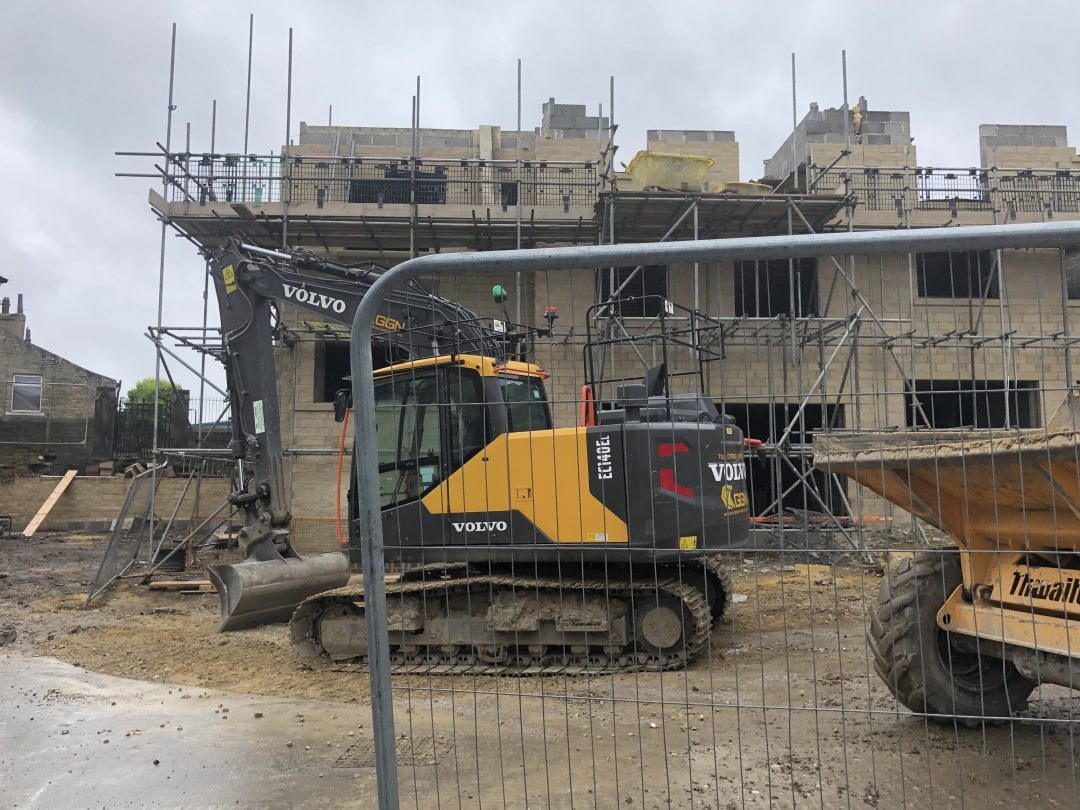 Scaffolding project 1
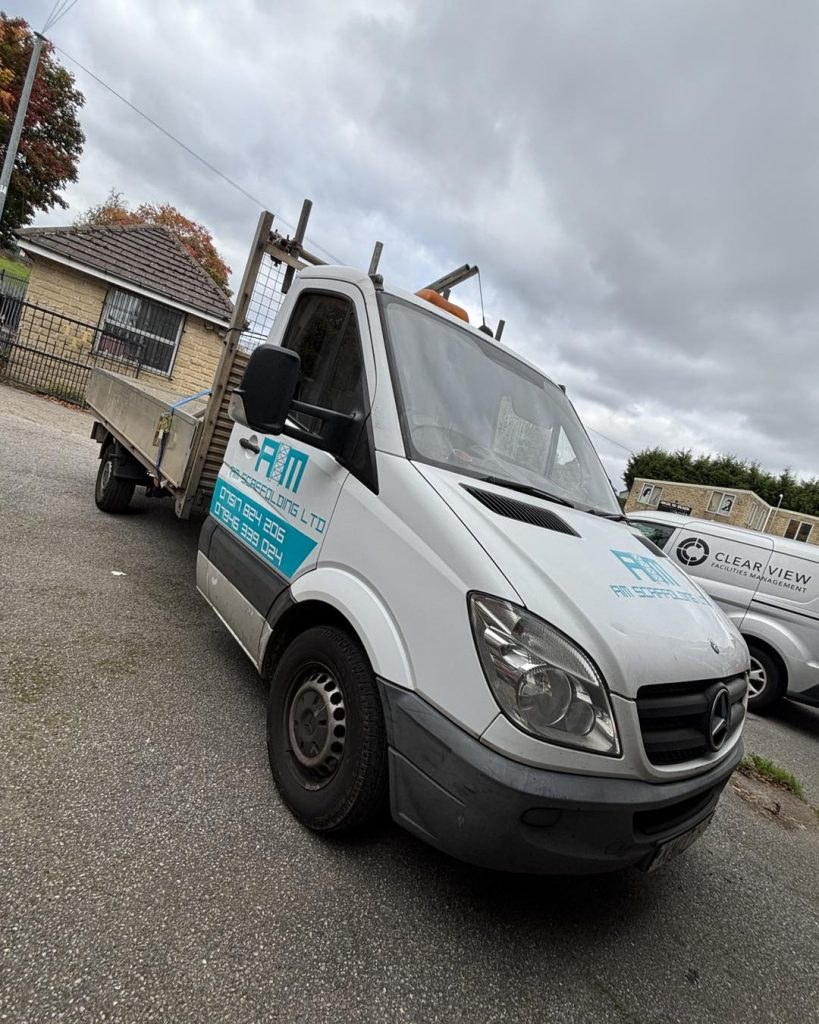 Scaffolding project 1