Cladding & façade services quotes
Cladding and façade services repair, replace, clean or install external wall coverings, including the supporting rails, insulation interfaces, flashings and seals. They are needed for cracked panels, water penetration, failed joints, poor thermal performance or a planned change of appearance, provided the underlying wall is assessed first.
What this covers
The work starts with examining the façade from ground level and, where needed, from access equipment. The contractor identifies damaged panels, open joints, failed sealant, corrosion, staining, movement, missing flashings and routes through which water may reach the wall construction. They may remove a sample section to inspect rails, brackets, insulation, sheathing, membranes and the substrate behind the visible finish.
A repair can involve replacing individual boards or panels, renewing fixings, resealing joints, correcting flashings, treating corrosion or making good damaged masonry. Larger projects remove the existing covering in controlled sections, protect exposed areas from rain, repair the backing structure, install replacement insulation or membranes where specified, and fit a new outer finish. Openings around windows, doors, vents, roof junctions and balconies receive particular attention because poorly formed transitions commonly admit water.
Cleaning, coating and repainting are narrower options. They may improve appearance when the cladding remains sound, but they do not correct movement, defective drainage or concealed rot. A proper scope therefore separates surface work from envelope repair and records what has been inspected rather than assuming the visible defect is the whole problem.
How the work is done
First, the contractor records the defect, the affected elevations and nearby details such as gutters, parapets, windows and roof junctions. They assess whether staining follows a joint, opening or drainage path, then decide whether close inspection, moisture checks or sample removal is justified.
Next, access is arranged using suitable equipment, with protection for entrances, vehicles, planting and occupied areas. The work zone is made safe before panels, trims, sealants or coatings are disturbed. Damaged sections are removed carefully so fixings, rails, membranes, insulation and sheathing can be examined rather than discarded without inspection.
The underlying fault is repaired in sequence: defective support components or substrate first, then membranes, insulation interfaces, flashings, seals and replacement panels. Openings and corners are checked for compatible profiles and movement allowances. Exposed areas are protected against weather while work progresses.
Finally, the contractor checks alignment, fixings, joint formation, drainage paths and visible finish. Waste is removed, access is dismantled and the customer receives a record of repaired areas, remaining limitations and recommended maintenance.
What affects the cost
The main cost drivers are the amount of façade opened, the material selected, access requirements and the condition of what sits behind the visible covering. A small panel repair may become a wider job if rails, brackets, insulation, sheathing or membranes are damaged. Matching discontinued profiles or bespoke trims can also increase fabrication and handling work.
Height, restricted ground access, fragile surrounding surfaces and the need to protect occupied entrances affect scaffolding, lifting and site protection. Roof edges, balconies and awkward elevations may require more complex access than a straightforward wall. Weather exposure, listed or character-sensitive detailing, colour matching, waste disposal and making-good add scope when they are included.
A useful quotation should identify investigation, removal, replacement materials, fixings, flashings, sealants, insulation interfaces, access, temporary weather protection, waste and final cleaning. It should also state exclusions, such as concealed structural repairs or internal redecoration, so the lowest headline figure is not mistaken for the lowest overall risk.
Before you hire
Job-specific competence shows in a survey that follows water paths and movement lines rather than stopping at the visible panel. Look for clear descriptions of rails, brackets, membranes, cavity drainage, flashings, window interfaces and substrate condition. A capable provider explains why repair, cleaning, coating or replacement is appropriate and records areas not opened.
Their method should cover safe access, temporary weather protection, compatible fixings, movement allowances and protection of occupied spaces. For a quotation, check that panel profiles, trims, sealants, insulation interfaces, waste and making-good are identified. Evidence of comparable façade build-ups is more useful than a generic claim of experience.
Recent work
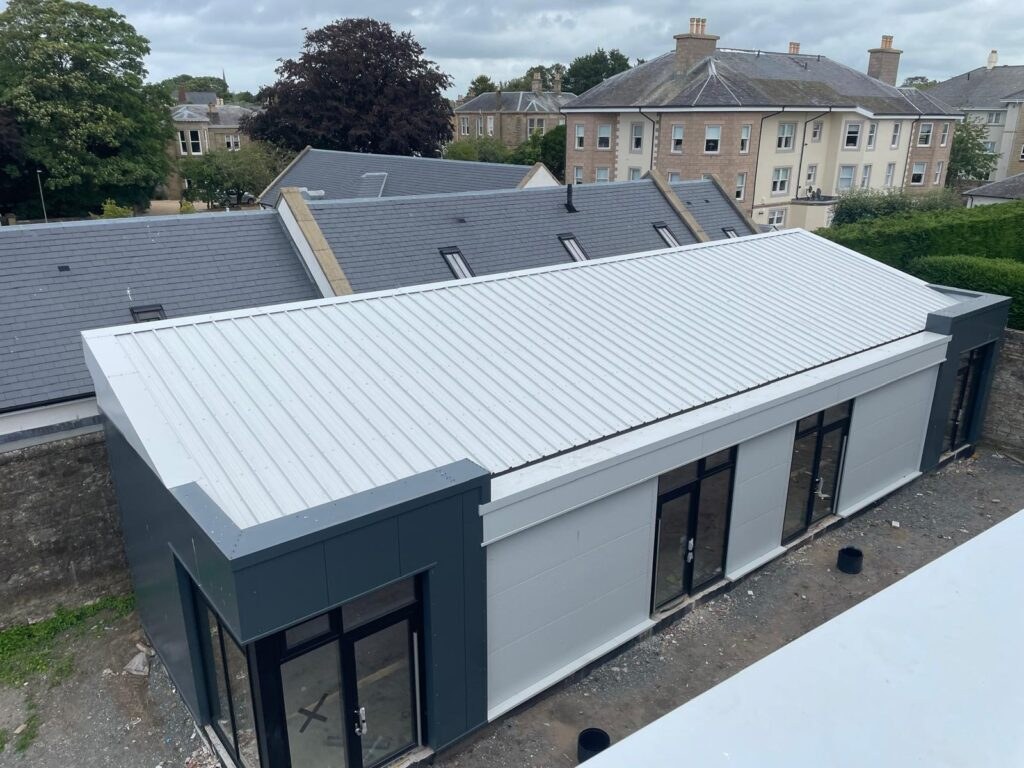 Cladding & façade services project 1
 Cladding & façade services project 1
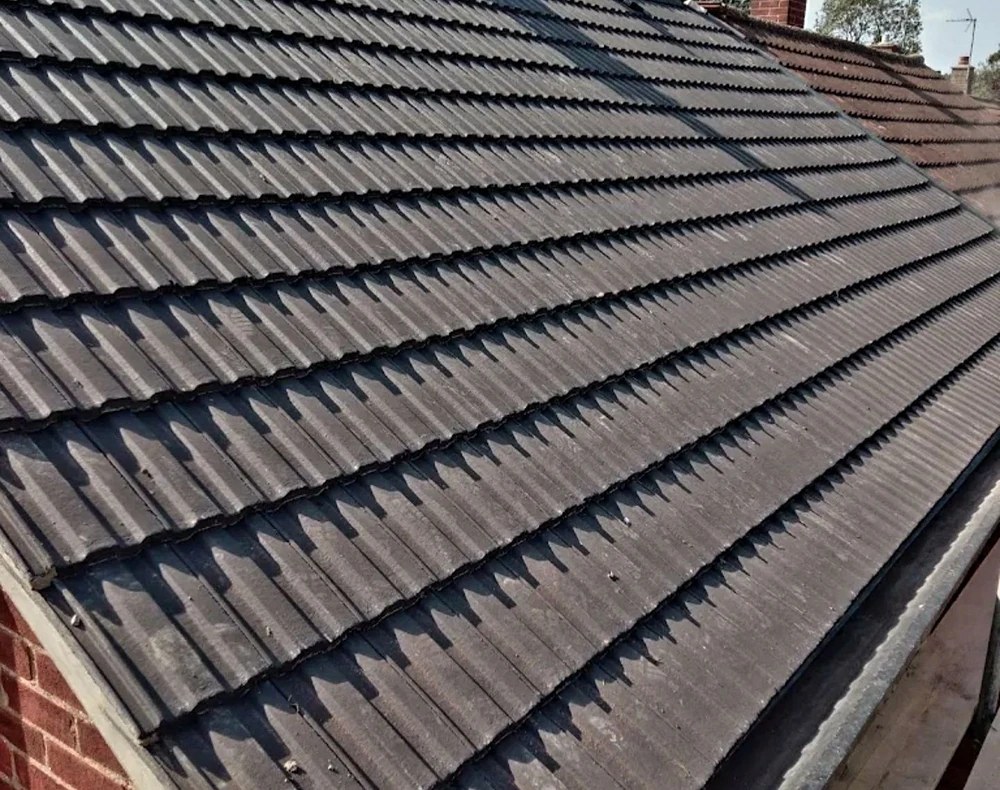 Cladding & façade services project 1
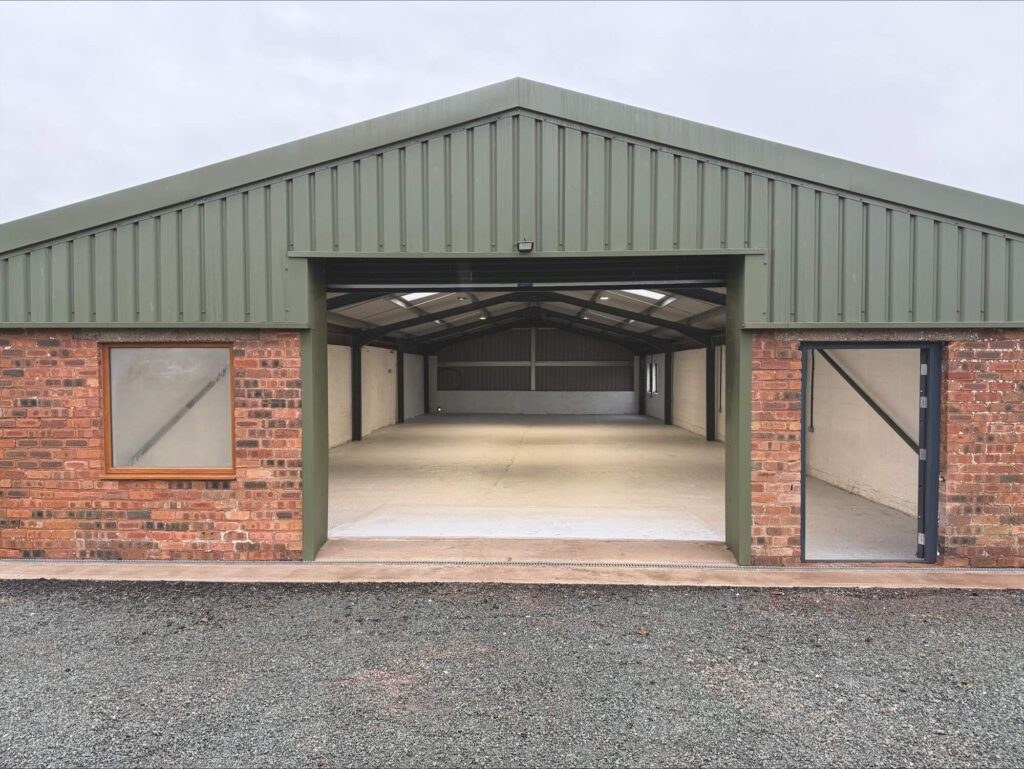 Cladding & façade services project 1
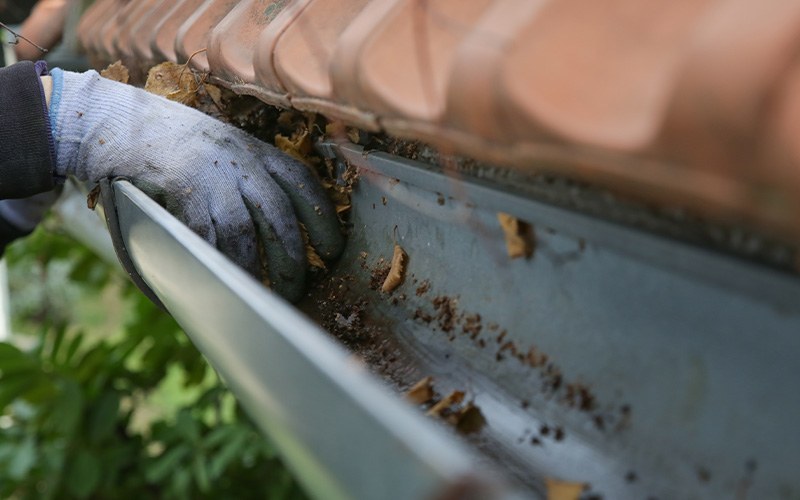 Cladding & façade services project 1
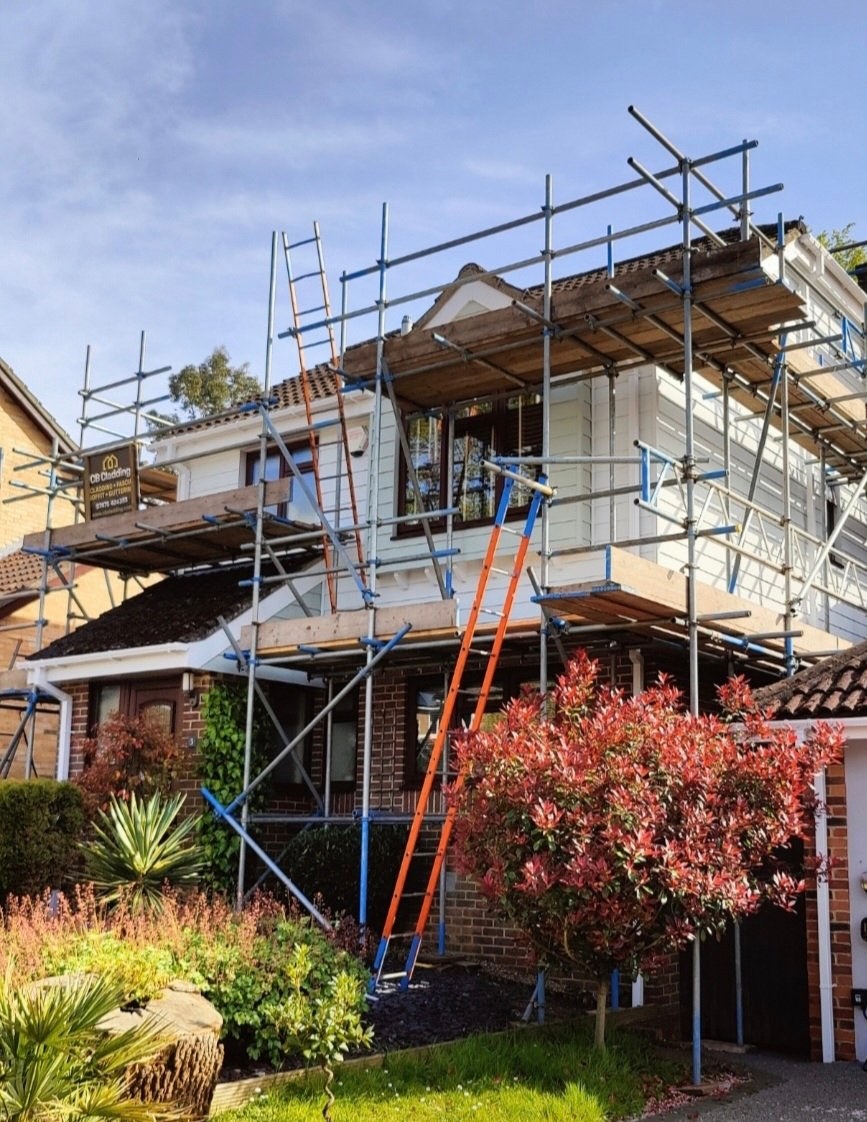 Cladding & façade services project 1
 Cladding & façade services project 1
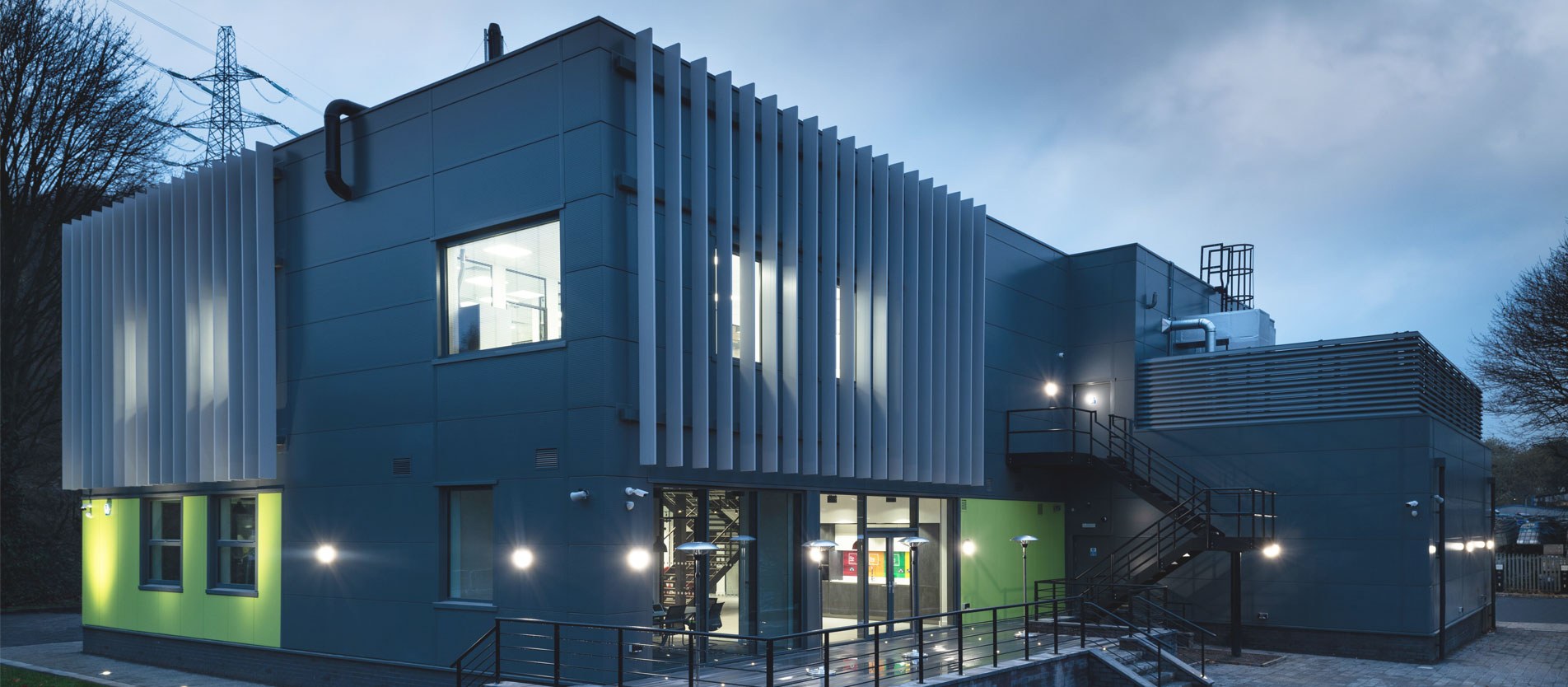 Cladding & façade services project 1
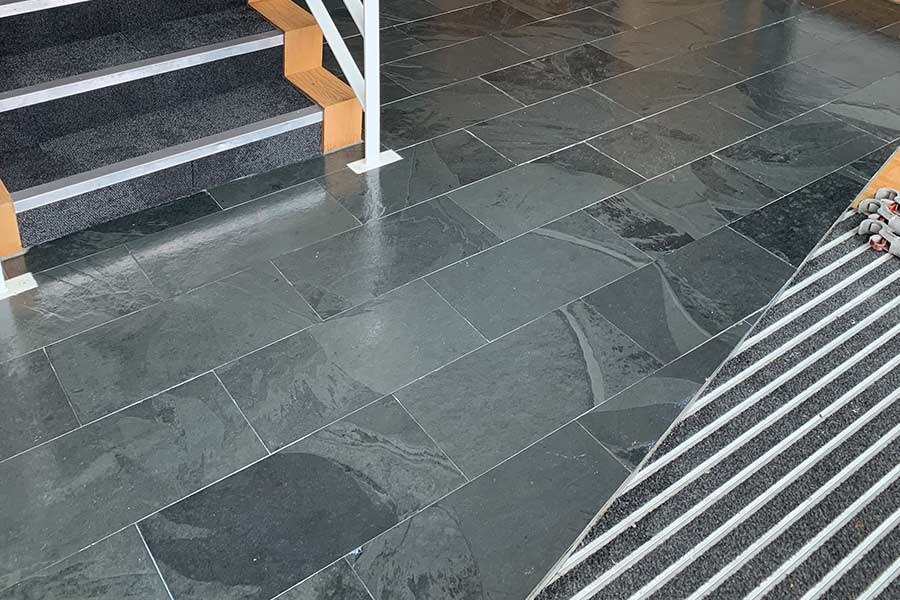 Cladding & façade services project 1
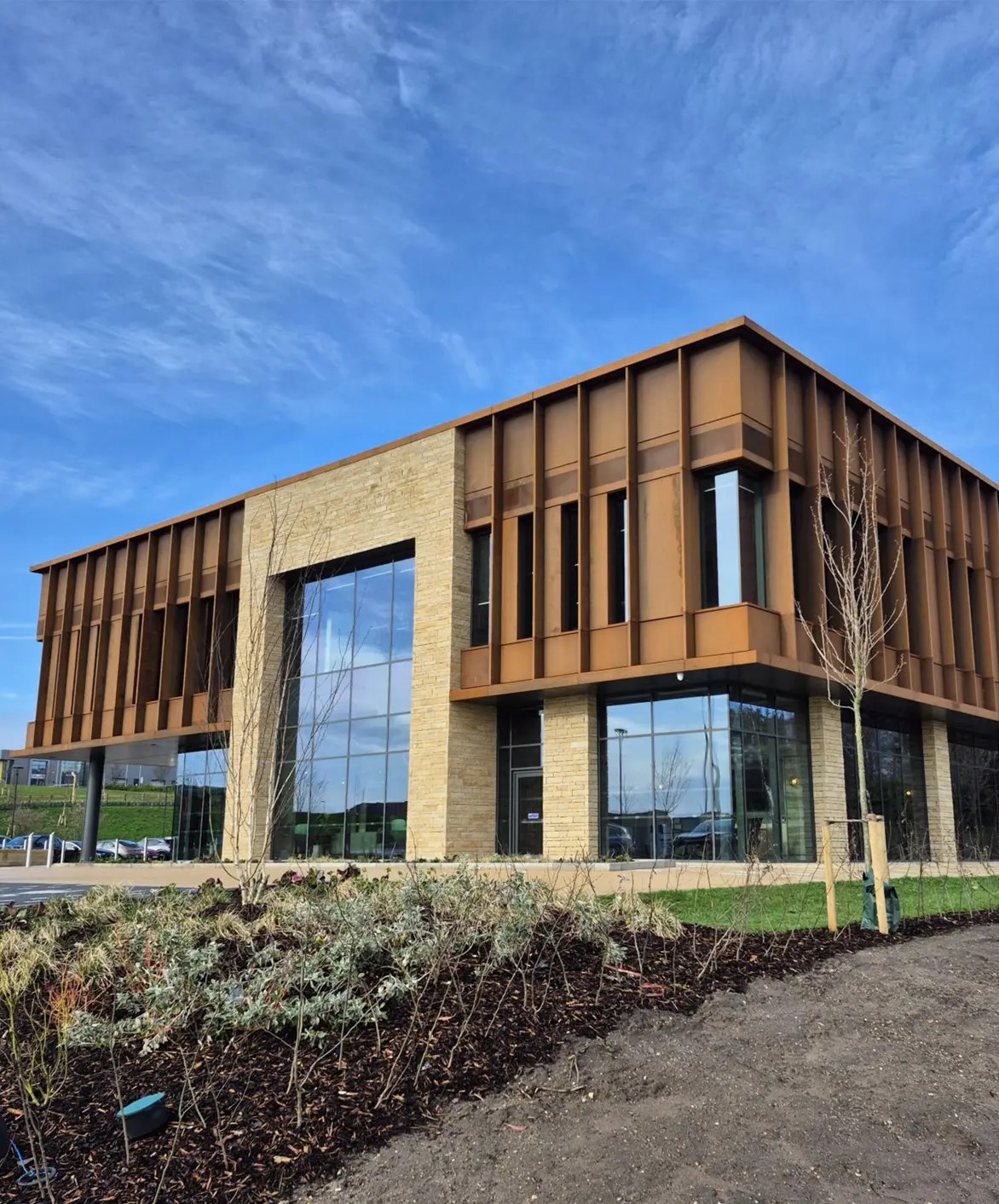 Cladding & façade services project 1
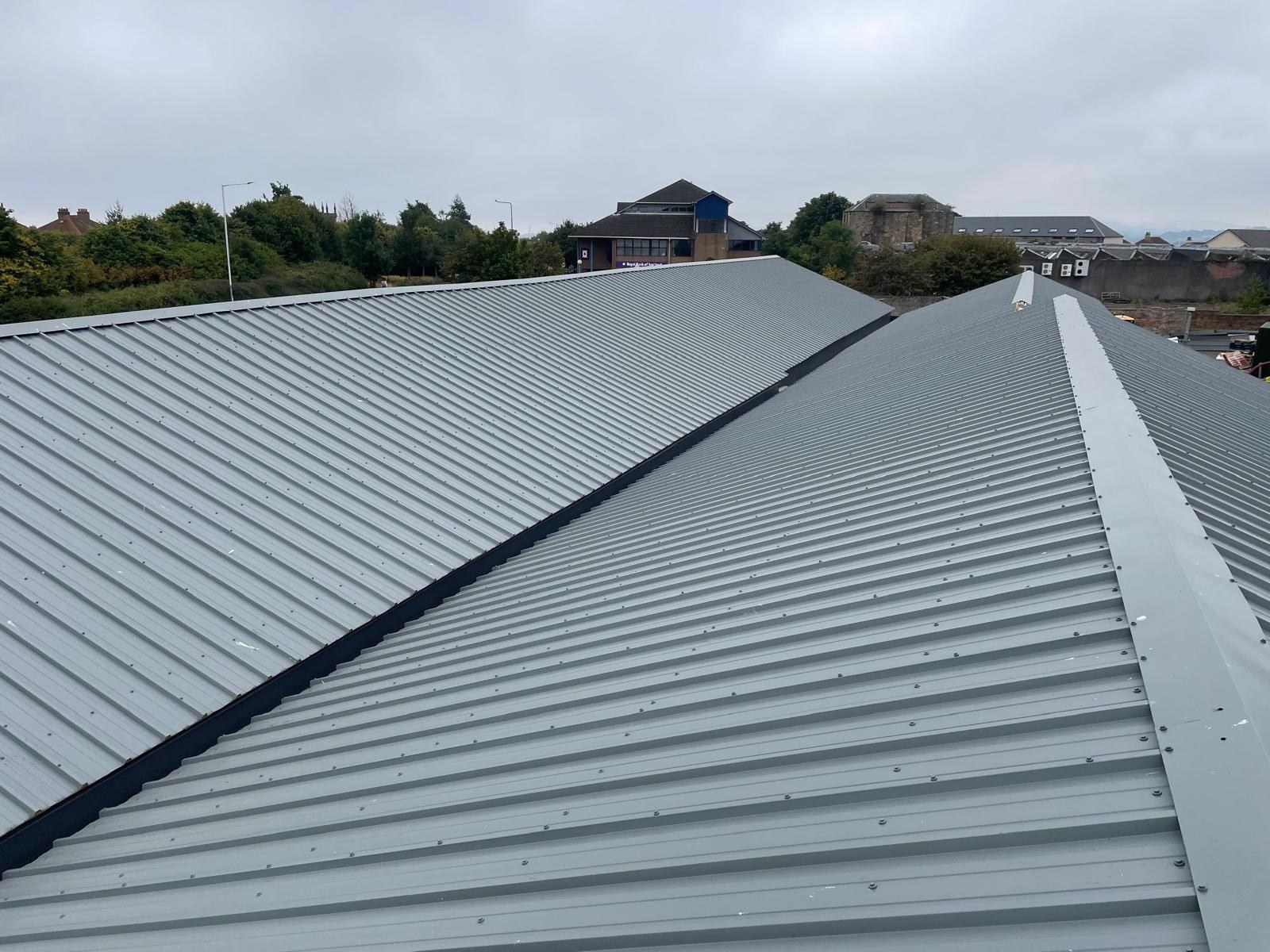 Cladding & façade services project 2
 Cladding & façade services project 2
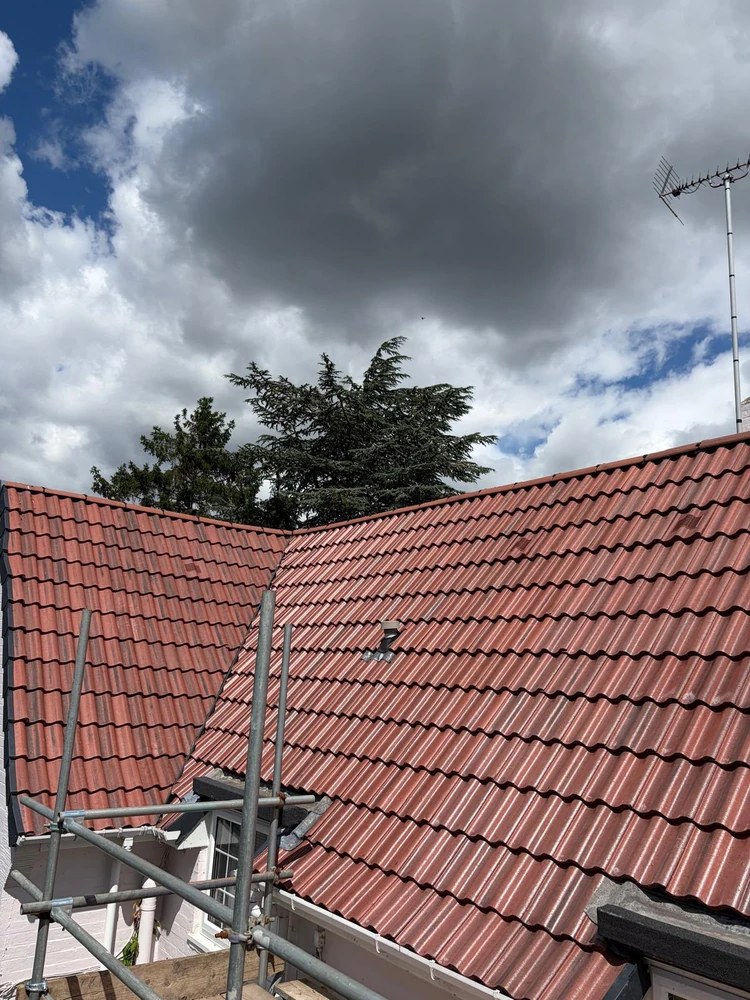 Cladding & façade services project 2
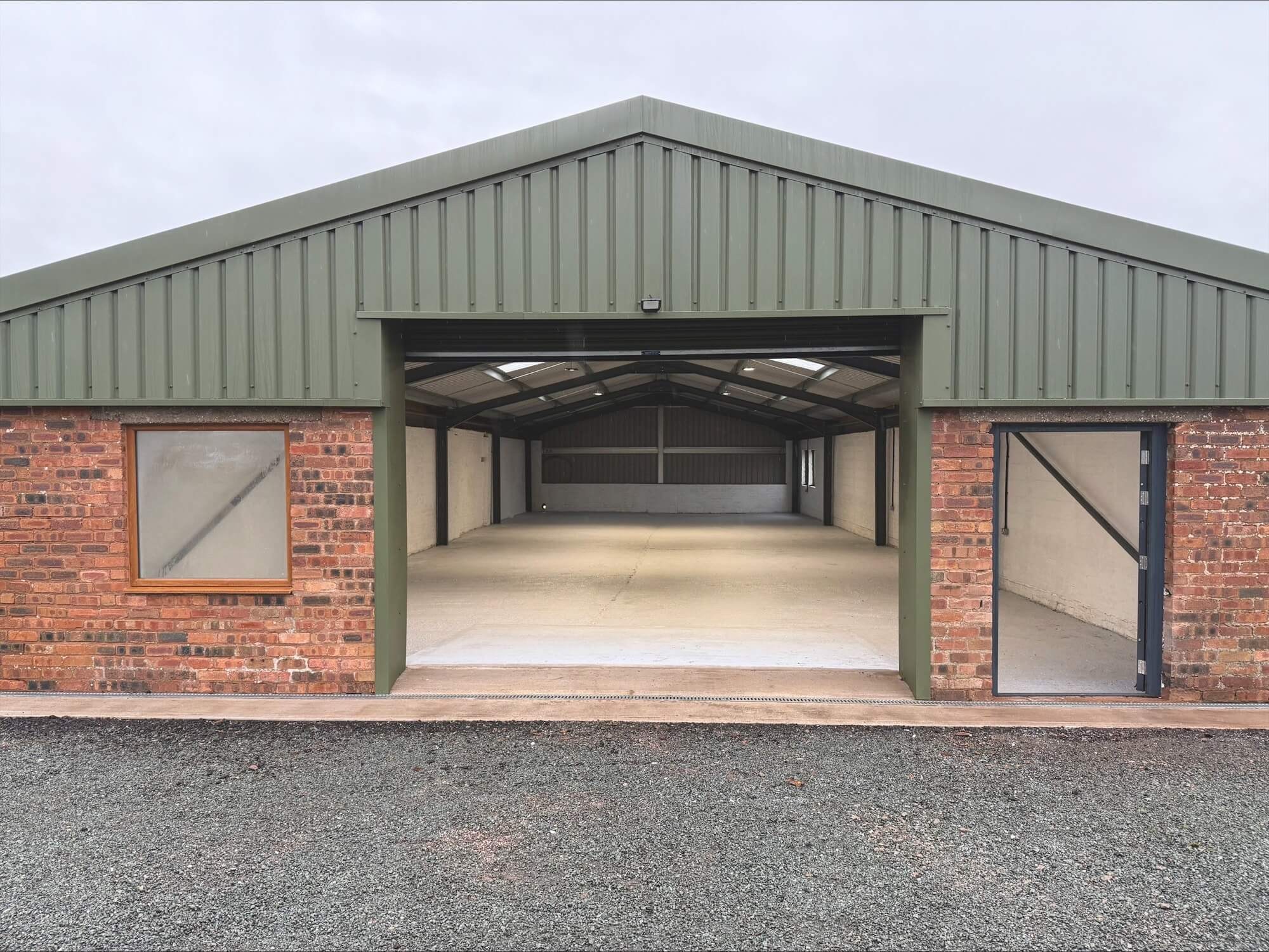 Cladding & façade services project 2
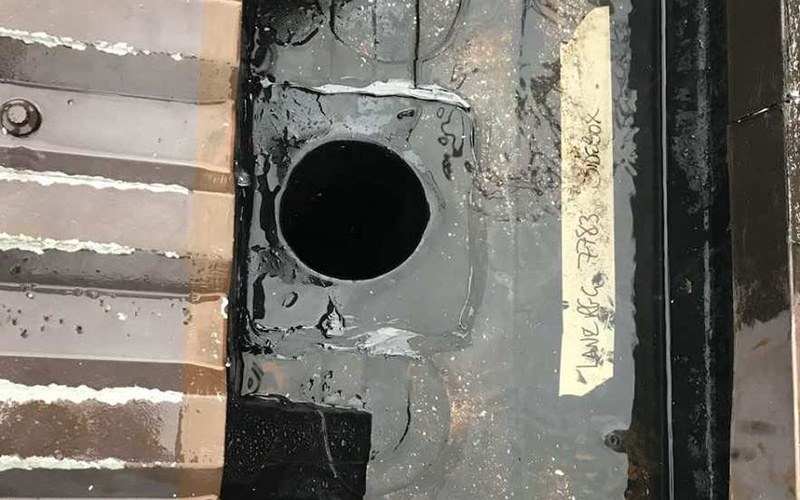 Cladding & façade services project 2
 Cladding & façade services project 2