Chimneys quotes
Chimney work is needed when cracked mortar, damaged pots, loose flashing or damp around the stack threatens the roof or building. A specialist may repoint joints, renew flashing, replace masonry, fit a cowl or remove an unsafe section, depending on the defect, access and chimney construction.
What this covers
The job starts with examining the stack from ground level, within the loft and from the roof, looking for open joints, fractured bricks, failed render, displaced pots, defective flaunching, loose mortar and gaps where flashing meets the covering. Safe access is then arranged, often using scaffolding or another suitable working platform rather than relying on ladders for prolonged masonry work.
The physical repair may include removing unstable material, raking out failed mortar to a controlled depth, repointing with mortar compatible with the existing masonry, replacing damaged bricks or stone, rebuilding a section, and renewing lead soakers, step flashing or back gutters. A chimney pot or cowl may be refixed or replaced, but unused flues need careful treatment rather than an improvised cap. If the stack is removed, the opening must be weathered correctly and the roof covering made good. The scope should also identify internal damp, flue safety and any adjoining roof damage so that a cosmetic external repair does not conceal a continuing cause.
How the work is done
First, the operative records the stack's condition from accessible viewpoints and checks the loft and rooms below for staining, salts, damaged plaster or signs of condensation. They identify whether the issue is masonry, flashing, flaunching, a pot, a flue or a wider roof junction.
Next, the working area is planned. Scaffolding, edge protection and protection for the roof and surrounding property may be needed, with arrangements for falling debris, materials and waste. Loose pieces are removed before sound masonry is exposed.
The repair then follows the diagnosis: joints are raked out and repointed, damaged units are replaced, unstable sections are rebuilt, flashing is renewed or dressed correctly, and pots, terminals or cowls are secured. The operative should protect open flues and prevent debris entering them.
Finally, the stack and roof junction are checked for gaps, movement and water-shedding details. Debris is removed, disturbed roof coverings are made good, and photographs or notes should explain what was repaired, what remains and any maintenance required.
What affects the cost
The main cost drivers are access, defect extent and the materials needed to make the repair durable. A low roof with clear working space may need less access equipment than a tall, steep or obstructed elevation. Scaffolding, a chimney cradle, protection for conservatories and arrangements for public or neighbouring property can materially alter the scope.
Masonry condition also matters: isolated repointing is different from rebuilding a stack, replacing several courses or dismantling an unsafe section. Lead flashing, specialist stonework, matching reclaimed bricks, bespoke pots and listed-building considerations can add preparation and labour. Removing waste, protecting the roof, temporary weatherproofing and making good internally should be identified separately or included clearly.
Ask whether the quote covers inspection, access, materials, flue protection, photographs, waste disposal and final weatherproofing. Storm damage may have different claim implications from gradual wear, so retain photographs and ask the insurer before authorising work if an insurance claim could be relevant.
Before you hire
For this work, competence is shown by diagnosis rather than a polished finish. The operative should distinguish open pointing from structural movement, identify the flue arrangement, explain why a mortar is compatible with the masonry and show how flashing will shed water. They should plan safe access and debris control under relevant CDM duties, rather than treating a chimney as ladder-only work. For major roofing work, membership of NFRC or a CompetentRoofer route may provide useful trade context, but the quotation should still name the actual chimney repairs, materials, access and any insurance-backed guarantee offered.
Recent work
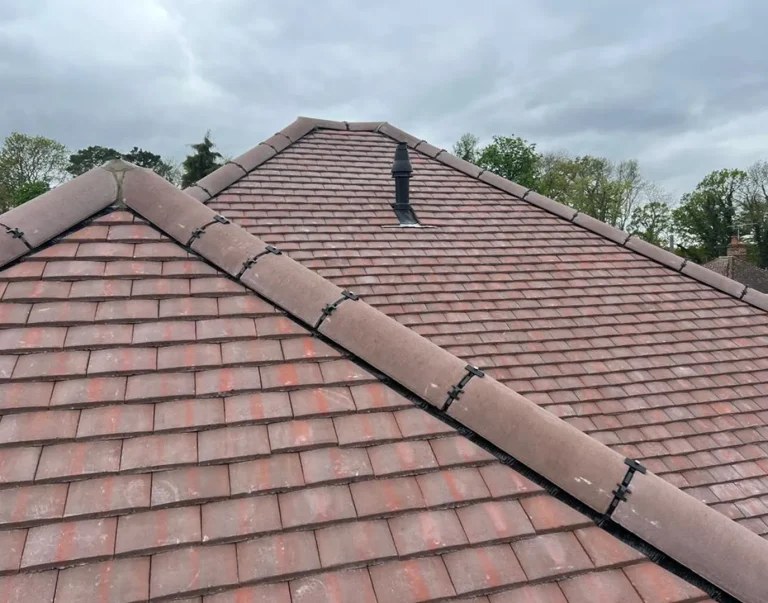 Roof repairs project 1
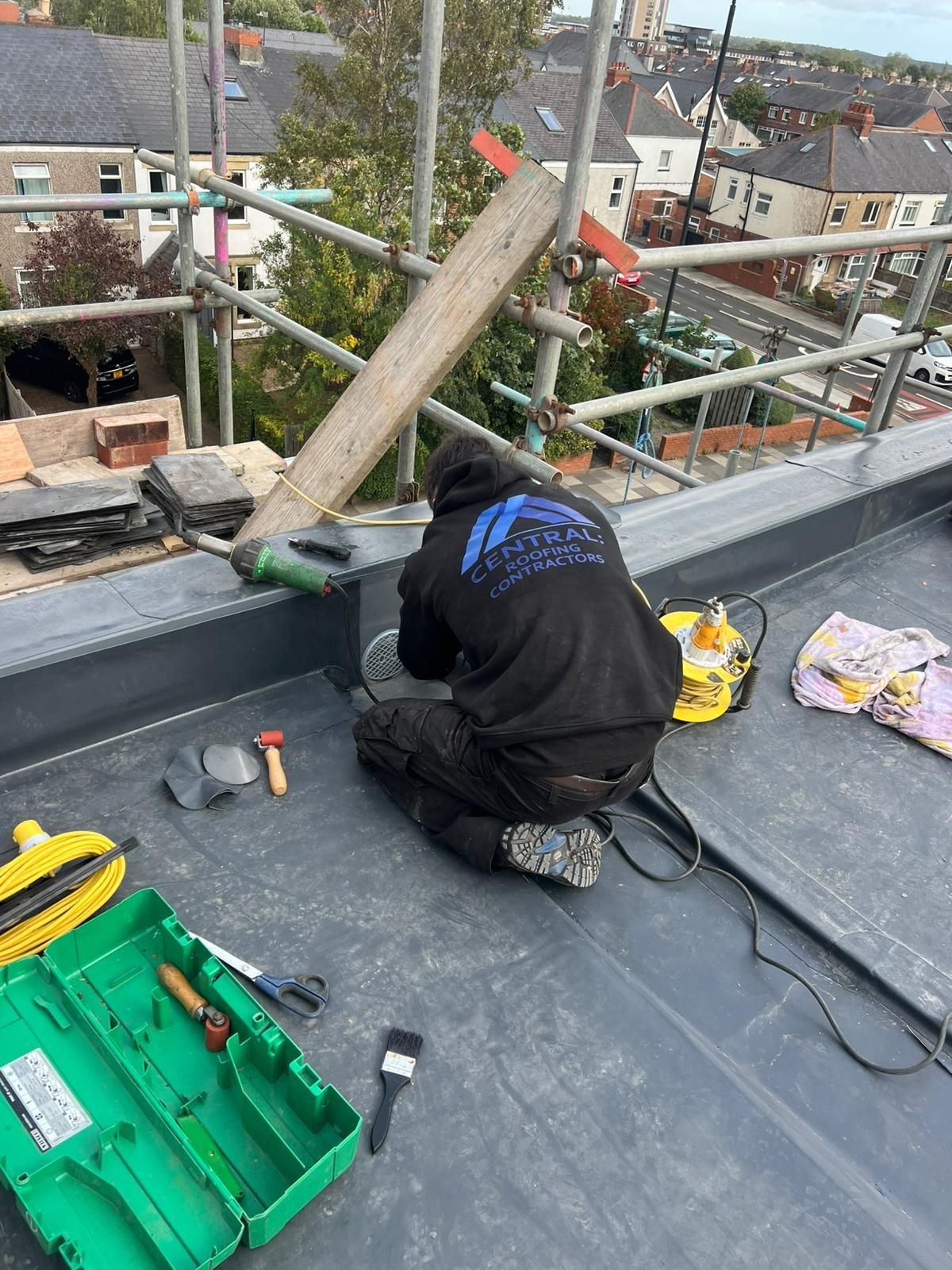 Roof repairs project 1
 Roof repairs project 1
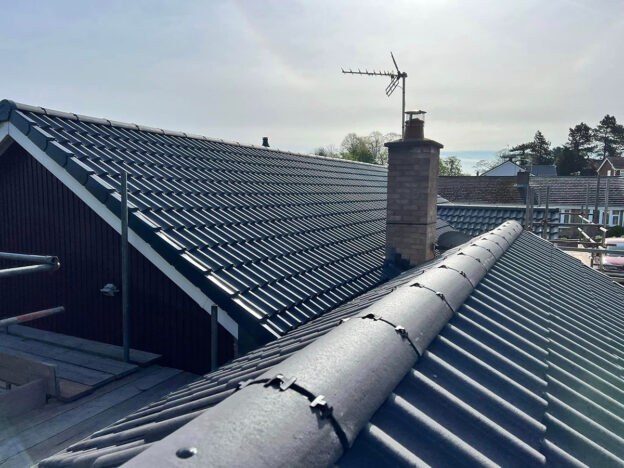 Roof repairs project 1
 Roof repairs project 1
 Roof repairs project 1
 Roof repairs project 1
 Roof repairs project 1
 Roof repairs project 1
 Roof repairs project 1
 Roof repairs project 1
 Roof repairs project 1
 Roof repairs project 1
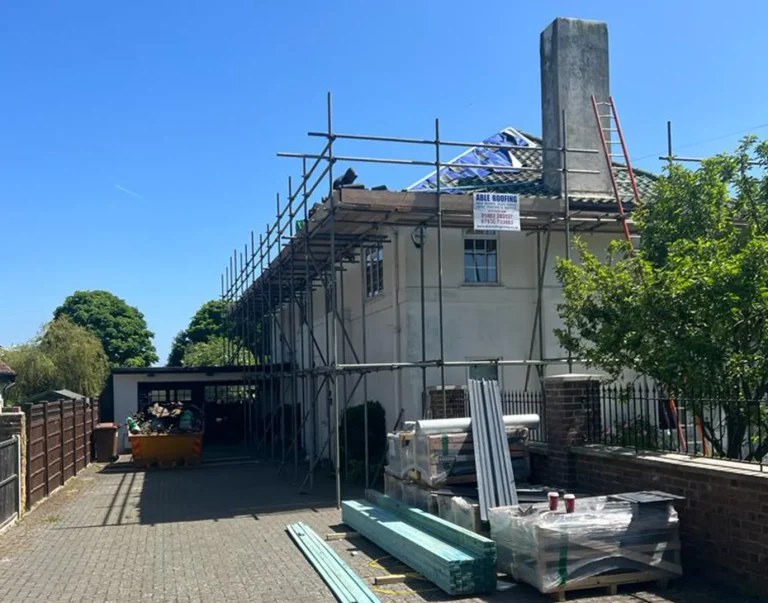 Roof repairs project 2
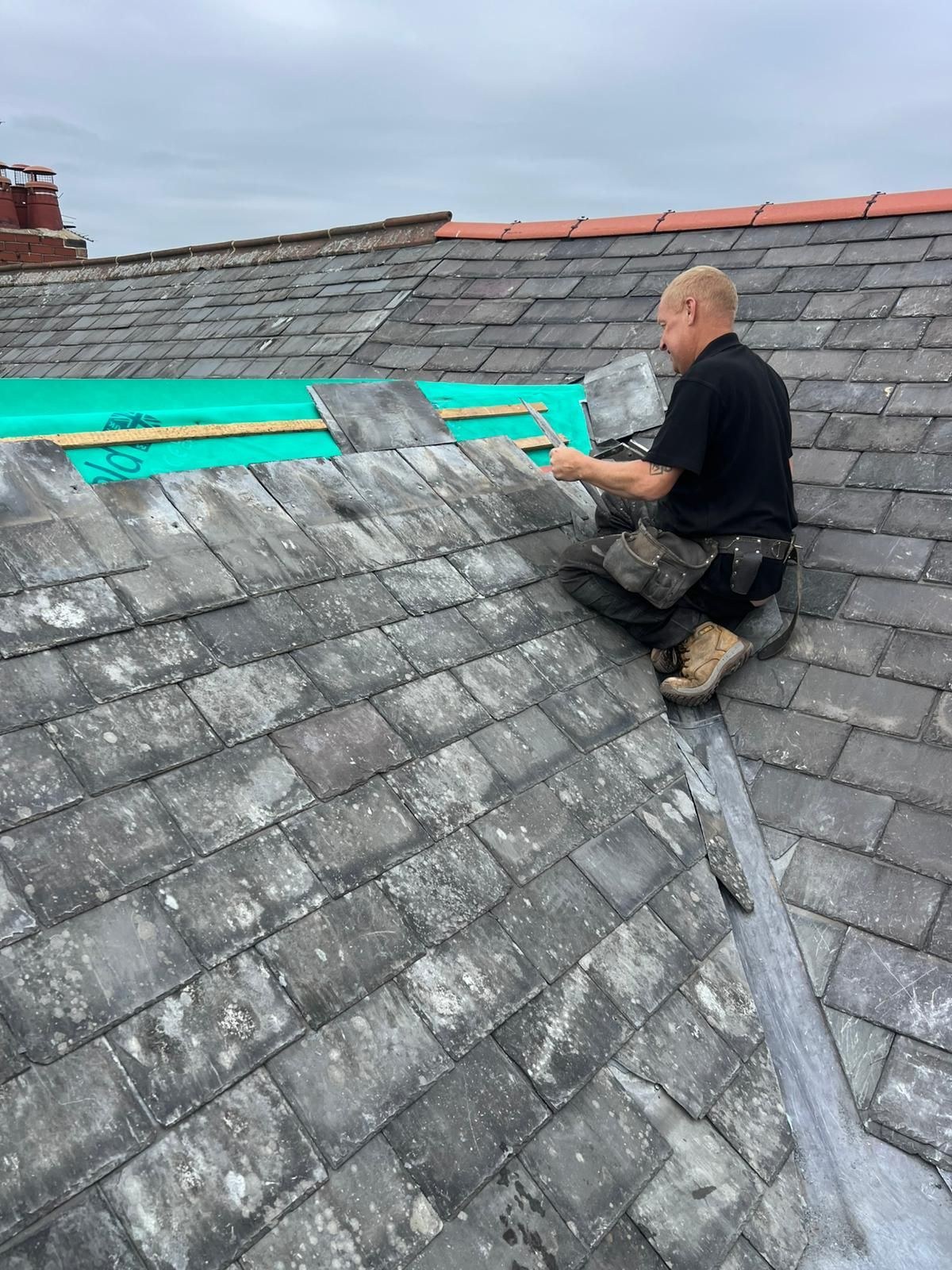 Roof repairs project 2
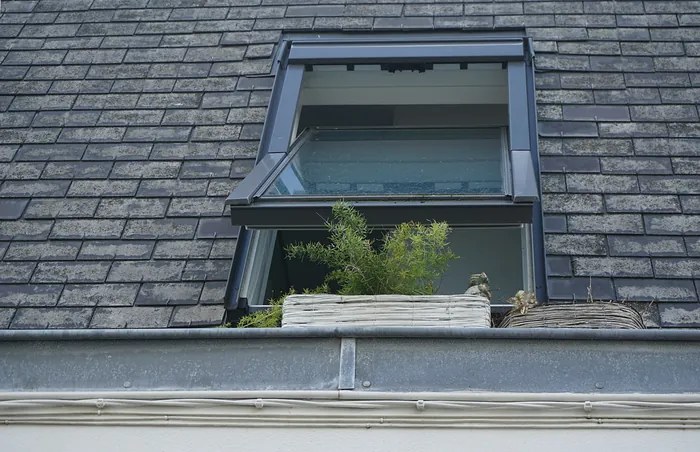 Roof repairs project 2