Carpet cleaning quotes
Book carpet cleaning when embedded soil, visible staining, odours or allergy-irritating dust remain after vacuuming. A professional typically inspects the fibres and backing, removes loose soil, treats stains, applies a suitable cleaning method, extracts or absorbs moisture, and checks drying requirements before the carpet is returned to use.
What this covers
The work starts with identifying the carpet fibre, construction, backing and visible risks such as loose seams, worn areas, colour transfer or dampness. The cleaner then moves or protects suitable furniture, vacuums thoroughly and tests an inconspicuous area for dye bleeding, shrinkage and texture change. Appropriate pre-treatment is applied to loosen oily soil, tracked-in grit or specific stains without assuming every mark can be removed.
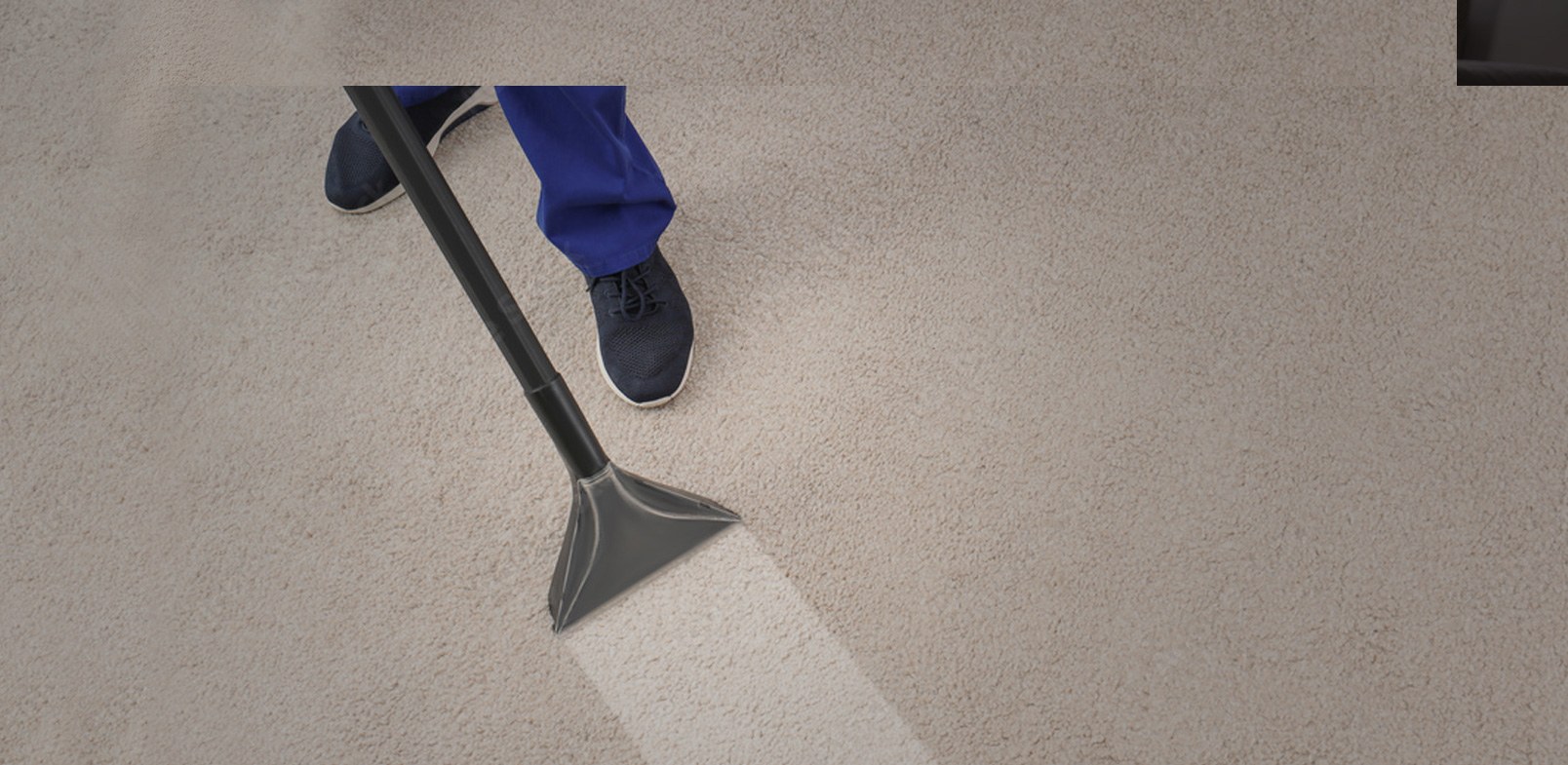
The main clean may involve hot-water extraction, low-moisture encapsulation, dry compound cleaning or a combination selected for the carpet and building. Agitation helps distribute treatment through the pile; extraction or absorbent material then removes loosened soil. Edges, stairs, entrances and heavily used lanes often need separate attention because they hold more contamination than open areas.
The final stage checks for remaining marks, pile distortion and excess moisture. Furniture may need protective tabs, ventilation or delayed replacement. Cleaning improves hygiene and appearance, but it cannot restore fibre permanently damaged by bleaching, burns, wear, delamination or unresolved damp.
How the work is done
First, the cleaner discusses the problem, checks the carpet's age and use, and inspects fibres, backing, joins, stains, odours and furniture access. Photographs or notes may record existing damage so cleaning results are not confused with pre-existing wear.
Next, movable items are cleared or protected, and the carpet is vacuumed slowly to remove dry soil. Spot treatments are chosen for the contaminant and tested in a discreet area. Agitation may loosen traffic-lane soil, while delicate pile or unstable dye may require a gentler approach.
The selected method is then applied. Hot-water extraction flushes and recovers loosened contamination; low-moisture or dry systems use less water and may suit restricted ventilation or sensitive construction. Stairs, edges and concentrated stains receive controlled attention rather than identical treatment.
Finally, the cleaner checks the surface, removes or collects remaining residues, resets the pile where appropriate and explains drying, ventilation, furniture replacement and stain prevention. The room should not be treated as finished until the customer understands any marks or odours that may remain.
What affects the cost
The quotation is driven by the carpet area, number of rooms, stairs, soil loading and the amount of stain treatment required. A large open room may be simpler than a smaller property with narrow stairs, heavily tracked entrances, awkward furniture or several isolated contamination points.
Fibre and construction affect preparation time, chemical choice, testing and drying control. Wool, viscose, hand-finished carpets and unstable dyes may require slower work and a restricted method. Access also matters: parking distance, upper floors, limited water supply, poor ventilation and furniture that cannot be moved can increase labour or alter the process.
Check whether the price includes inspection, vacuuming, pre-treatment, agitation, extraction or compound recovery, stair cleaning, furniture movement, stain work, deodorising, VAT and return visits. Ask how existing damage, permanent dye loss, pet contamination and unresolved damp are treated. A low headline figure may exclude the work that determines the final result, so compare the described scope rather than the label alone.
Before you hire
Useful job-specific evidence includes a clear pre-test of fibres and dyes, an explanation of moisture limits, and photographs or notes of existing stains and damage. The cleaner should distinguish removable soil from permanent bleaching, wear, burns, pile loss and damp-related staining.
Ask which method and chemistry are proposed for the actual carpet, how dirty recovery water or dry compound will be removed, and what drying controls are available. Competence is also shown by explaining furniture handling, stain limitations, ventilation and what happens if an odour returns, rather than guaranteeing an identical result for every material.
Recent work
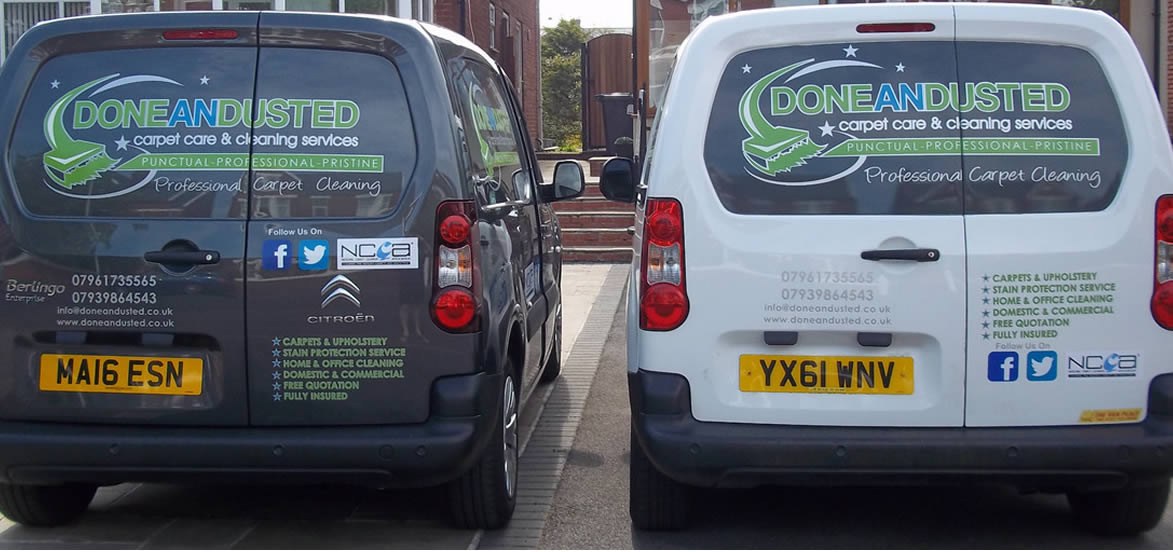 Carpet & upholstery cleaning project 1
 Carpet & upholstery cleaning project 1
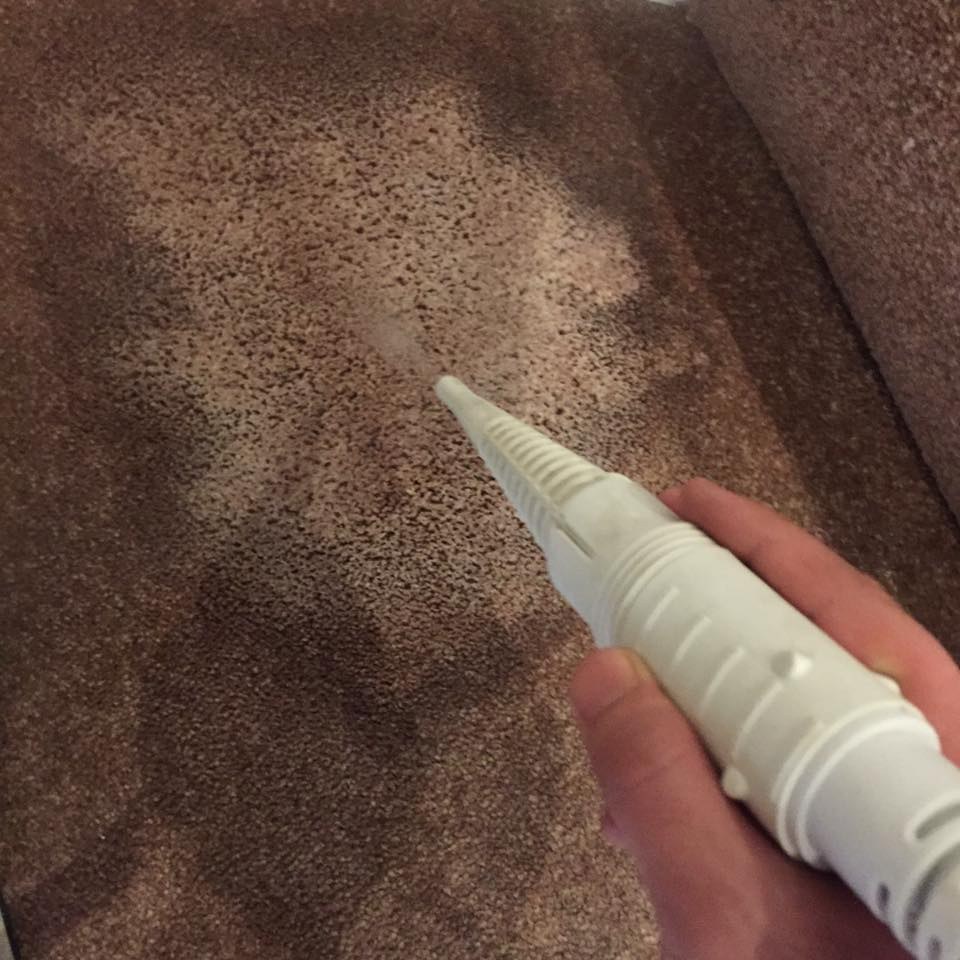 Carpet & upholstery cleaning project 1
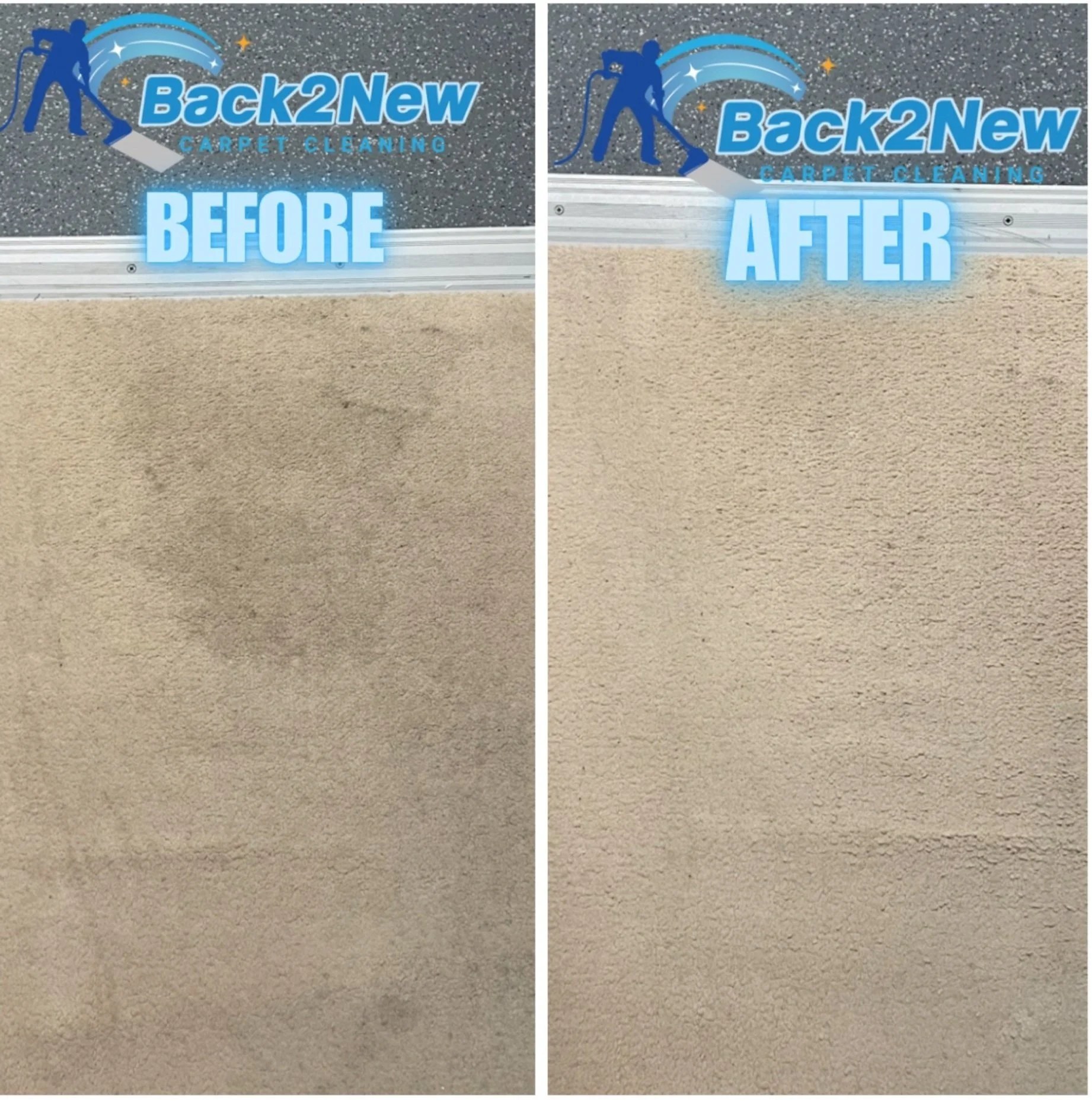 Carpet & upholstery cleaning project 1
 Carpet & upholstery cleaning project 1
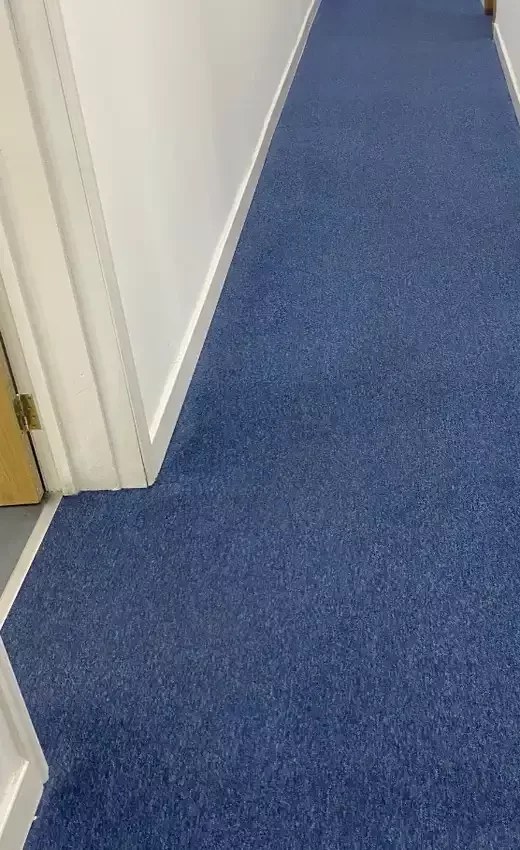 Carpet & upholstery cleaning project 1
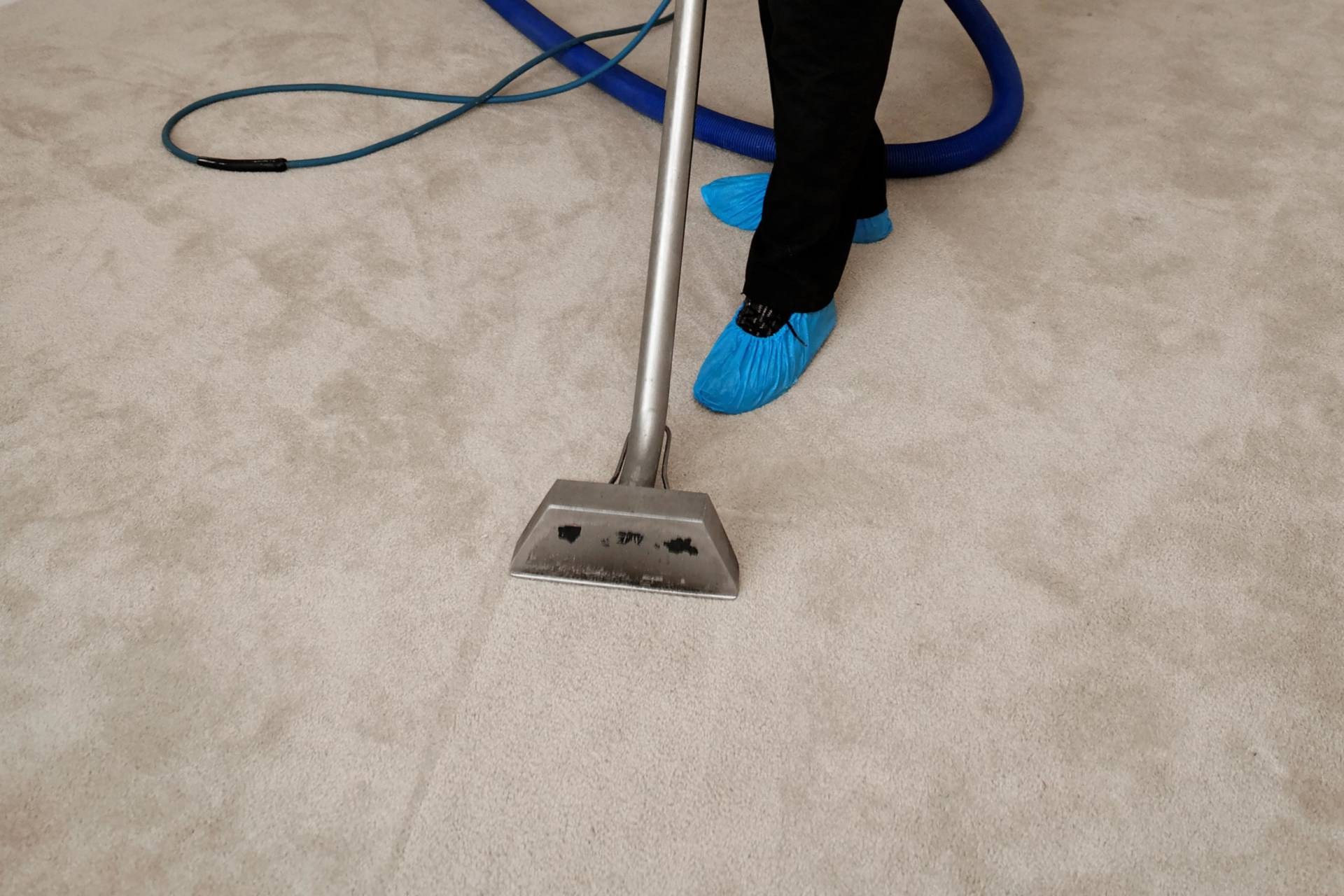 Carpet & upholstery cleaning project 1
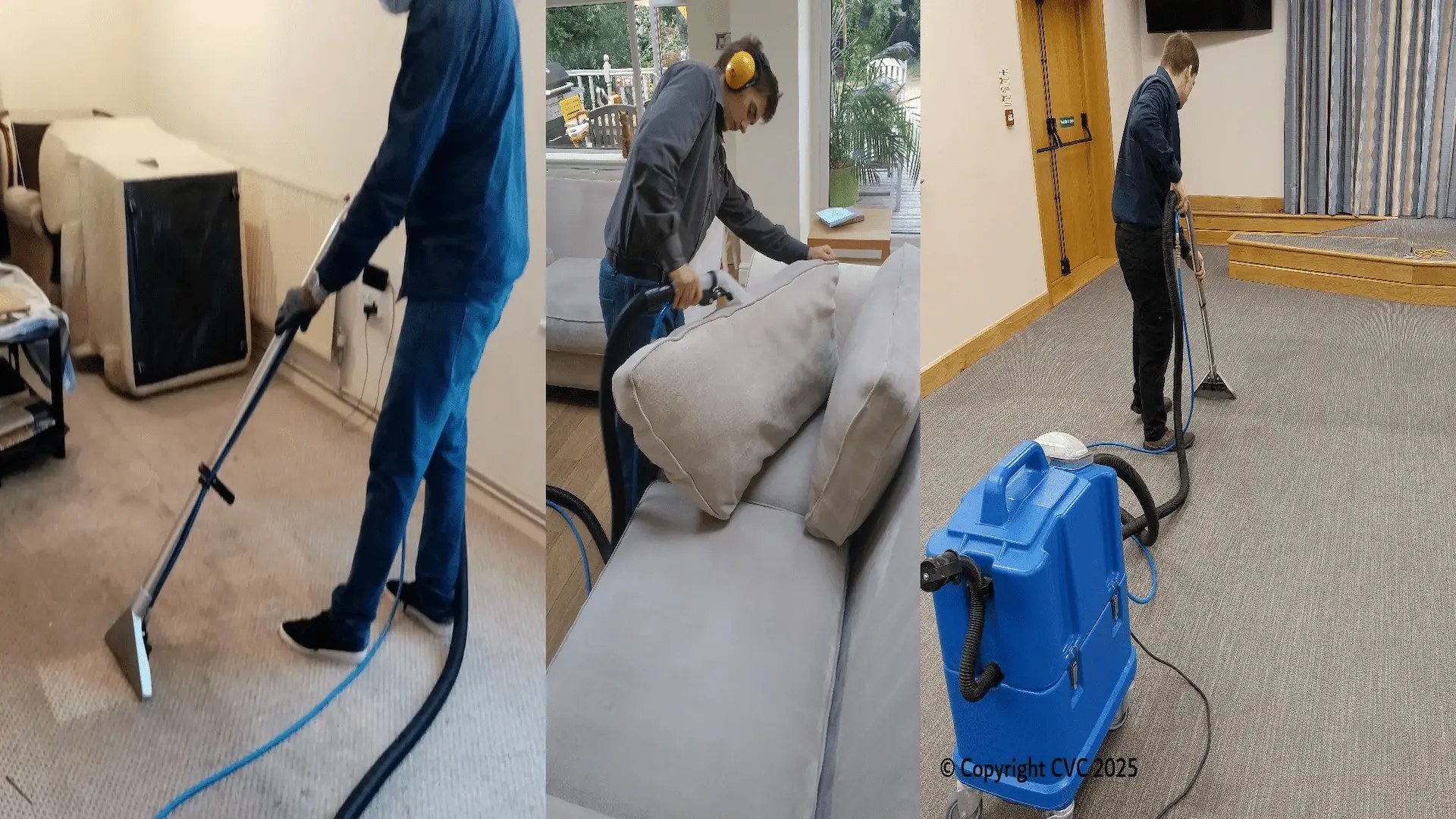 Carpet & upholstery cleaning project 1
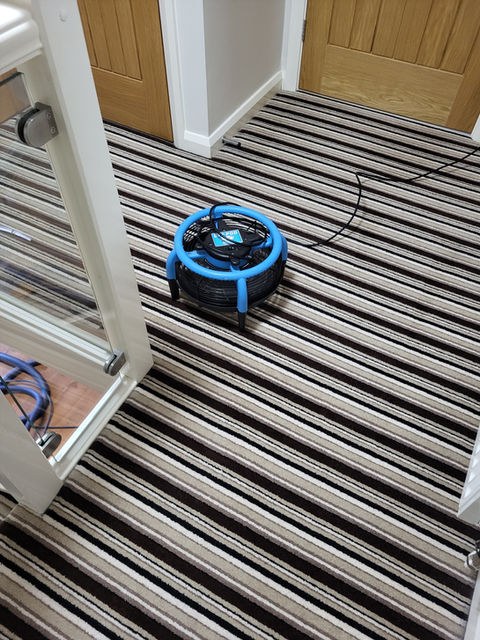 Carpet & upholstery cleaning project 1
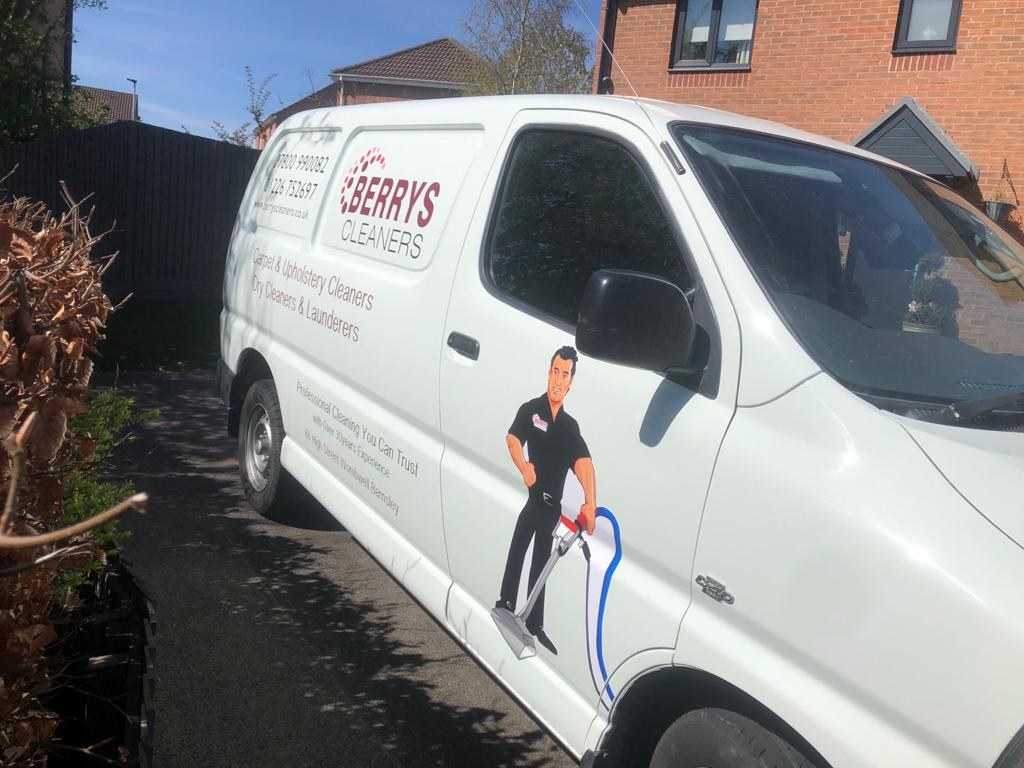 Carpet & upholstery cleaning project 1
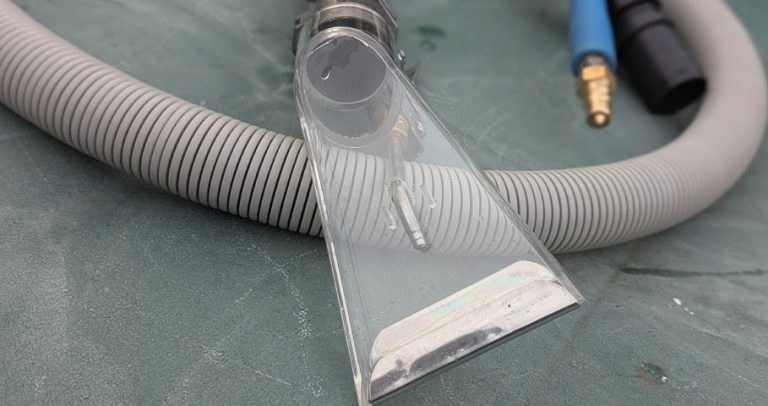 Carpet & upholstery cleaning project 1
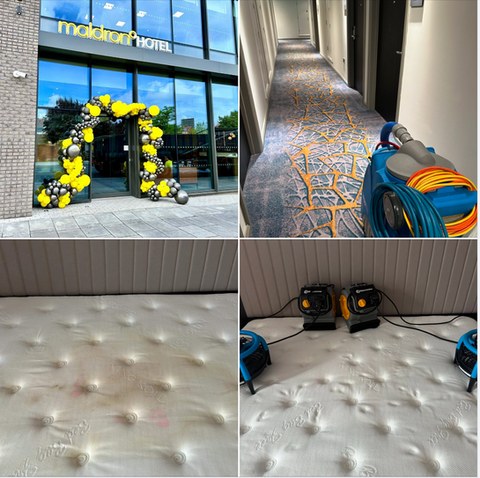 Carpet & upholstery cleaning project 1
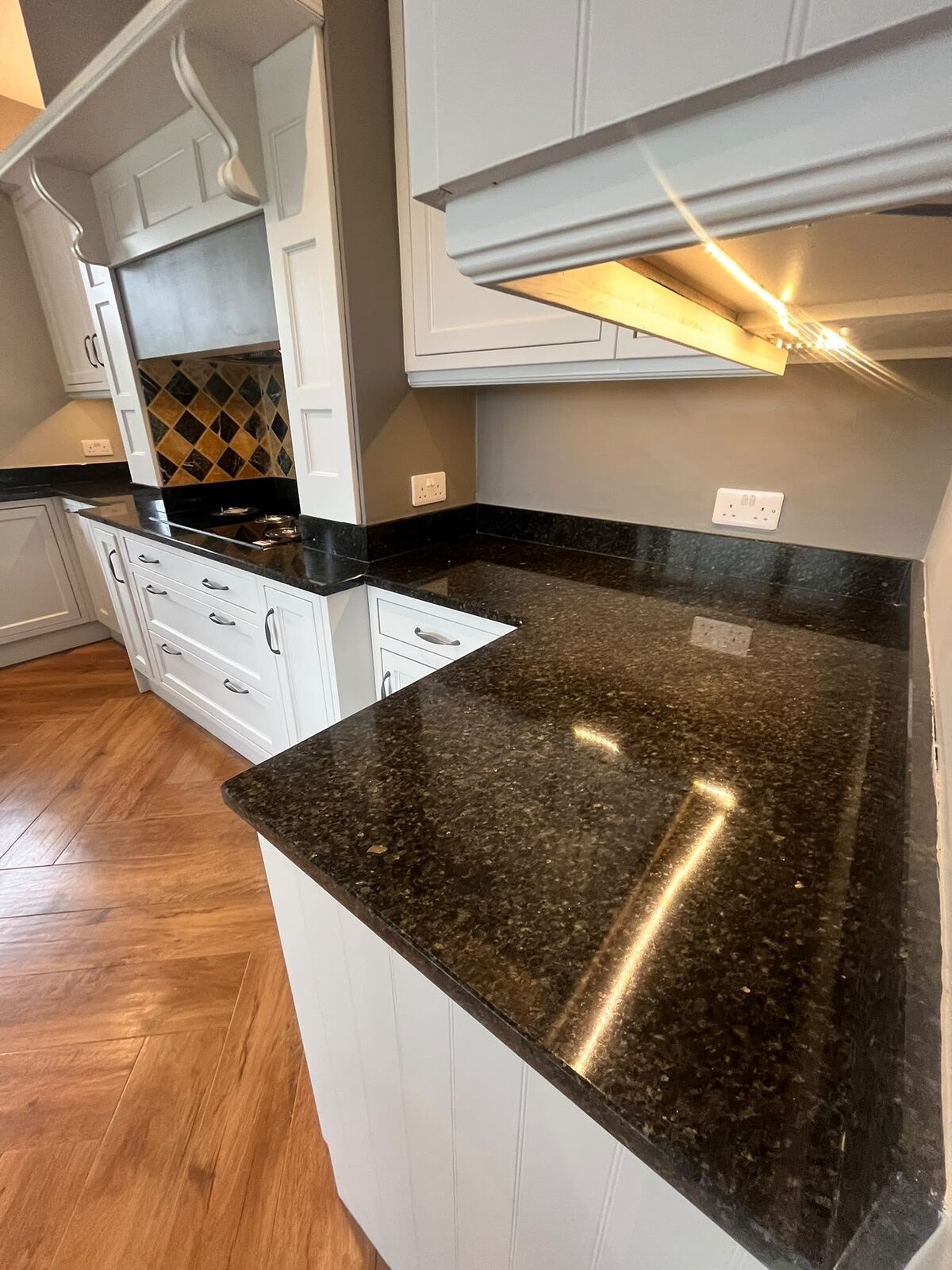 Carpet & upholstery cleaning project 1
 Carpet & upholstery cleaning project 1
 Carpet & upholstery cleaning project 1
 Carpet & upholstery cleaning project 1