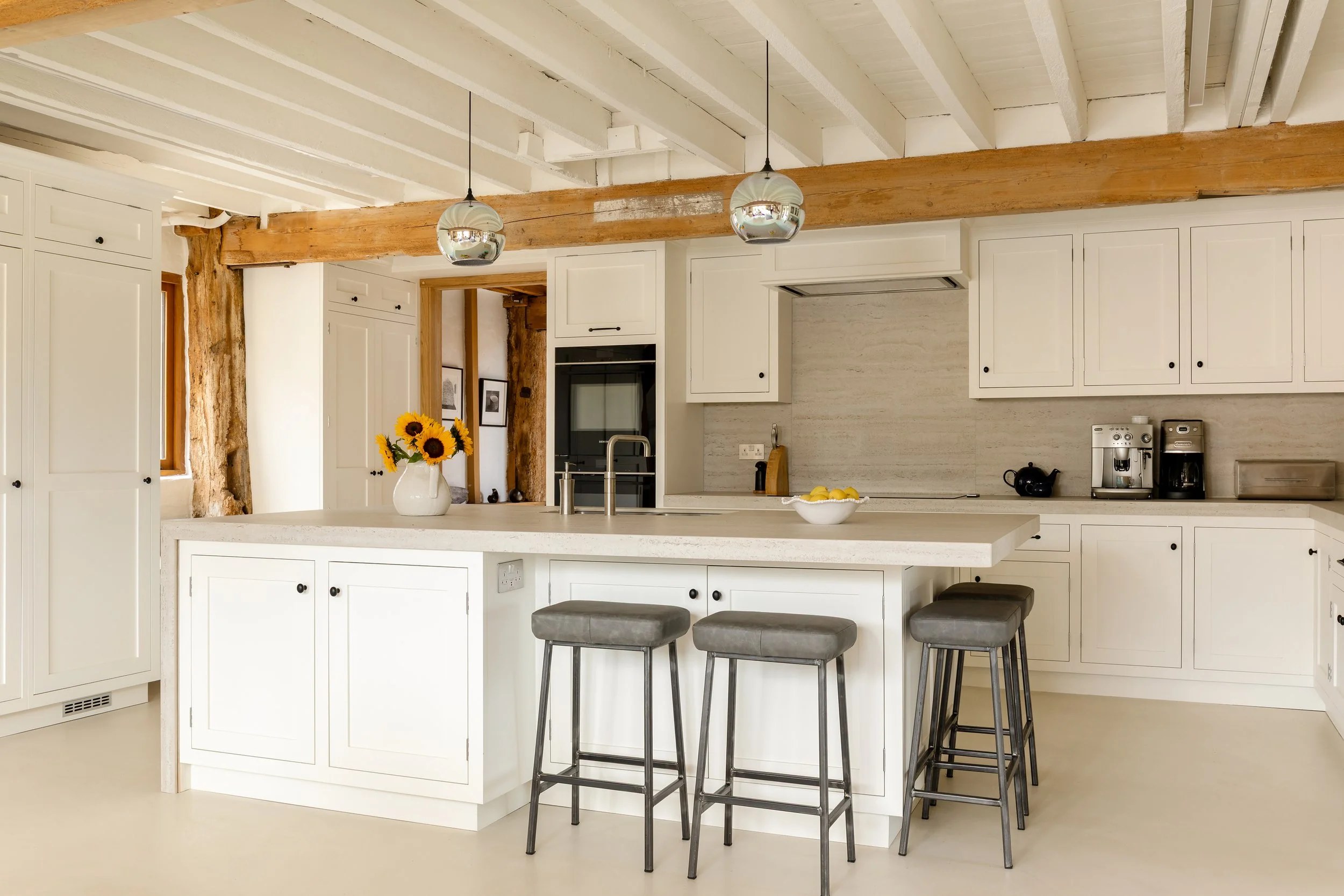
Carpentry quotes
Choose carpentry when timber is damaged, unsafe, poorly fitted or no longer suits the property. The work may involve repairing roofs, floors, doors, stairs, frames, cabinets or external structures, then matching materials and finishes so the result is sound, usable and less likely to fail again.
What this covers
Carpentry covers the measured cutting, shaping, joining, fixing and finishing of timber and sheet materials in a building. Inside, that can mean repairing floors, skirting, architraves, doors, frames, stairs, cupboards and fitted storage. Outside, it may include fascias, soffits, gates, fencing, sheds, timber cladding and roof components.
The physical scope starts with identifying why the timber has failed. A carpenter may check for damp, movement, insect damage, poor ventilation, leaking gutters, overloaded fixings or distortion in the surrounding structure. They then remove only what is unsound, retain serviceable material where practical, and measure the opening or load path before cutting a replacement.
A repair might use splice joints, new sections, packers, noggins, screws, adhesives or concealed supports. More extensive work can involve lifting floor coverings, opening ceilings, removing joinery, temporarily supporting an element or coordinating with a roofer, plumber, electrician or structural professional. Final work may include sanding, filling, priming, painting, staining, sealing and adjusting hardware so the repaired item operates properly.
How the work is done
The visit normally starts with a visual inspection and questions about movement, leaks, sticking, noise, previous repairs and how the problem has changed. The carpenter checks accessible faces, joints, fixings and nearby materials, then identifies whether the timber itself failed or whether damp, settlement or overloading caused it.
Next, the work area is measured and protected. Furniture, floor coverings and fragile finishes may be moved or covered. If opening-up is needed, the carpenter removes the minimum material necessary to expose the joint, void or supporting member. Rotten, split or distorted timber is cut back to sound material, with temporary support used where removing it could affect stability.
Replacement pieces are selected, cut and dry-fitted before being fixed with appropriate screws, bolts, plates, plugs or adhesives. Doors, drawers, boards and moving parts are tested for alignment. The final stage includes filling, sanding, priming, painting or sealing where included, followed by waste removal and an explanation of any remaining moisture, structural or finishing issue.
What affects the cost
Carpentry costs are driven first by the amount of investigation, removal and reinstatement, not simply by the visible size of the finished item. A small repair can require careful access, temporary support, matching mouldings and extensive making-good, while a larger exposed run may be quicker to measure and repeat.
Material choice affects cost through timber species, sheet grade, section size, moisture resistance, finish and whether a matching profile must be made. Access matters where floors, ceilings, roof spaces, tight cupboards or occupied rooms need protection and careful dismantling. Scaffolding, lifting, parking restrictions, waste disposal and return visits can also change the total.
Ask whether the quotation includes opening-up, disposal, fixings, preparation, painting or sealing, hardware, protection and making-good. Clarify exclusions for plastering, decorating, roofing, plumbing, electrics or structural design. A quote should also explain what happens if hidden decay, damp or movement is found after the work begins.
Before you hire
For this work, useful evidence is the ability to diagnose timber failure rather than simply cover it. Look for examples showing repaired joints, roof or floor timber, doors, stairs or fitted joinery similar to the job. The carpenter should explain why material is being removed, how the replacement will be supported and what caused the damage.
A competent explanation will distinguish cosmetic making-good from work affecting loads, damp or fire separation, and will identify where another specialist is needed. Ask for a written scope naming timber, fixings, finish, protection, waste and exclusions. Clean measuring, sample matching and a clear plan for unexpected decay are stronger signals than broad claims of experience.