Bricklaying quotes
Bricklaying repairs, builds or replaces masonry using bricks, mortar and measured courses. It is needed for cracked walls, damaged joints, extensions, garden walls, openings and new partitions. The work restores stability, weather resistance and appearance, provided the materials, bonding pattern and mortar suit the existing structure.
What this covers
A bricklaying job starts by identifying what the masonry is doing and why it has failed or needs changing. The tradesperson may inspect cracking, bulging, loose units, open joints, damp staining, settlement around openings and the condition of adjacent brickwork. They then remove unstable or defective material without unnecessarily disturbing sound courses.
New work is built to the required bond, line, level and gauge, with bricks selected for size, colour, strength, texture and weather exposure. Mortar is mixed to suit the existing construction, because a joint that is harder than the brick can cause the brick face to fracture as the wall moves. Repairs may include cutting out joints, replacing individual bricks, rebuilding a pier, closing an opening or forming a new one with suitable support.
The scope can also include temporary protection, dust control, scaffolding, lintel work, insulation interfaces, damp-proof detailing and external making good. Internal partitions differ from exposed elevations: they may use different units, finishes and acoustic or fire-performance requirements. The completed masonry needs time and suitable protection to cure before it is heavily loaded, sealed or exposed to avoidable weather damage.
How the work is done
The work normally begins with an inspection of the wall, nearby openings, ground interface and any visible movement. The required repair is marked out, and access, protection, temporary support and waste handling are agreed before masonry is disturbed.
Loose bricks, failed mortar or damaged sections are removed carefully, usually starting with the least stable material while retaining sound surrounding courses. Dust and debris are cleared so the remaining faces can bond properly. Replacement bricks are checked against the existing dimensions and appearance, while the mortar is selected for compatibility rather than maximum hardness.
The tradesperson then dampens or prepares the background as appropriate, lays replacement units to the existing bond and maintains line, level, gauge and joint profile. Openings may need a lintel or other designed support before masonry above is reinstated. Joints are finished at the suitable stage, and the work is protected while it cures.
Finally, the area is checked for alignment, loose material, staining and unfinished junctions. Scaffolding, coverings and rubble are removed, with surrounding surfaces made good where that is included in the agreed scope.
What affects the cost
Bricklaying costs are driven by the amount of masonry to remove and rebuild, the number of courses, the ease of matching bricks and the mortar specification. A small visible repair can require more care per square metre than a straightforward new wall because cutting out must avoid damaging adjoining work and the finished match needs close attention.
Access is a major variable. Height, narrow passages, fragile roofs, occupied rooms and protection for windows or landscaping can increase preparation and handling. Scaffolding, temporary support, hoisting, waste disposal and delivery may be separate items unless the quotation includes them.
The building’s condition also affects scope. Hidden voids, movement, damp, defective lintels or damaged cavity components may only become clear after opening the wall. Listed or traditionally built property can require slower, compatible methods and carefully sourced materials. Ask for labour, bricks, mortar, supports, access equipment, protection, removal of rubble, curing measures and making good to be stated clearly, with exclusions identified.
Before you hire
For bricklaying, useful evidence is a portfolio showing close-up repairs beside existing work, not only new garden walls. Ask how the provider identifies brick type, mortar hardness, bond, joint profile and movement before removing material. Competent workmanship should be visible in straight courses, consistent gauges, clean reveals and joints finished without smearing the brick faces. For an opening or unstable section, ask what temporary support and permanent support are proposed. A clear quotation should separate investigation, access, materials, waste, curing protection and making good.
Recent work
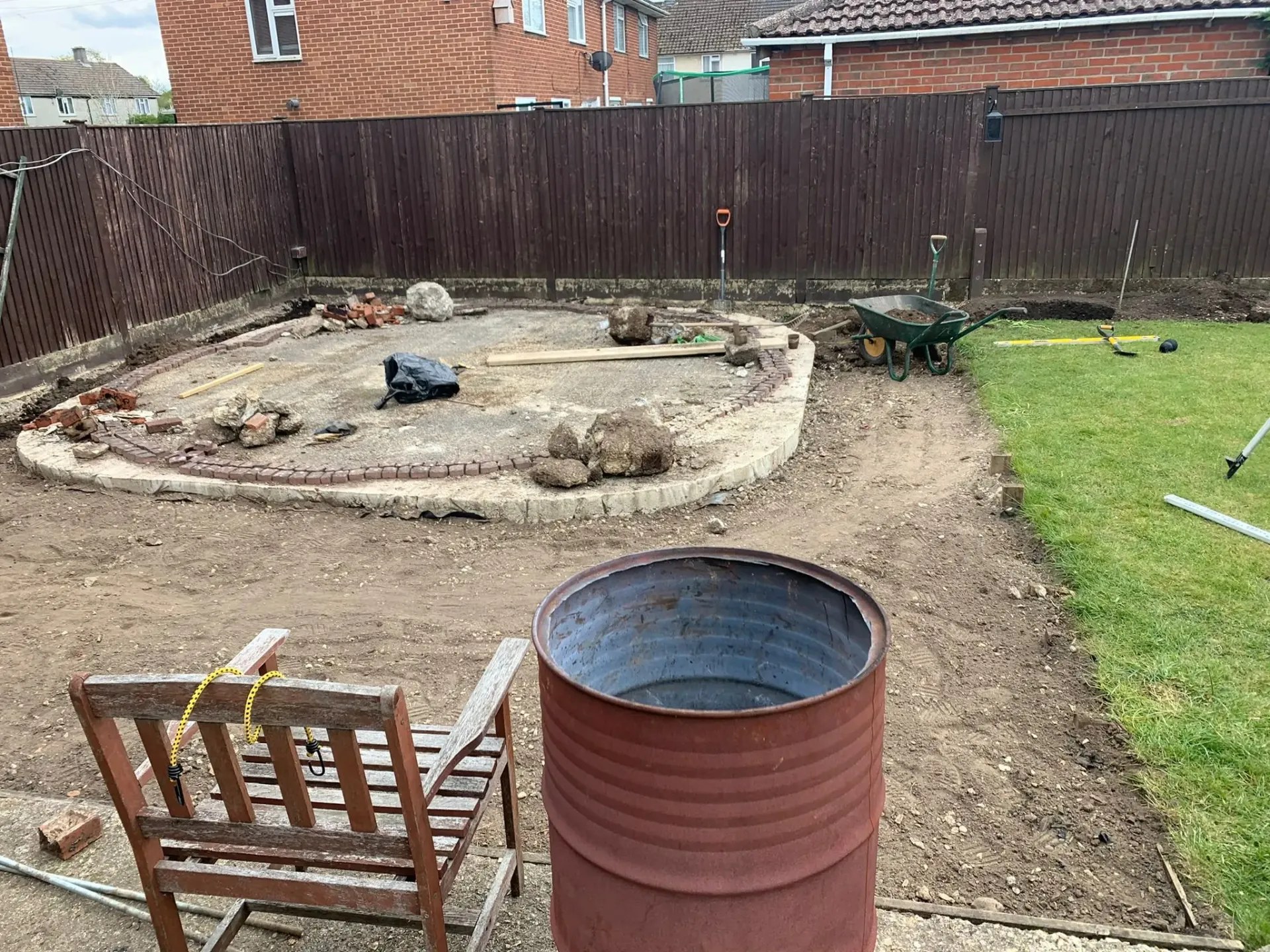 Bricklaying & masonry project 1
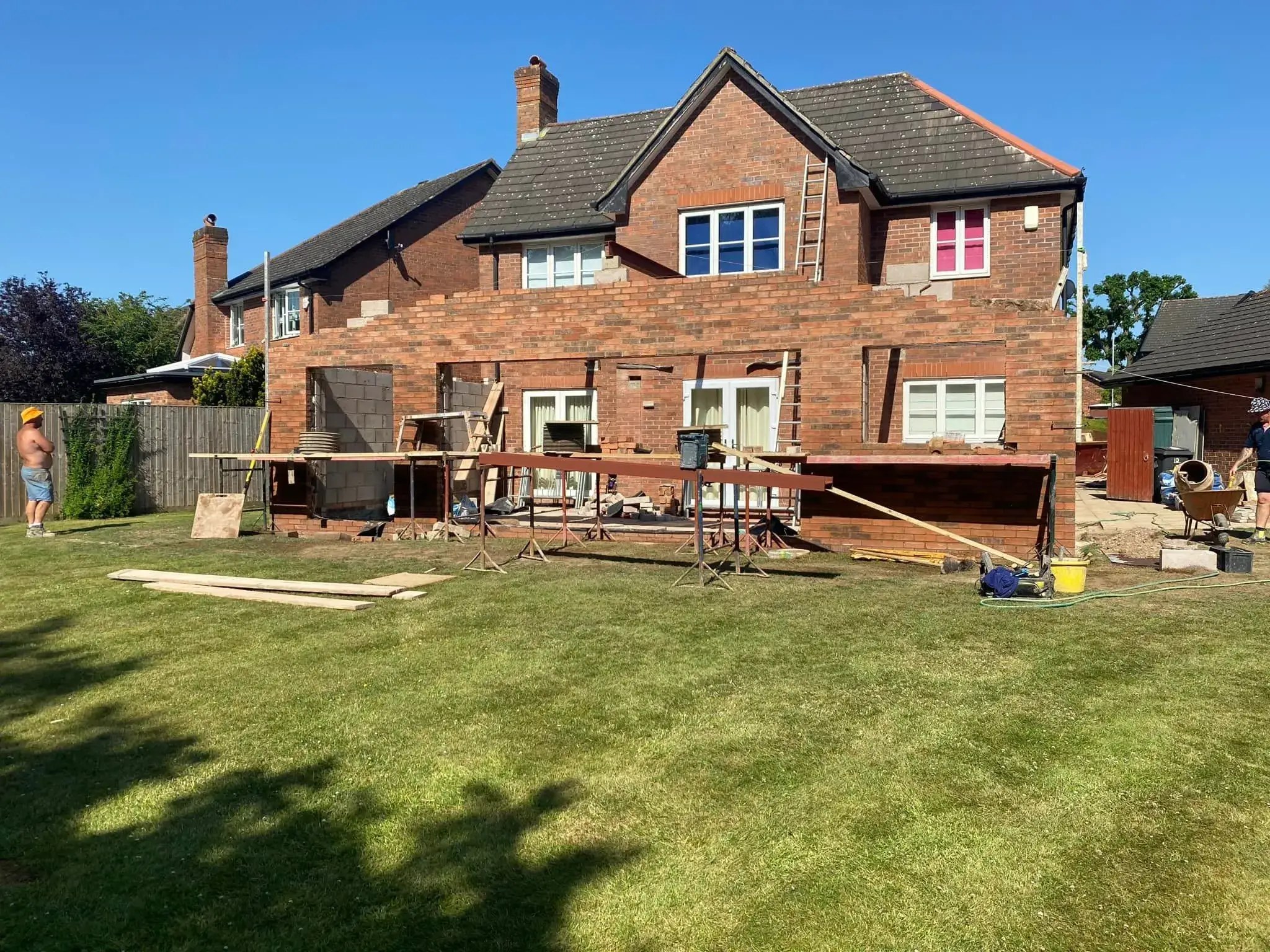 Bricklaying & masonry project 1
 Bricklaying & masonry project 1
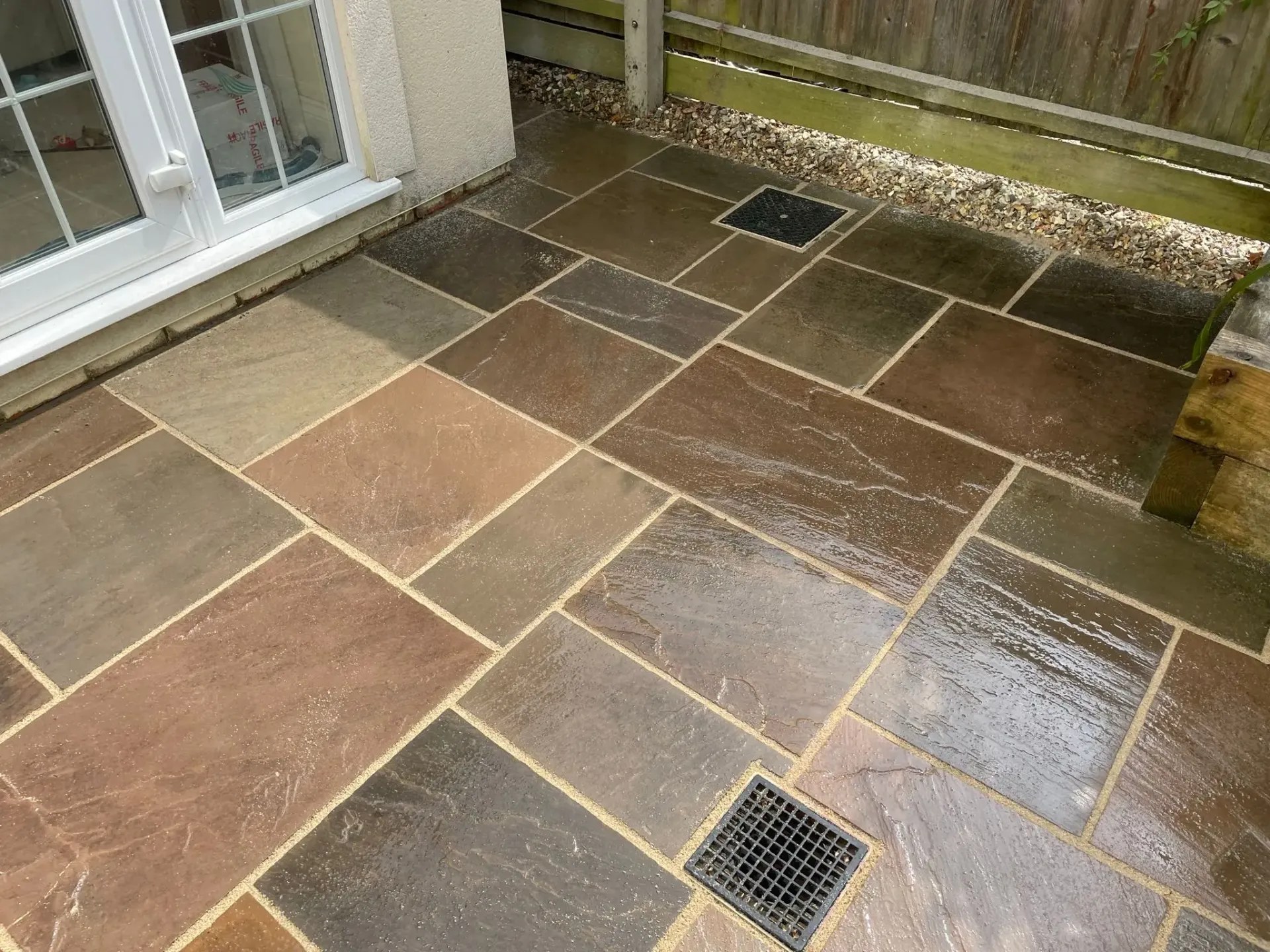 Bricklaying & masonry project 2
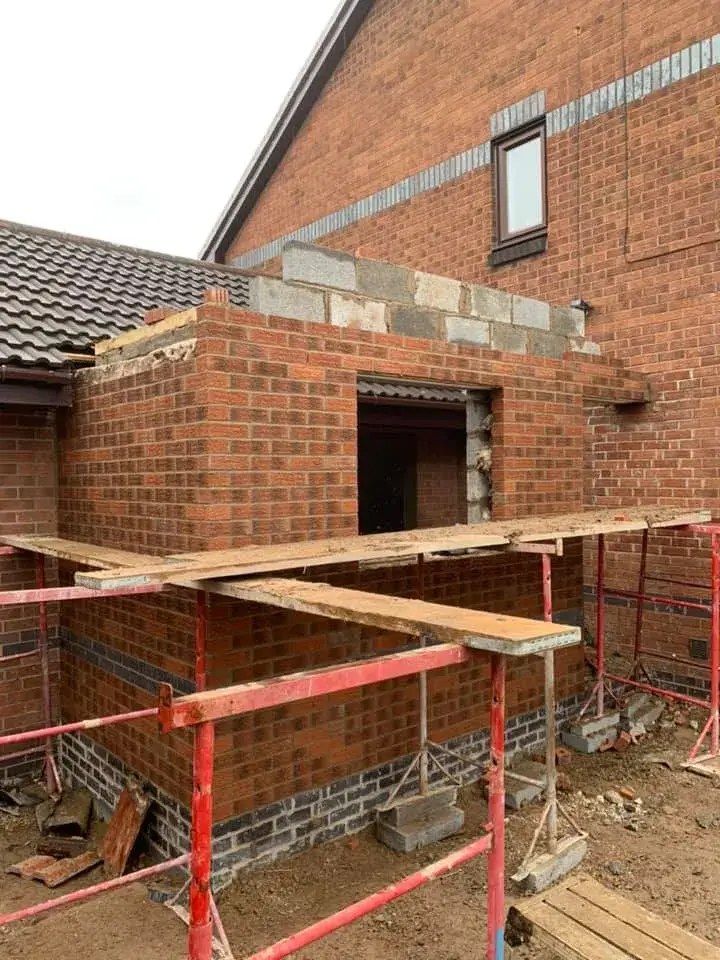 Bricklaying & masonry project 2
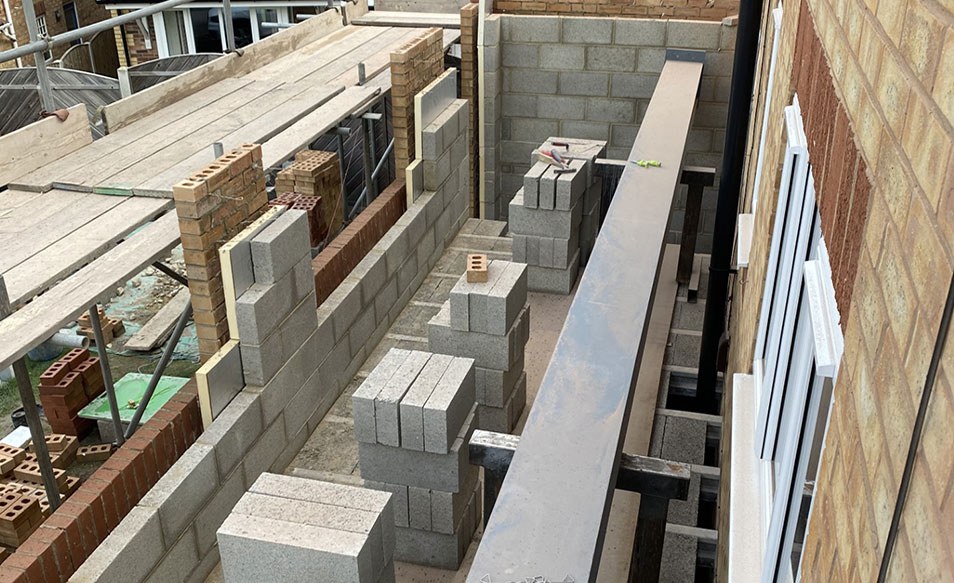 Bricklaying & masonry project 2
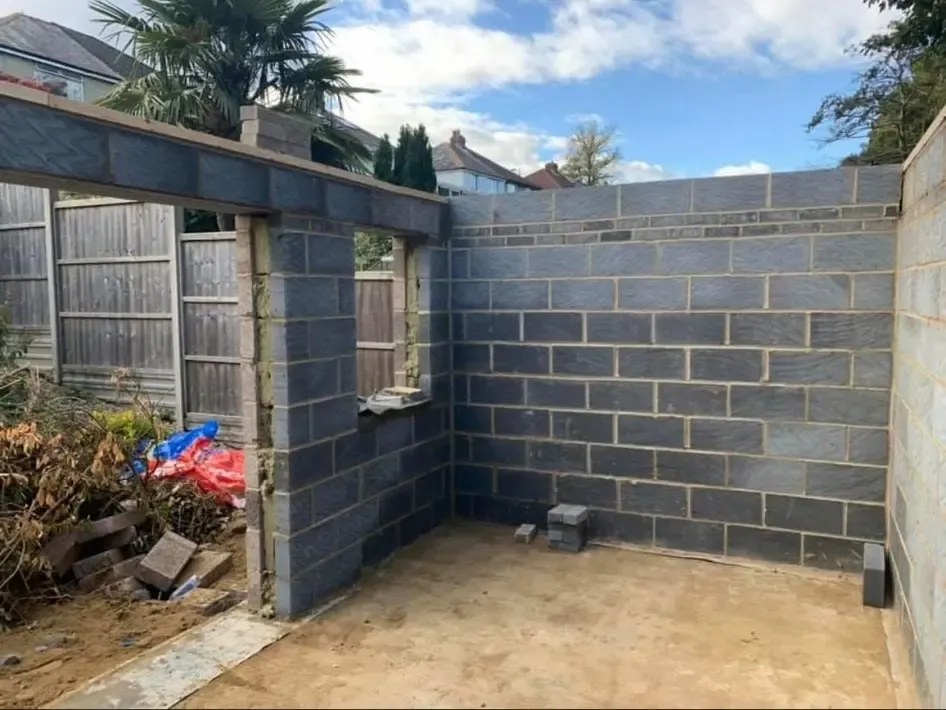 Bricklaying & masonry project 3
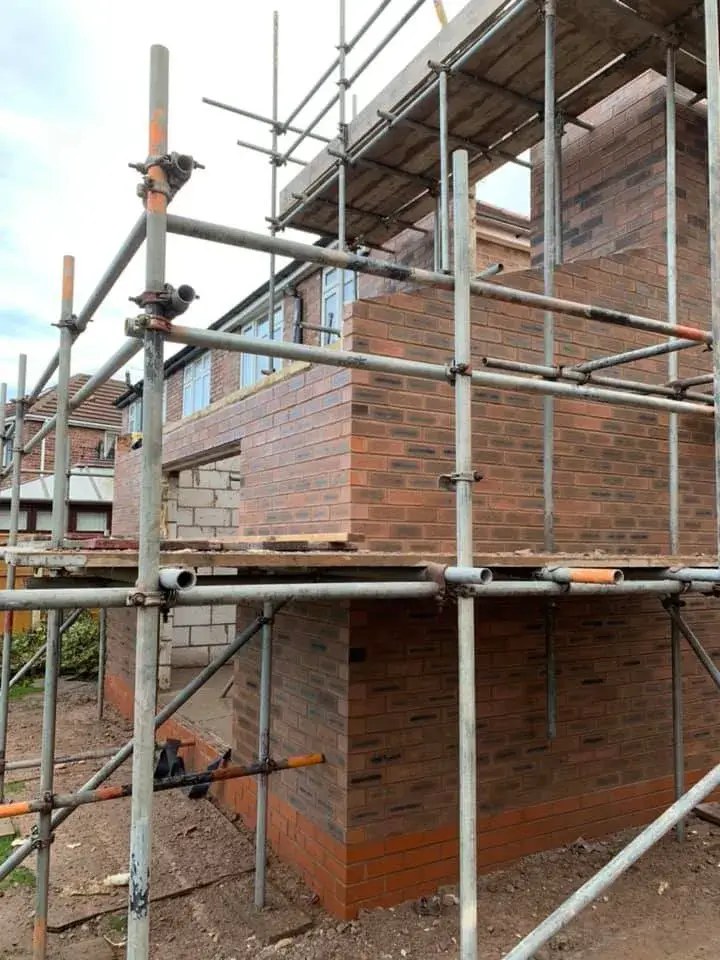 Bricklaying & masonry project 3
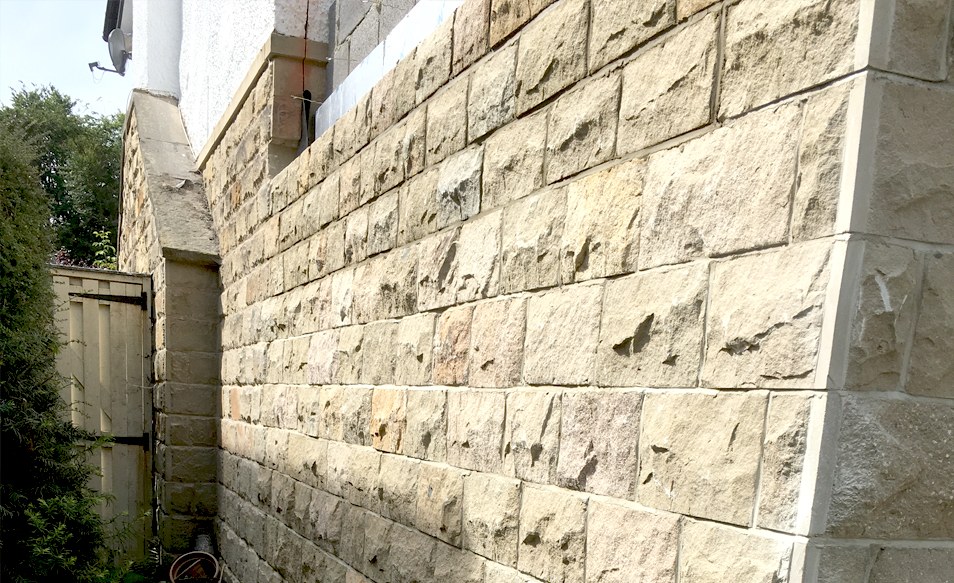 Bricklaying & masonry project 3
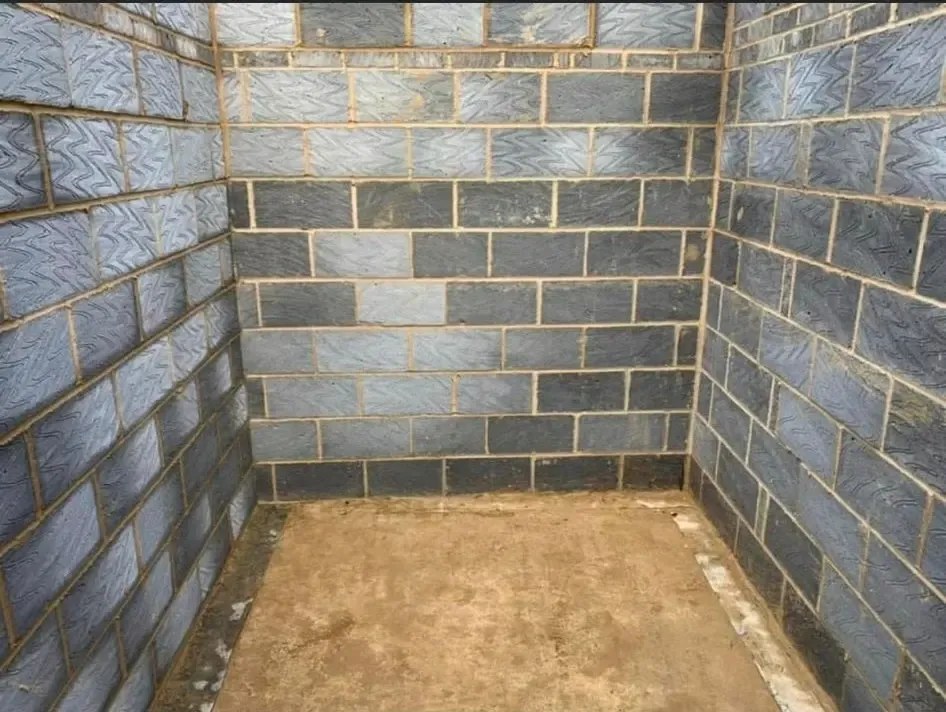 Bricklaying & masonry project 4
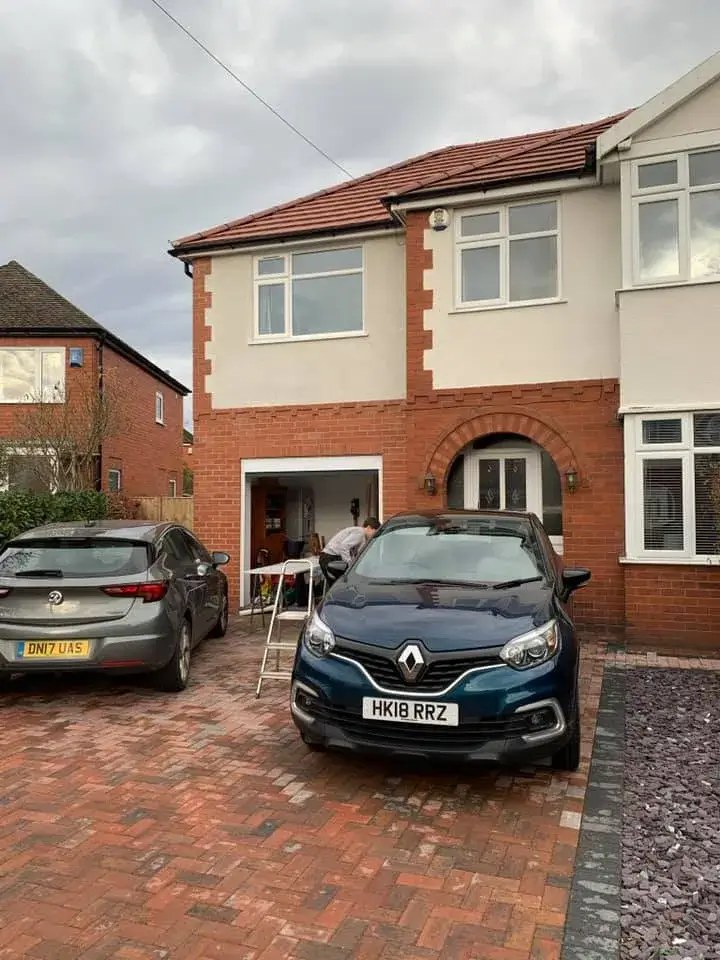 Bricklaying & masonry project 4
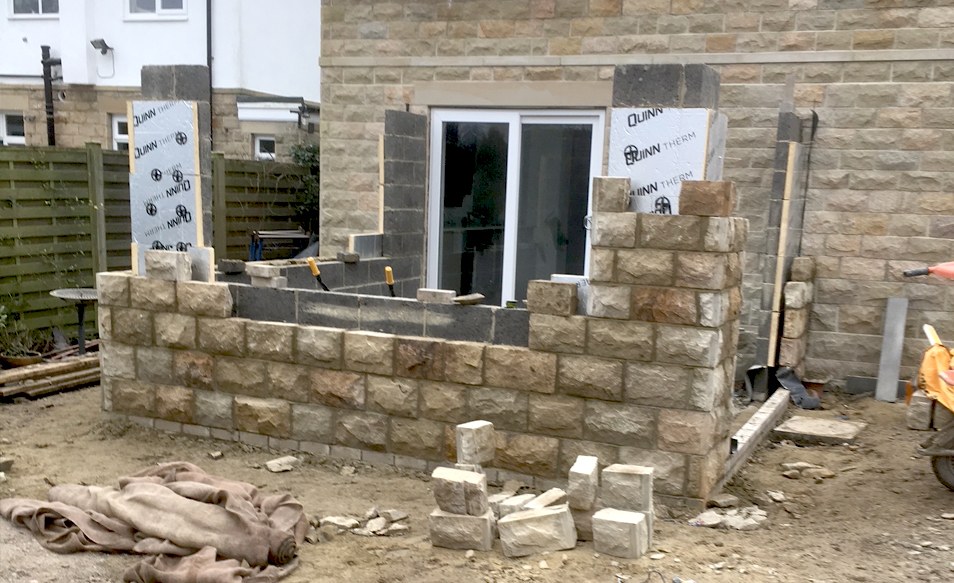 Bricklaying & masonry project 4