Boiler services quotes
Arrange boiler servicing, repairs, replacement or commissioning when heating fails, pressure drops, radiators stay cold or safety controls need checking. The work identifies the fault, tests combustion and system operation where relevant, replaces failed components safely, and leaves the installation operating reliably.
What this covers
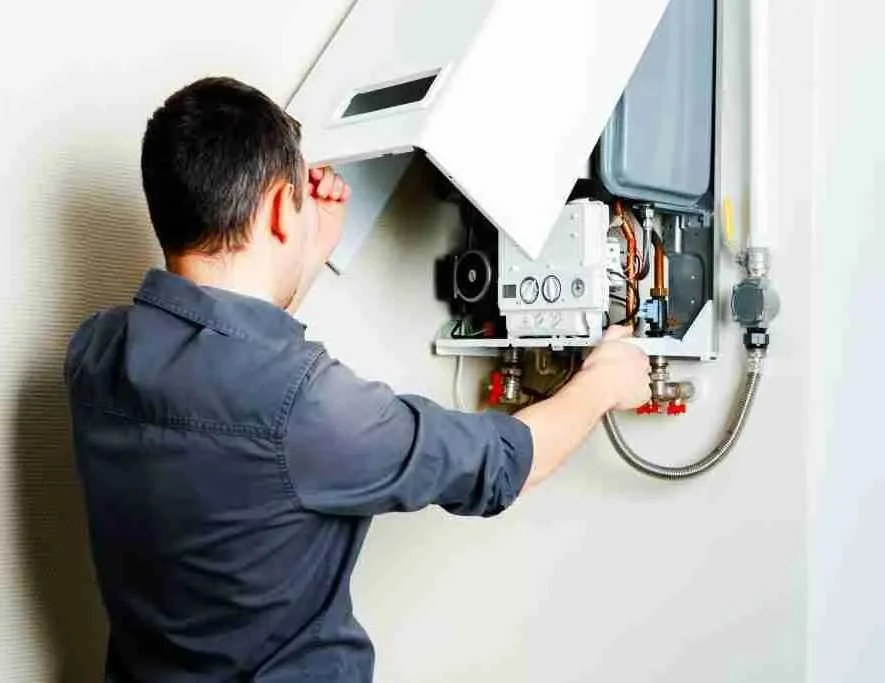
Boiler services cover planned servicing, fault diagnosis, repairs, replacement, installation changes and commissioning for domestic or managed properties. The engineer first establishes the complaint: loss of heating, no hot water, unusual noise, leaking, low pressure, repeated lockouts or unexplained increases in energy use. They inspect the boiler casing, flue route, condensate pipe, controls, valves, expansion arrangements and visible pipework before opening the appliance.
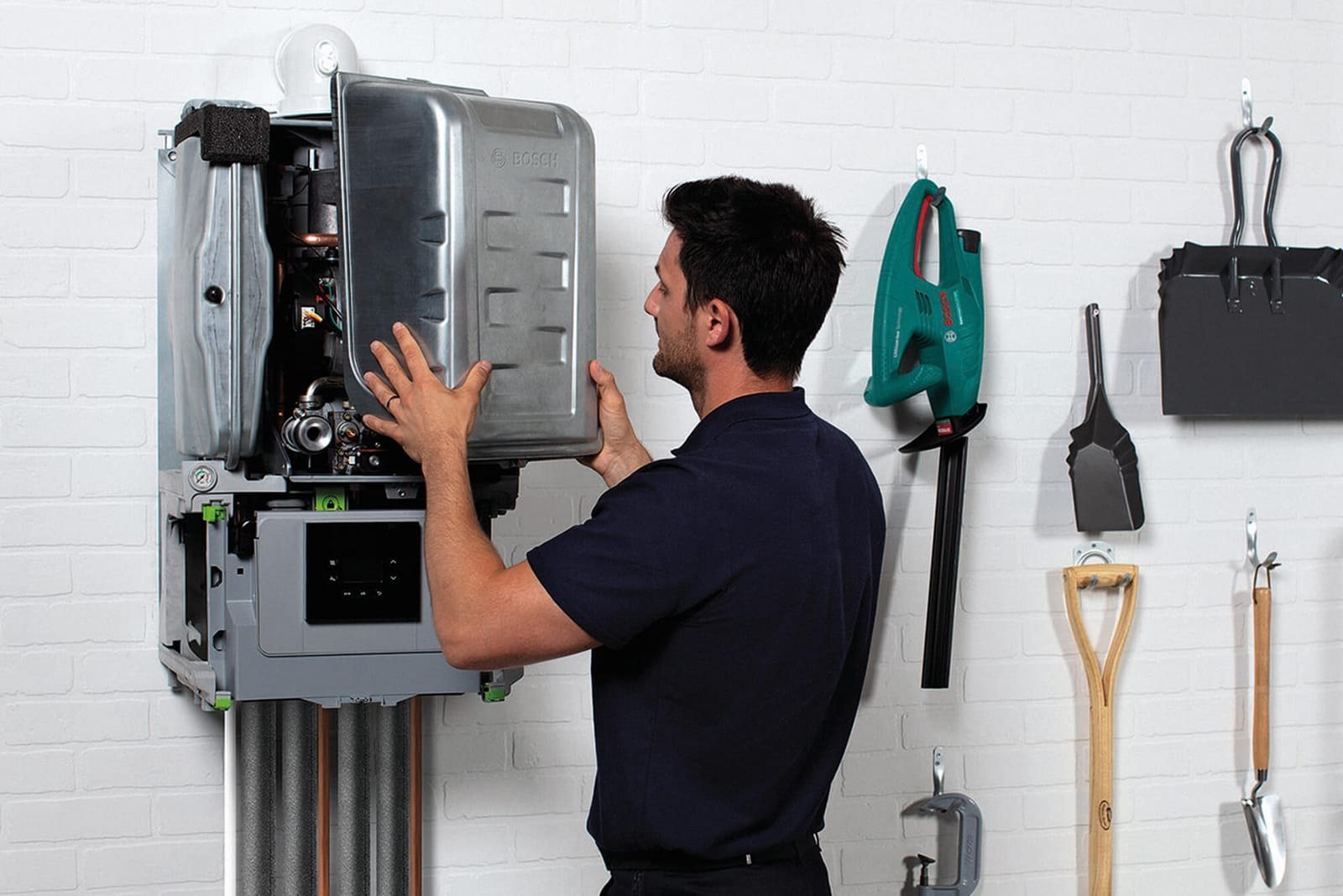
A service normally includes cleaning accessible components, checking seals and connections, measuring operating behaviour and testing safety controls. Gas appliances require combustion and flue checks by a Gas Safe registered engineer. Repairs may involve sensors, pumps, diverter valves, fans, ignition components, pressure vessels or control equipment. Replacement involves sizing the appliance, checking system compatibility, altering pipework where necessary, flushing or cleaning the system, connecting controls and completing commissioning. Benchmark documentation records relevant installation and commissioning information. Unvented hot-water cylinders require appropriately qualified work, while fittings connected to water systems should be suitable for their intended use.
How the work is done
The visit begins with questions about the fault, error codes, noises, leaks, pressure changes and rooms affected. The engineer then identifies the boiler, examines access and checks visible pipework, controls, flue termination, condensate drainage and isolation points. If a gas appliance is involved, they carry out appropriate safety and combustion checks before deciding whether it can be operated.
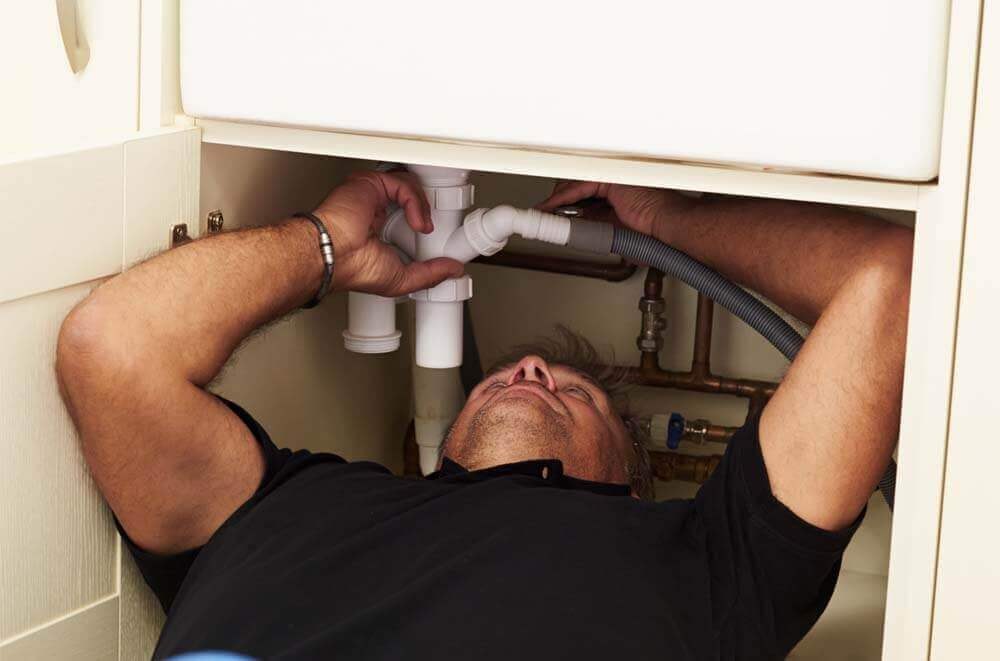
Diagnosis follows the symptoms rather than assuming the boiler itself has failed. Electrical supplies, thermostats, pumps, valves, sensors, pressure and circulation are tested in sequence. For a repair, the engineer isolates the relevant services, replaces or cleans the failed component, restores connections and checks for leaks. For replacement, the old appliance is disconnected, removed and disposed of, with pipework, flue, condensate and controls adapted as required.
The system is then filled, vented, balanced or flushed where appropriate, and tested through heating and hot-water cycles. Settings, safety devices and controls are checked, the work area is left safe, and commissioning information or relevant documentation is provided.
What affects the cost
The price is driven first by diagnosis: a straightforward control or sensor fault takes a different scope from intermittent lockouts requiring electrical, hydraulic and combustion testing. Labour also changes with access, appliance location, seized connections, system contamination and whether the engineer must remove fitted cupboards, flooring or boxing.
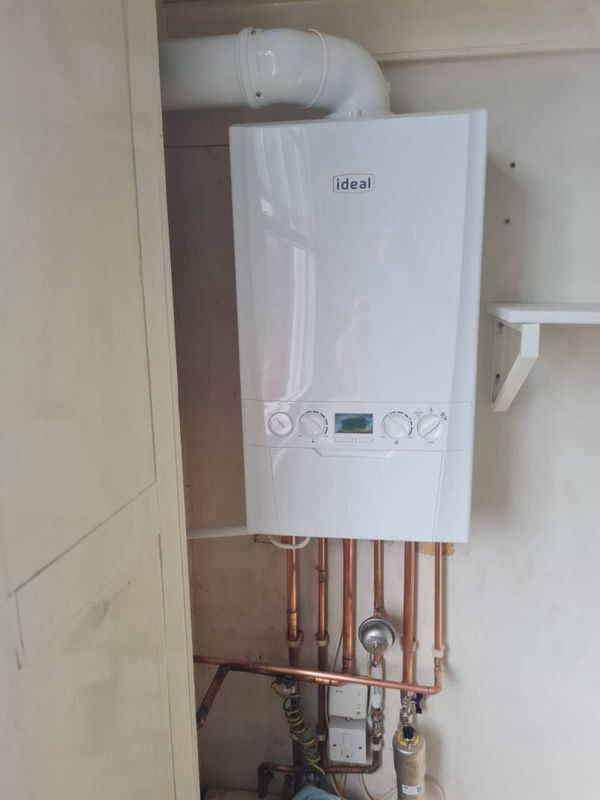
For replacement, the main drivers are boiler output, system type, flue length and route, condensate disposal, controls, pipework alterations, cylinder arrangements and disposal of the old appliance. A property with poor circulation, sludge, unsuitable radiators or an undersized gas or electrical supply may need enabling work before commissioning. Hard-to-reach installations, scaffolding, asbestos concerns or extensive making-good add separate complexity.
Check that a quotation states inspection, parts, isolation, removal, waste disposal, flushing or cleaning, controls, commissioning, documentation and any exclusions. Ask which findings would trigger extra work, rather than accepting an apparently low figure that omits testing or remedial preparation.
Before you hire
For gas boiler work, confirm that the individual carrying out the gas tasks is Gas Safe registered and can work on the relevant appliance type. Useful job-specific evidence includes a written fault diagnosis, combustion and flue checks, clear explanation of isolation points, and commissioning details after replacement. If the work affects an unvented cylinder, ask about the appropriate qualification. The engineer should identify system condition, controls, condensate drainage and pipework compatibility rather than treating the boiler as an isolated box.
Recent work
 Boiler services project 1
 Boiler services project 1
 Boiler services project 1
 Boiler services project 1
 Boiler services project 1
 Boiler services project 1
 Boiler services project 1
 Boiler services project 1
 Boiler services project 1
 Boiler services project 1
 Boiler services project 1
 Boiler services project 1
 Boiler services project 1
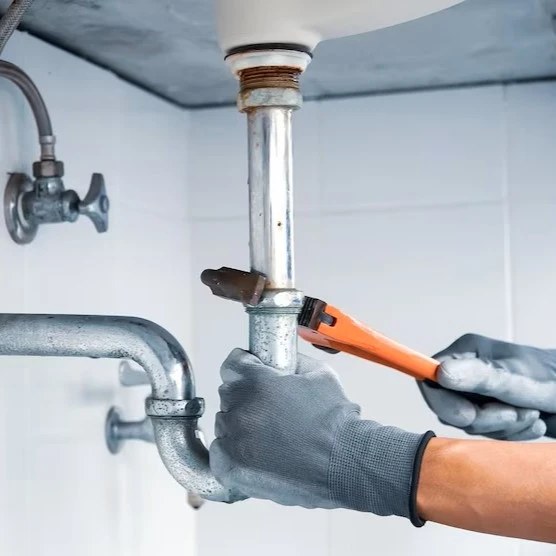 Boiler services project 1
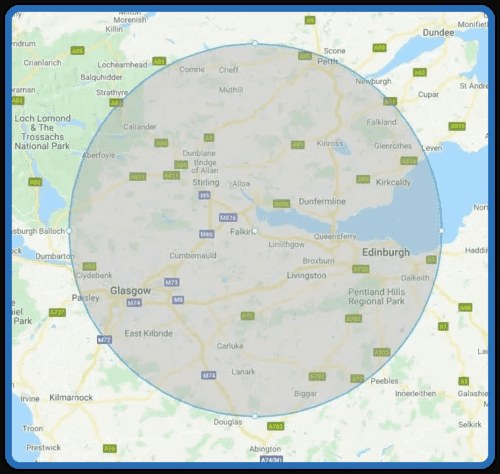 Boiler services project 2
 Boiler services project 2