Boiler services quotes
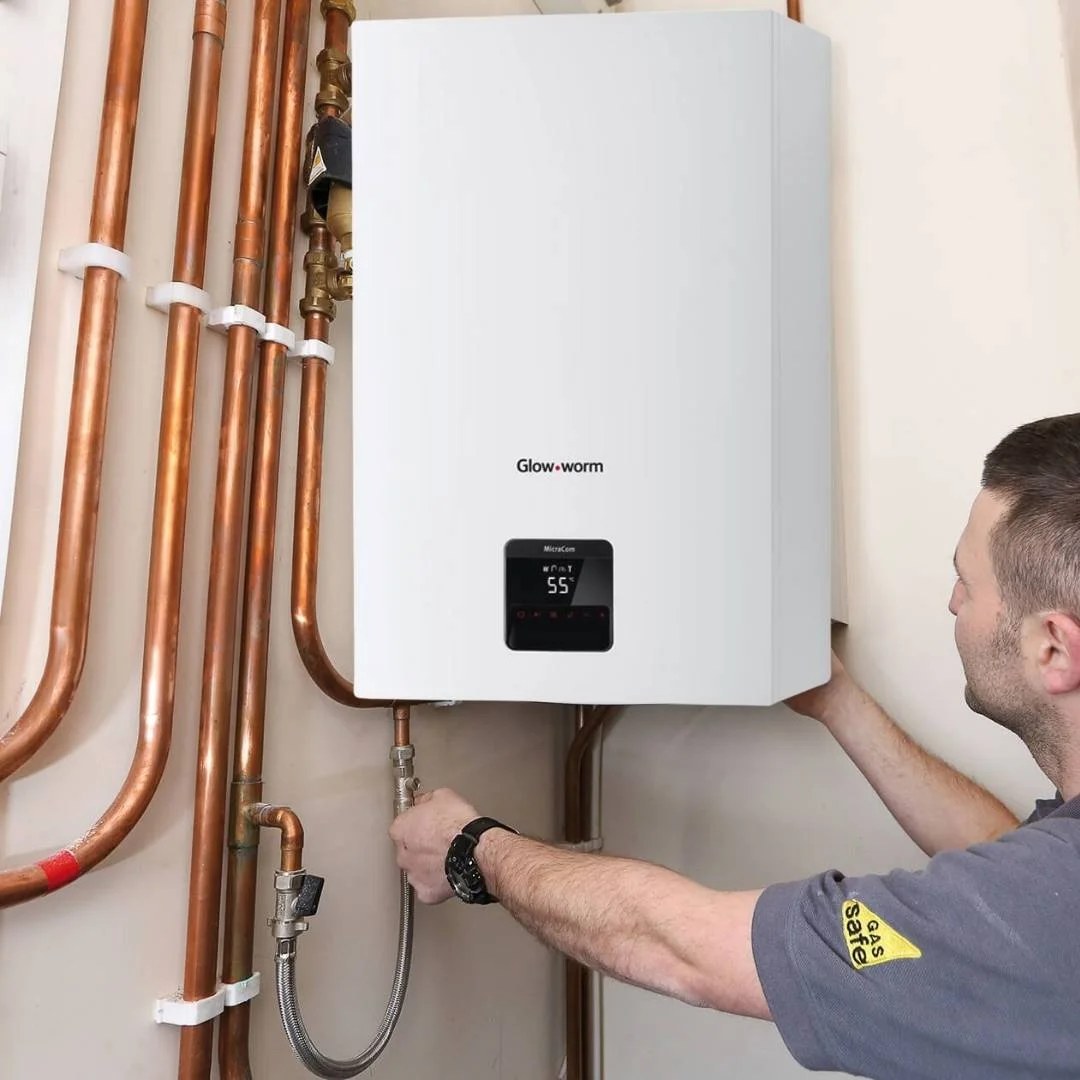
Boiler services cover diagnosing faults, repairing components, servicing, safety checks, replacement and commissioning. Book an engineer when heating or hot water fails, pressure repeatedly drops, unusual noises develop, a fault code appears or a gas smell is suspected. The work restores safe, reliable operation and identifies causes before damage worsens.
What this covers
A boiler service starts with identifying the appliance, installation arrangement and reported symptoms. An engineer examines the casing, controls, visible pipework, condensate route, flue terminal and surrounding ventilation before operating the system. They may test combustion, check operating pressure, inspect seals and examine safety devices, depending on the appliance and available manufacturer instructions. Servicing normally involves cleaning accessible components, checking connections and recording findings rather than automatically replacing parts.
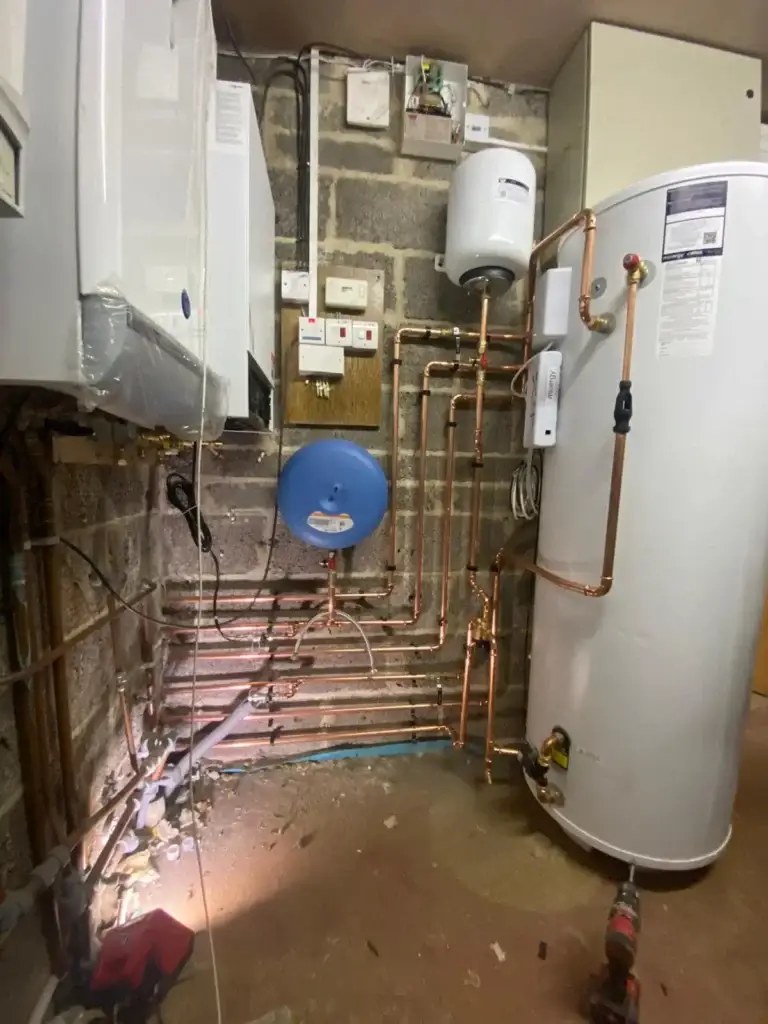
Repair work follows a confirmed diagnosis. This can mean replacing an electrode, sensor, valve, pump, expansion vessel or other failed component, then testing the system under operation. A replacement involves isolating services, removing the old appliance, adapting connections where necessary, fitting the new boiler, checking the flue and controls, filling and venting the system, and commissioning it. Benchmark commissioning records relevant installation checks. Gas work must be completed by a Gas Safe registered engineer. An unvented cylinder connected to the heating system requires appropriately qualified work, while WRAS-compatible fittings and Part G considerations may affect associated water connections.
How the work is done
The engineer first records the boiler make, model, age, controls and symptoms, then asks what happens when heating or hot water is requested. They inspect visible pipework, the flue, condensate discharge, pressure gauge, electrical connections and surrounding clearance. The appliance is run through relevant operating cycles so fault codes, ignition behaviour, temperature changes and unusual sounds can be assessed.
For a service, accessible parts are examined and cleaned as appropriate, safety and combustion checks are completed where applicable, and findings are recorded. For a repair, the engineer isolates the relevant supplies, confirms the failed component, replaces it, restores connections and tests the boiler again. A replacement adds removal and disposal of the old appliance, connection of the new flue and pipework, control setup, system filling, bleeding, commissioning and user instruction. Any associated cylinder, condensate route or heating controls should be tested within the agreed scope rather than assumed to be included.
What affects the cost
The main cost drivers are diagnosis, access, appliance type, failed component, replacement-part availability and the condition of connected pipework. A straightforward service is less involved than a fault requiring repeated testing, seized connections, contaminated system water or access behind fitted cupboards. Replacement costs rise when the flue route, condensate discharge, gas supply, controls or mounting position need alteration.
Quotes should make clear whether the visit covers diagnosis, labour, parts, disposal, system cleansing, magnetic filtration, controls, flue work, commissioning, certification and making good. An appliance in a loft, tight cupboard or difficult-to-reach plant area may require additional preparation. Moving a boiler creates more disruption because pipework, electrics, drainage and wall finishes may need attention. An unvented cylinder, complex zoning or a system with corrosion can require specialist work beyond the boiler itself. Ask for exclusions as well as inclusions, particularly where hidden defects cannot be assessed until the installation is opened.
Before you hire
For gas boiler work, the relevant signal is Gas Safe registration and evidence that the engineer understands the appliance type being worked on. A competent provider should explain the diagnostic test, identify the failed mechanism, and distinguish a repair from a recommendation to replace. For a new installation, ask how flue routing, condensate discharge, controls and Benchmark commissioning will be handled. Work involving an unvented cylinder needs the appropriate qualification. A clear report should state measured findings, parts fitted, safety checks completed and any defects left outside the agreed scope.
Recent work
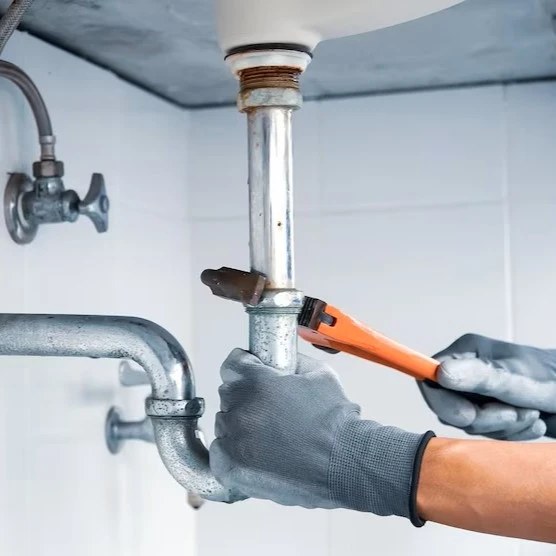 Boiler services project 1
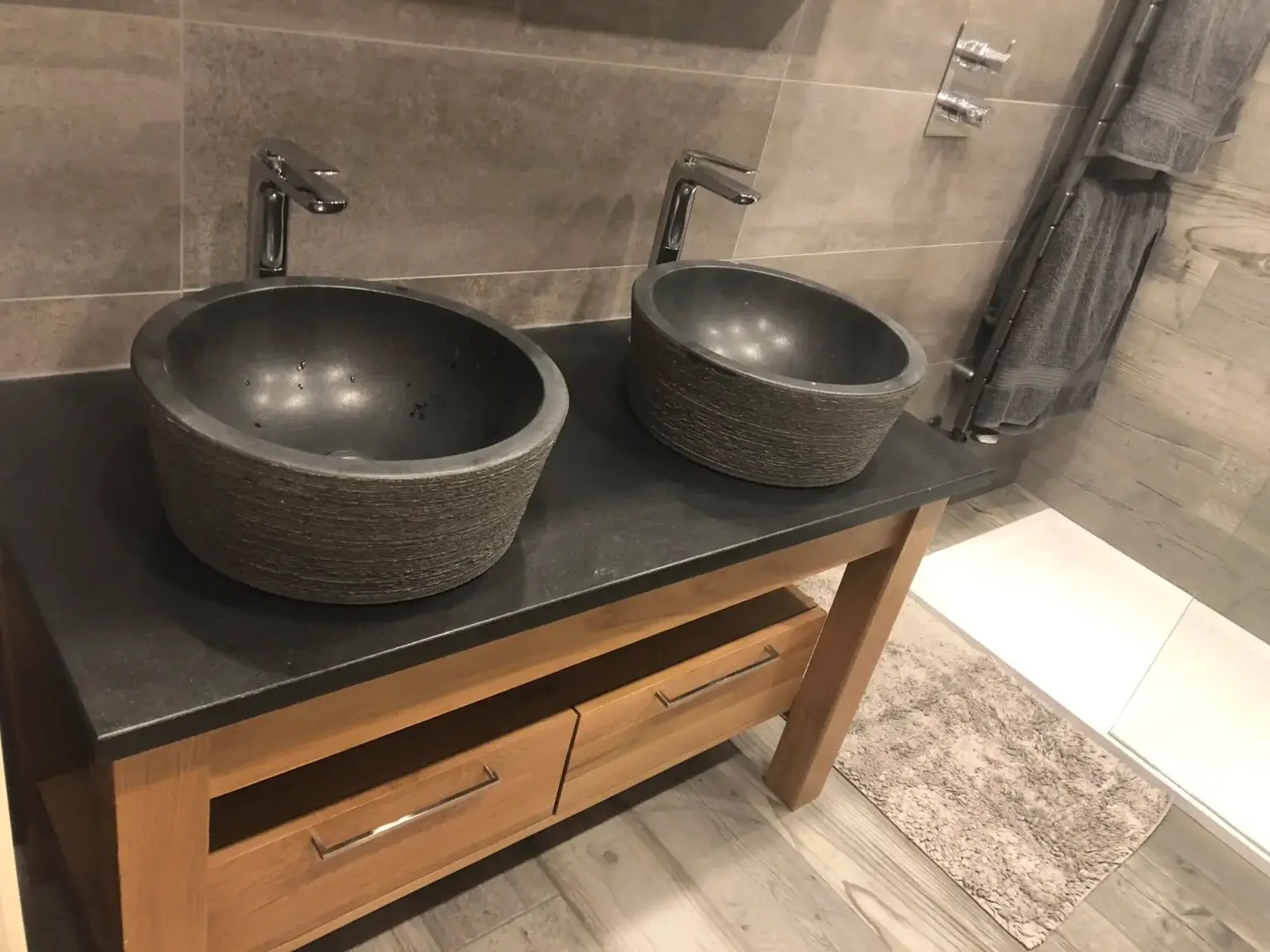 Plumbing project
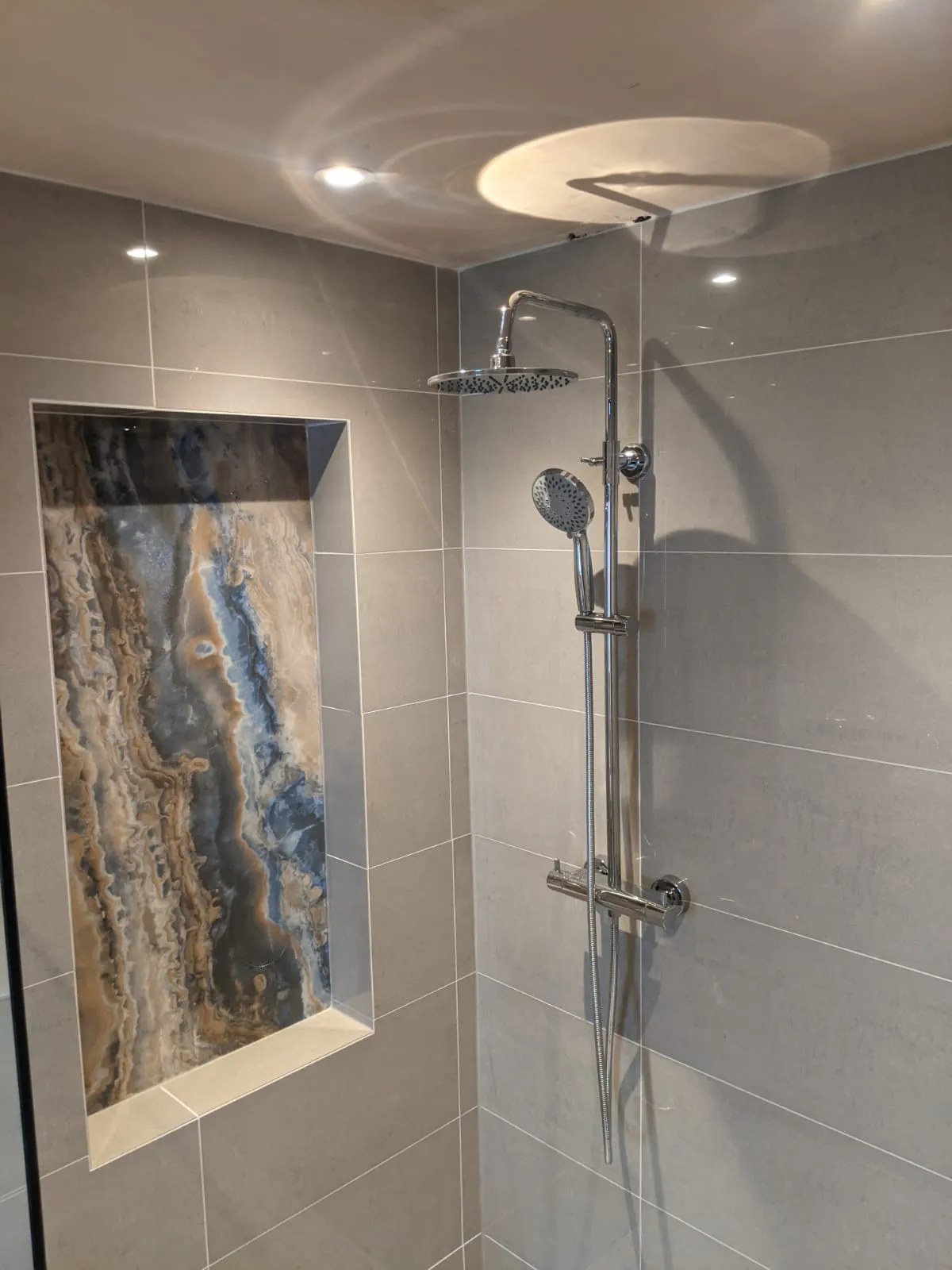 Plumbing and heating installation
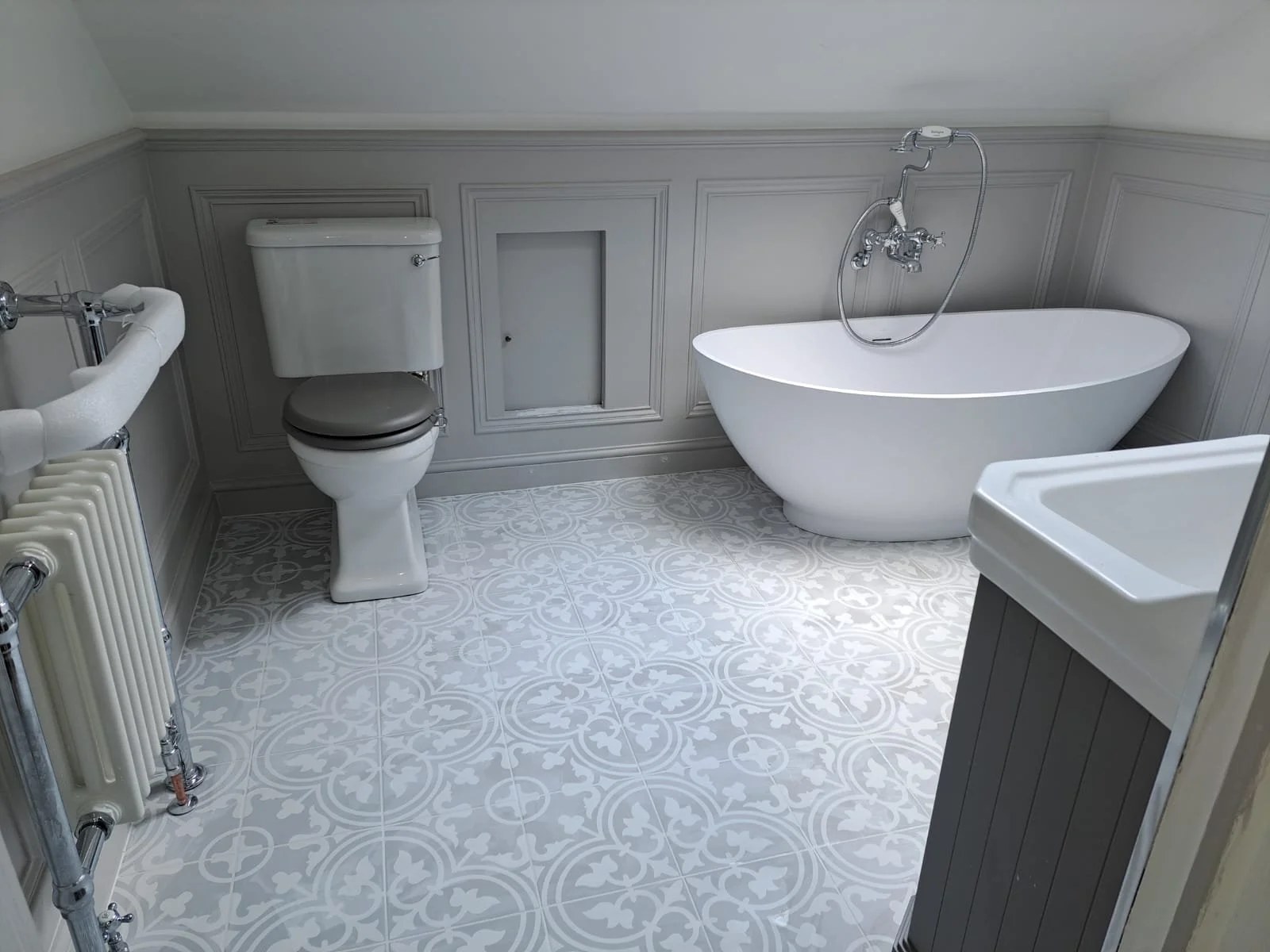 Plumbing and heating installation
 Boiler services project 2
 Plumbing project
 Plumbing and heating installation
 Plumbing and heating installation
 Plumbing project
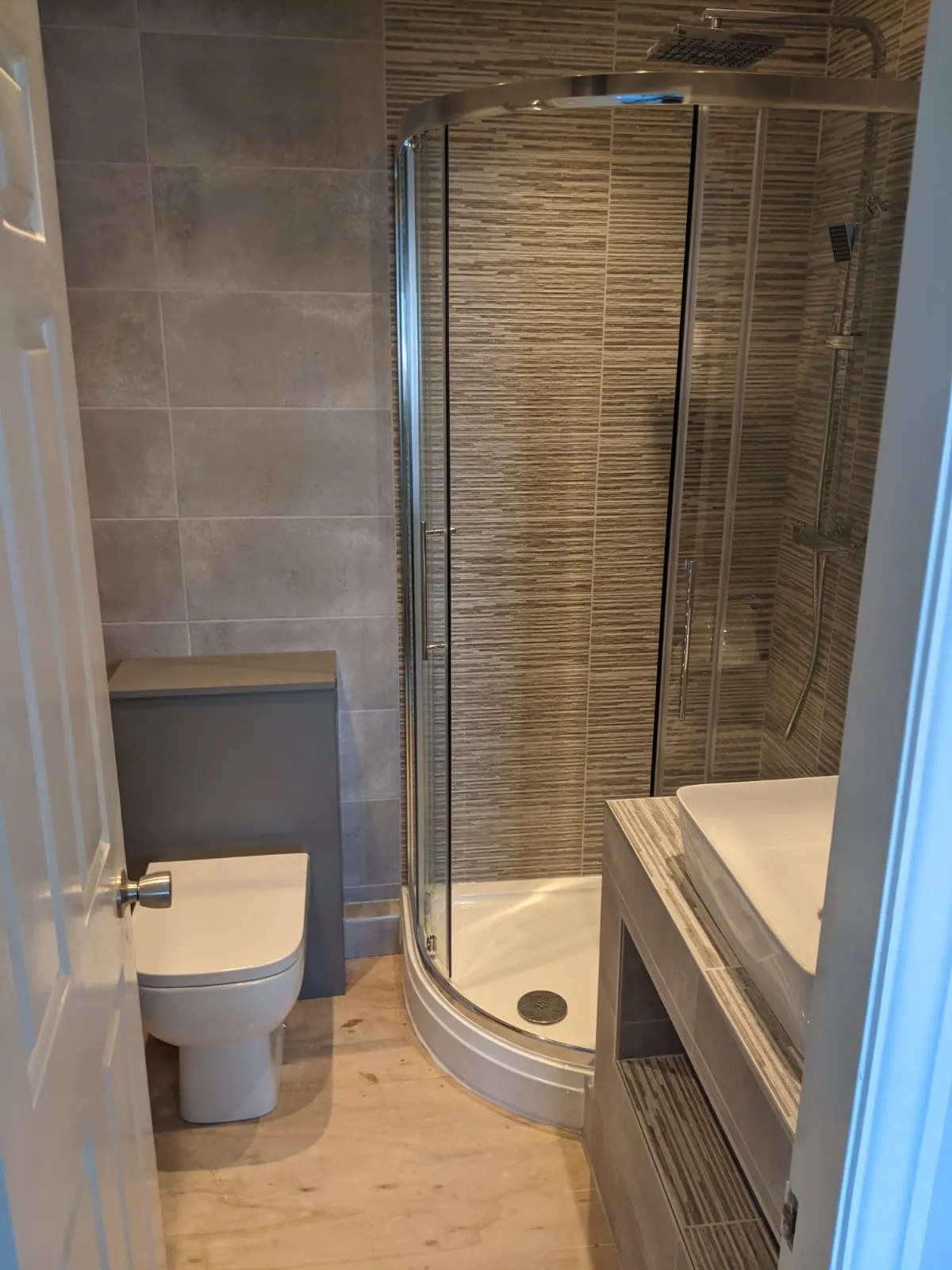 Plumbing and heating installation
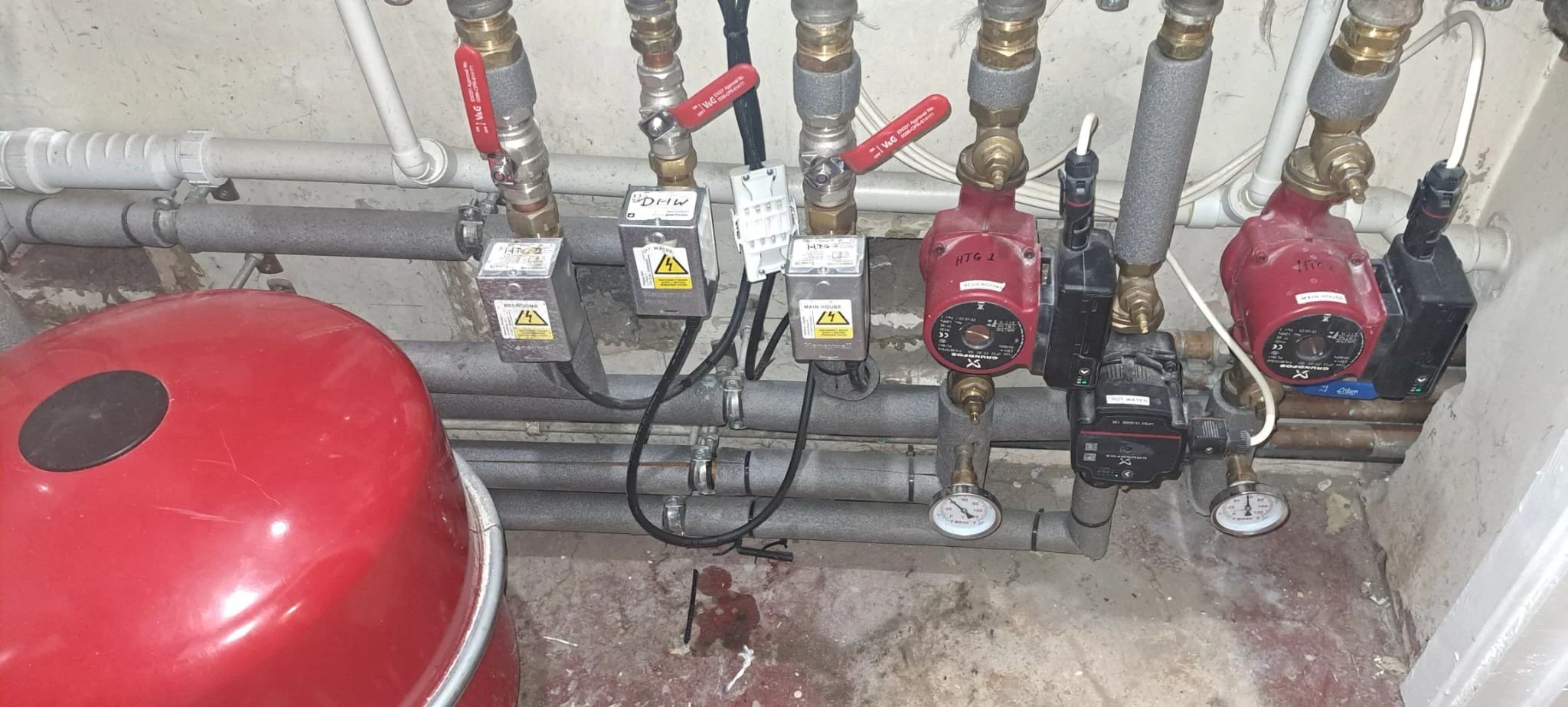 Plumbing and heating installation
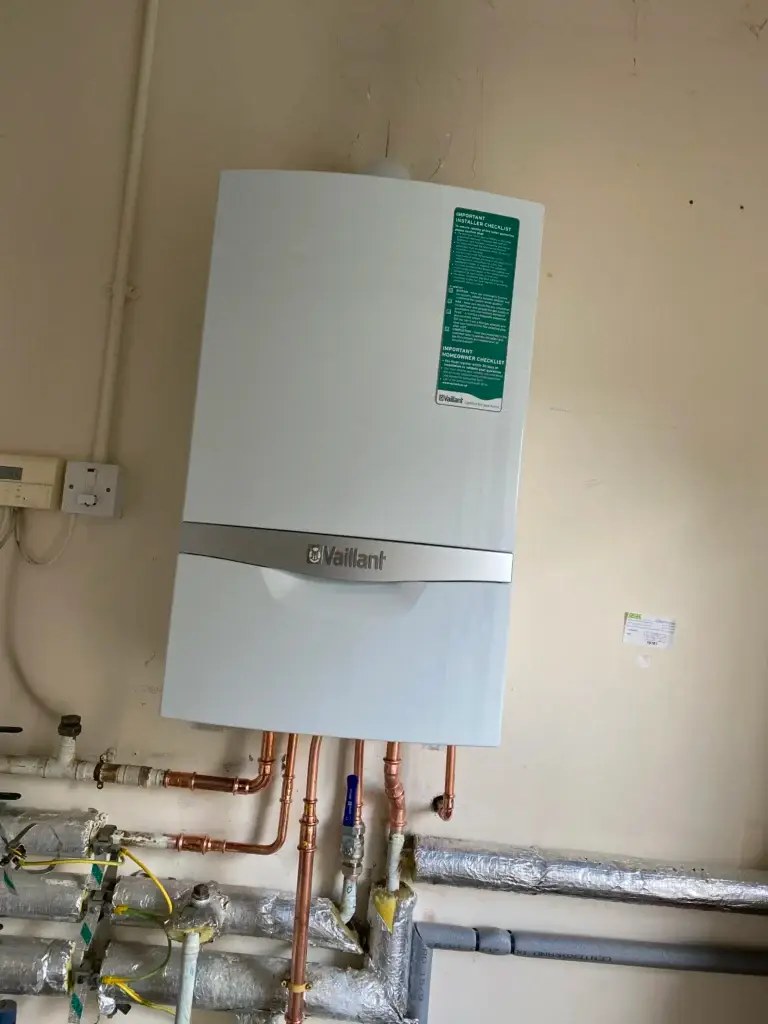 Plumbing project
 Plumbing and heating installation