Asbestos survey quotes
Arrange an asbestos survey before disturbing suspect materials during refurbishment, demolition or maintenance. A competent surveyor identifies accessible asbestos-containing materials, records their condition and location, and explains what needs managing or further investigation, reducing the risk of fibres being released by drilling, cutting or removal.
What this covers
A surveyor examines the parts of a building that could be affected by occupation, maintenance or planned construction work, looking for materials that may contain asbestos. The inspection can include ceilings, floor coverings, insulation, textured coatings, boards, panels, pipe lagging, roof products, service risers and hidden voids where access allows. They assess material condition, location, extent and the likelihood of disturbance, then take representative samples when visual inspection cannot establish composition. Samples are handled and analysed through an appropriate laboratory process, with results linked back to precise locations in the report. A management-focused survey records accessible materials so future maintenance can be planned around them. A refurbishment or demolition survey is more intrusive because the intended work may expose concealed construction layers. The physical scope therefore changes with the building’s structure and the proposed alterations. A survey does not automatically remove asbestos, make damaged material safe or clear every inaccessible void; it provides evidence for deciding what work can proceed, what requires control and where further investigation is needed.
How the work is done
The survey begins with a discussion about the building, its history, occupied areas and the work you intend to carry out. Available drawings, previous reports and maintenance information are reviewed, but the surveyor also tests whether those records match the building on site. They inspect accessible rooms, service routes, plant areas, roof spaces and construction details relevant to the chosen scope. Suspect materials are assessed for location, condition and likely disturbance. Where visual evidence is insufficient, the surveyor takes carefully selected samples, normally explaining any minor damage or making-good implications before proceeding. Samples are identified and sent for analysis, with each result matched to its precise location. The final report sets out findings, photographs or plans where useful, material condition and limitations such as sealed voids or inaccessible areas. You then use it to plan maintenance, isolate affected work areas or commission a separate asbestos removal or remedial service. If the proposed project changes, the report may need reviewing because a survey suitable for one scope may not cover newly exposed materials.
What affects the cost
The main cost drivers are survey scope, building size, construction complexity and the number of areas that must be inspected or sampled. A compact, accessible property with clear records usually requires less investigation than a building with multiple extensions, service voids, suspended ceilings, plant rooms or layered finishes. Refurbishment and demolition scopes cost more than a basic management inspection because concealed materials may need to be exposed. Access affects labour where roofs, locked rooms, high-level features, fragile finishes or occupied areas require additional planning. Laboratory analysis, repeat sampling, travel, out-of-hours access and report plans can also affect the quotation. A low price may reflect limited access or a narrower scope rather than better value. Ask whether the fee includes sampling, analysis, photographs, marked locations, limitations, laboratory documentation and any return visit. Removal, encapsulation, air monitoring and making good are separate workstreams unless specifically included, so compare quotations by deliverables and exclusions rather than the headline figure alone.
Before you hire
Useful job-specific evidence includes a report that distinguishes management, refurbishment and demolition scopes instead of presenting one generic inspection. The surveyor should explain why each sample was selected, identify precise locations, document inaccessible areas and connect laboratory findings to photographs or plans. Check that the quotation states sampling, analysis, report format, limitations and making-good arrangements. Competent practice also means recognising when the proposed work requires a more intrusive survey rather than promising that a visual inspection will cover hidden construction.
Recent work
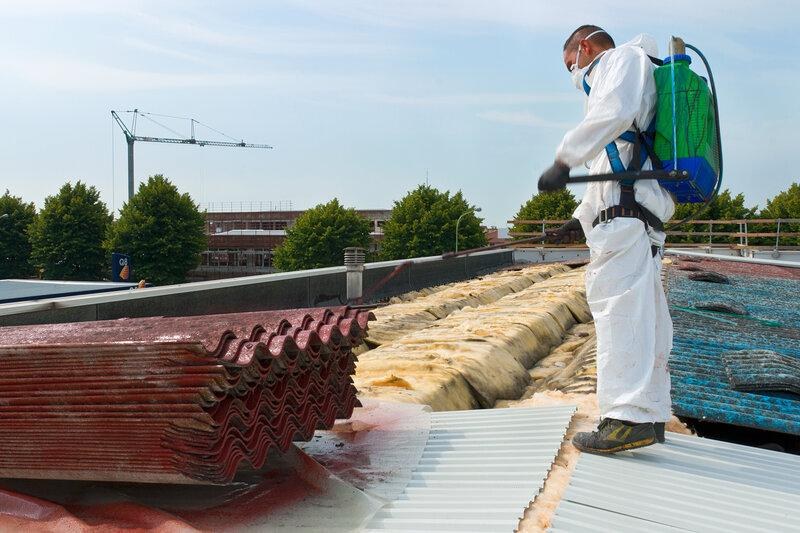 Asbestos services project 1
 Asbestos services project 1
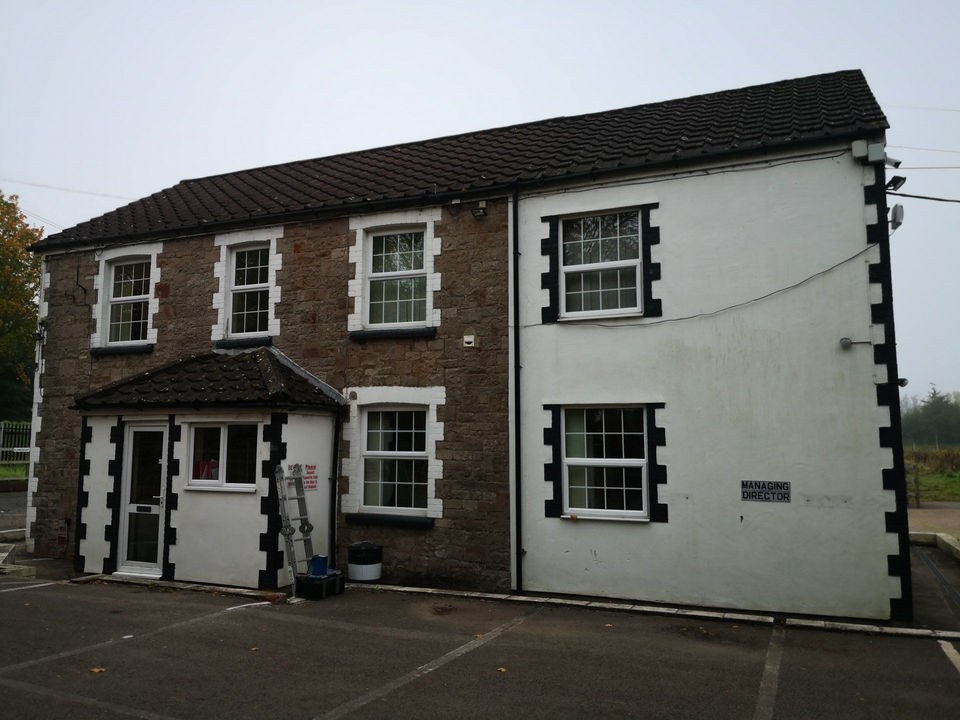 Asbestos services project 1
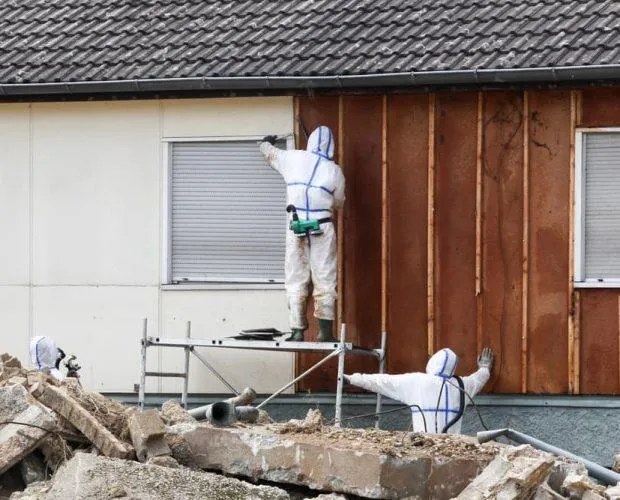 Asbestos services project 1
 Asbestos services project 1
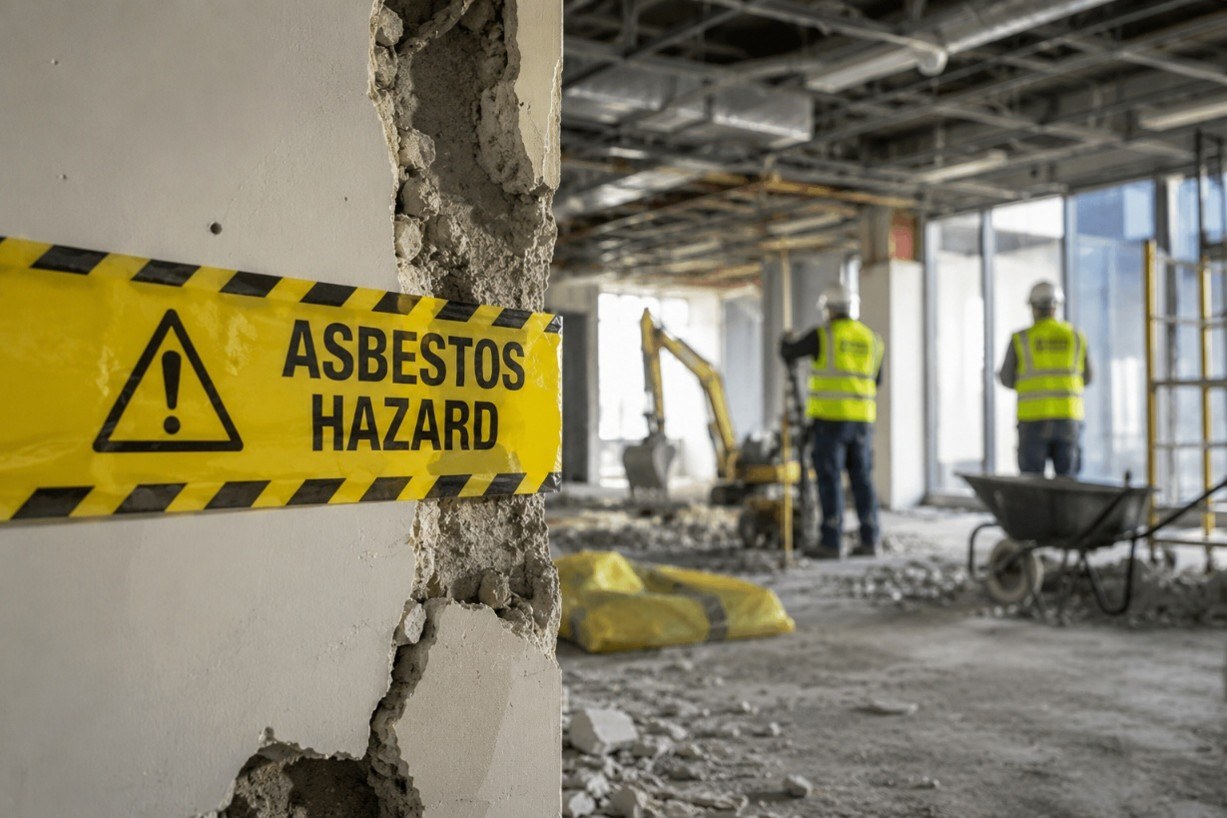 Asbestos services project 1
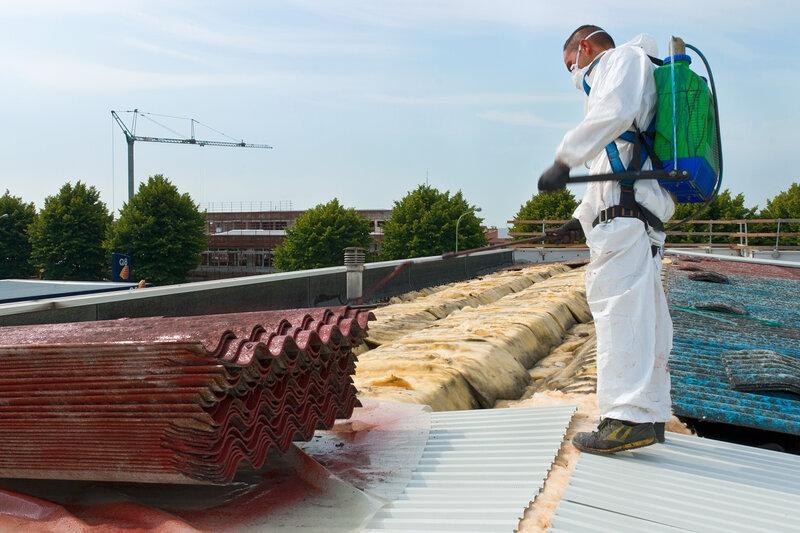 Asbestos services project 1
 Asbestos services project 1
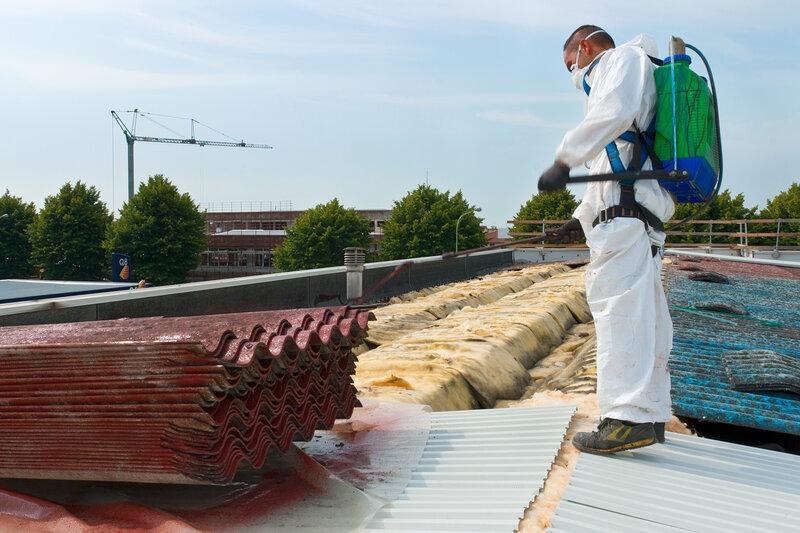 Asbestos services project 1
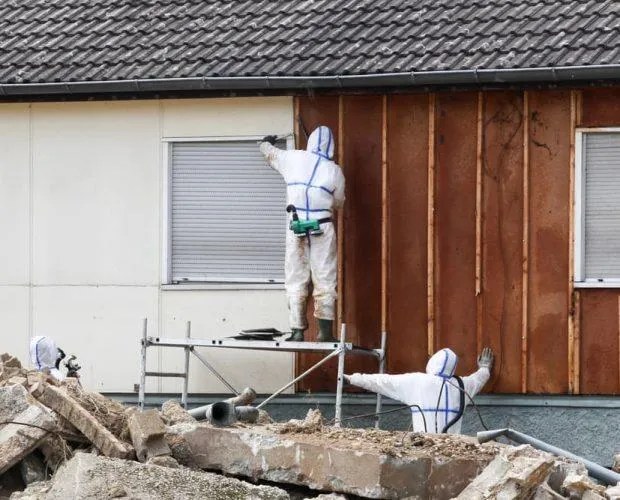 Asbestos services project 1
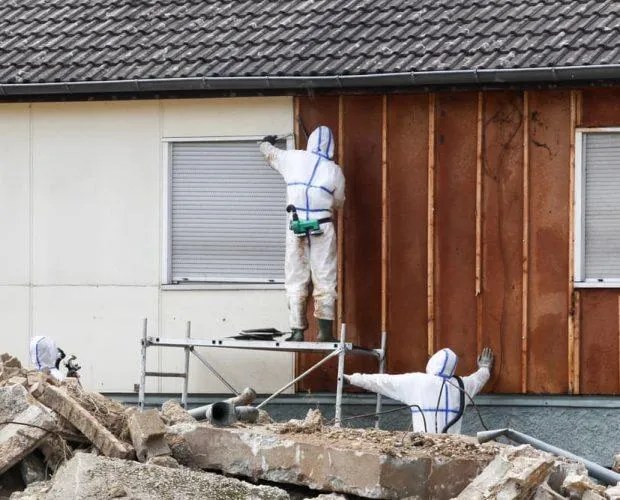 Asbestos services project 1
 Asbestos services project 1
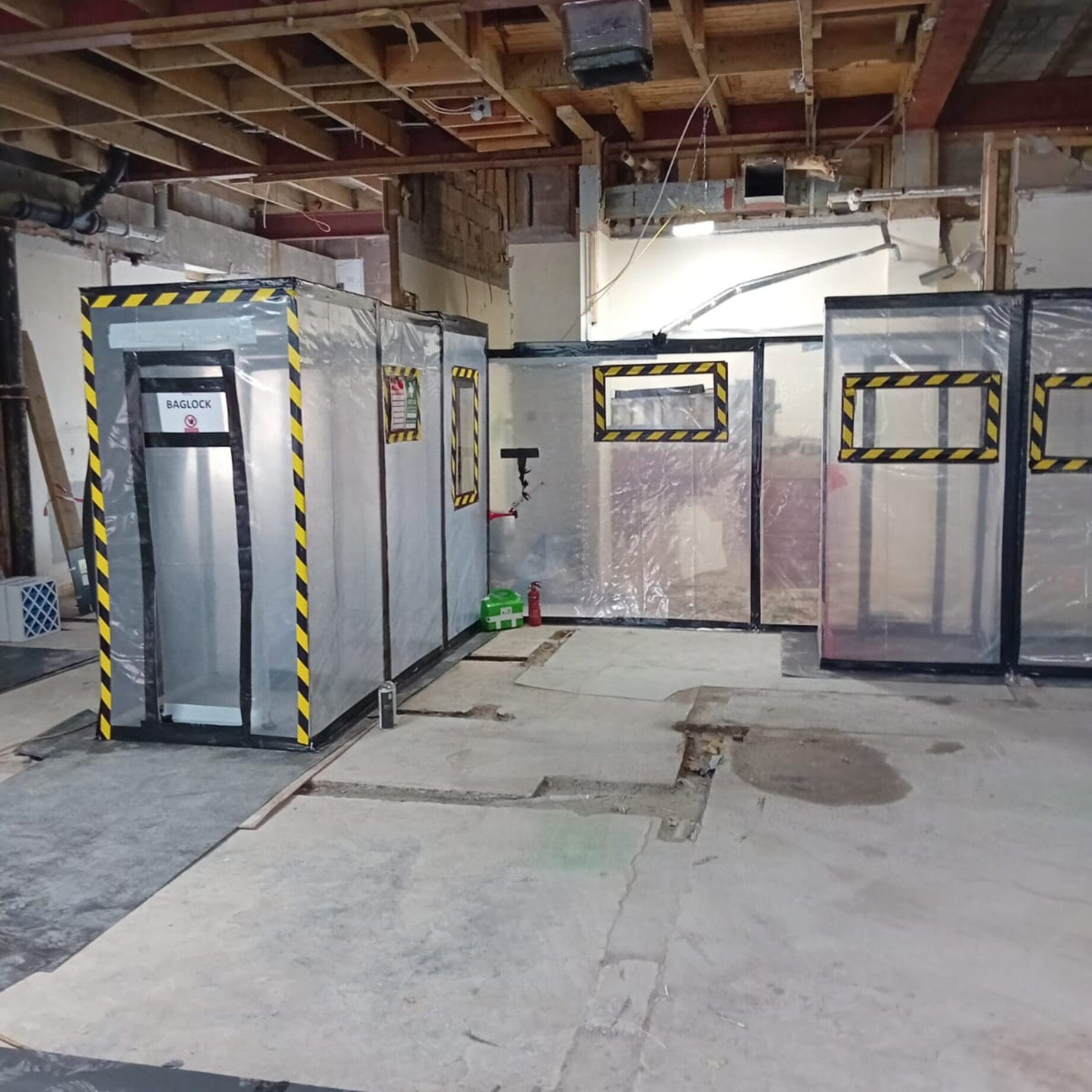 Asbestos services project 1
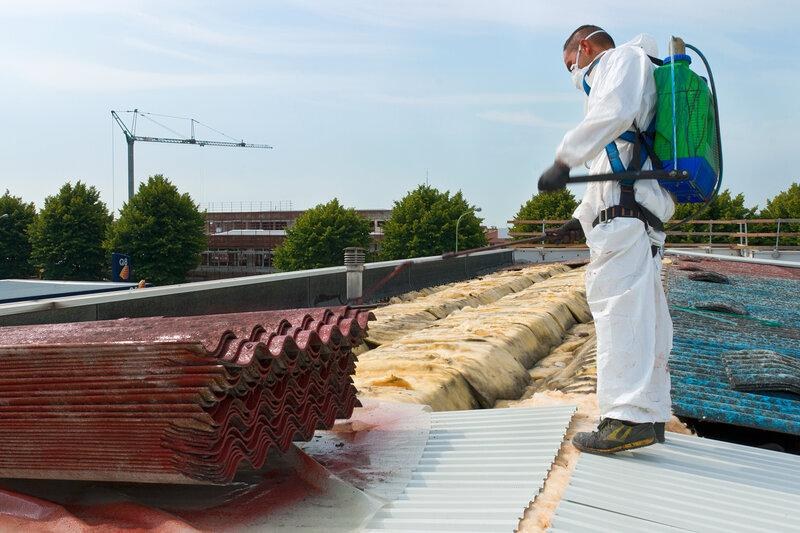 Asbestos services project 1
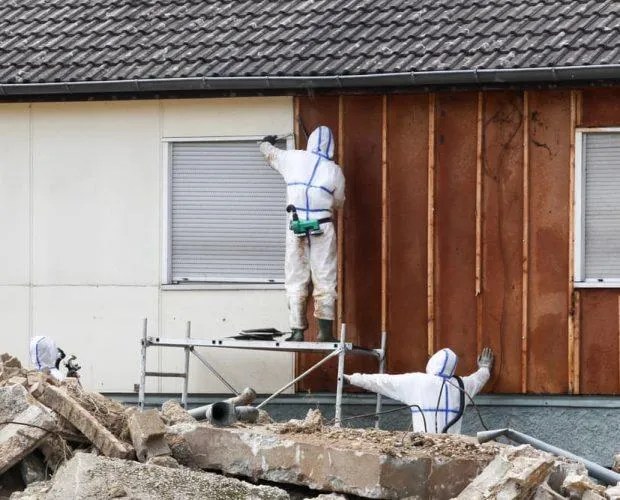 Asbestos services project 1
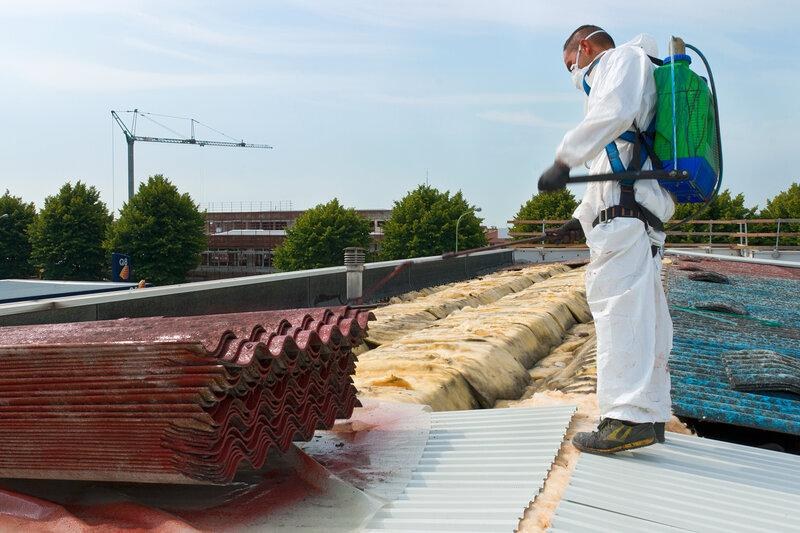 Asbestos services project 1