Alarm installers quotes
Alarm installers survey the property, fit and configure intruder detection equipment, connect alarms to agreed notification methods, and test the complete system. They are needed when a building lacks suitable protection, an existing alarm gives unreliable alerts, or changes to doors, windows and layout leave coverage gaps.
What this covers
The work normally begins with a survey of doors, windows, roof access, garages, outbuildings and internal movement routes. The installer then plans detector coverage, keypad locations, control equipment, siren placement and the route for power or communications. Existing alarm wiring, sensors and batteries are checked before reuse is recommended.
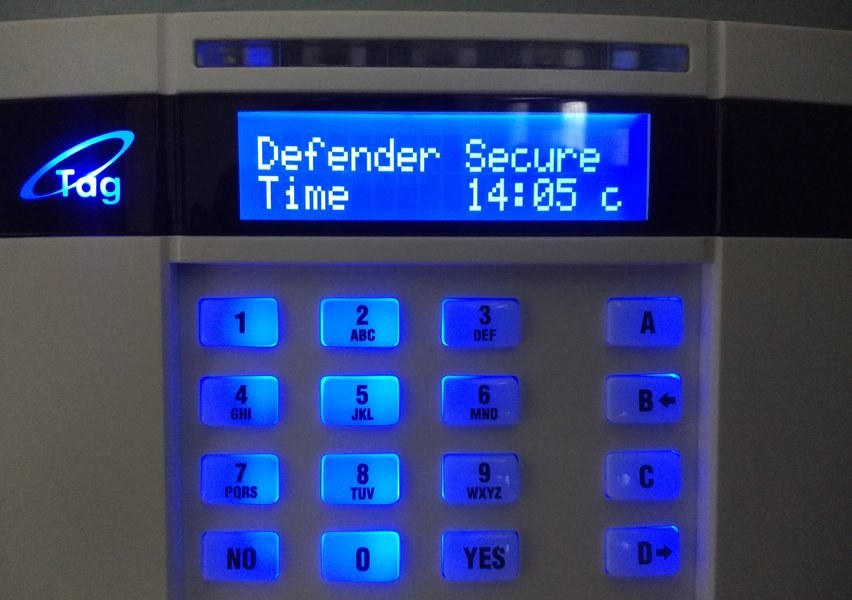
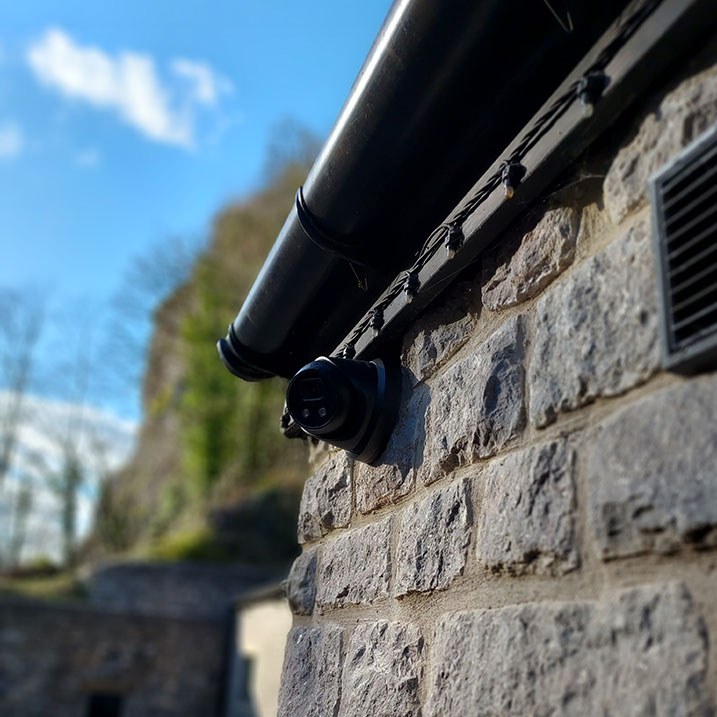
Installation can include fixing contacts to opening doors and windows, mounting motion detectors at suitable heights and angles, fitting a control panel, connecting a keypad, installing external sounders and adding smoke, heat or flood devices where requested. Wireless components still require careful signal assessment, secure mounting and battery access. Wired systems require cable routes through lofts, cupboards, ceilings or walls, followed by making good where needed.
Commissioning includes programming user codes, entry and exit delays, detection zones, tamper protection and notification settings. The installer should walk through arming, disarming, isolation and alarm reset procedures, then test each detector, warning device, power source and communication path. Any connection to a monitoring service or nominated contacts must be verified rather than assumed.
How the work is done
The installer first discusses the property, occupants, pets, access habits and the problem with the existing system. A physical survey follows, covering entry points, internal routes, power, communications, signal strength and practical detector positions.
Next, the proposed zones, equipment, cable routes and notification method are agreed. The installer isolates relevant supplies where necessary, removes unsuitable components and fits the panel, detectors, contacts, keypad, sirens and ancillary sensors. Wired equipment is connected through planned routes; wireless devices are enrolled and checked for reliable communication.
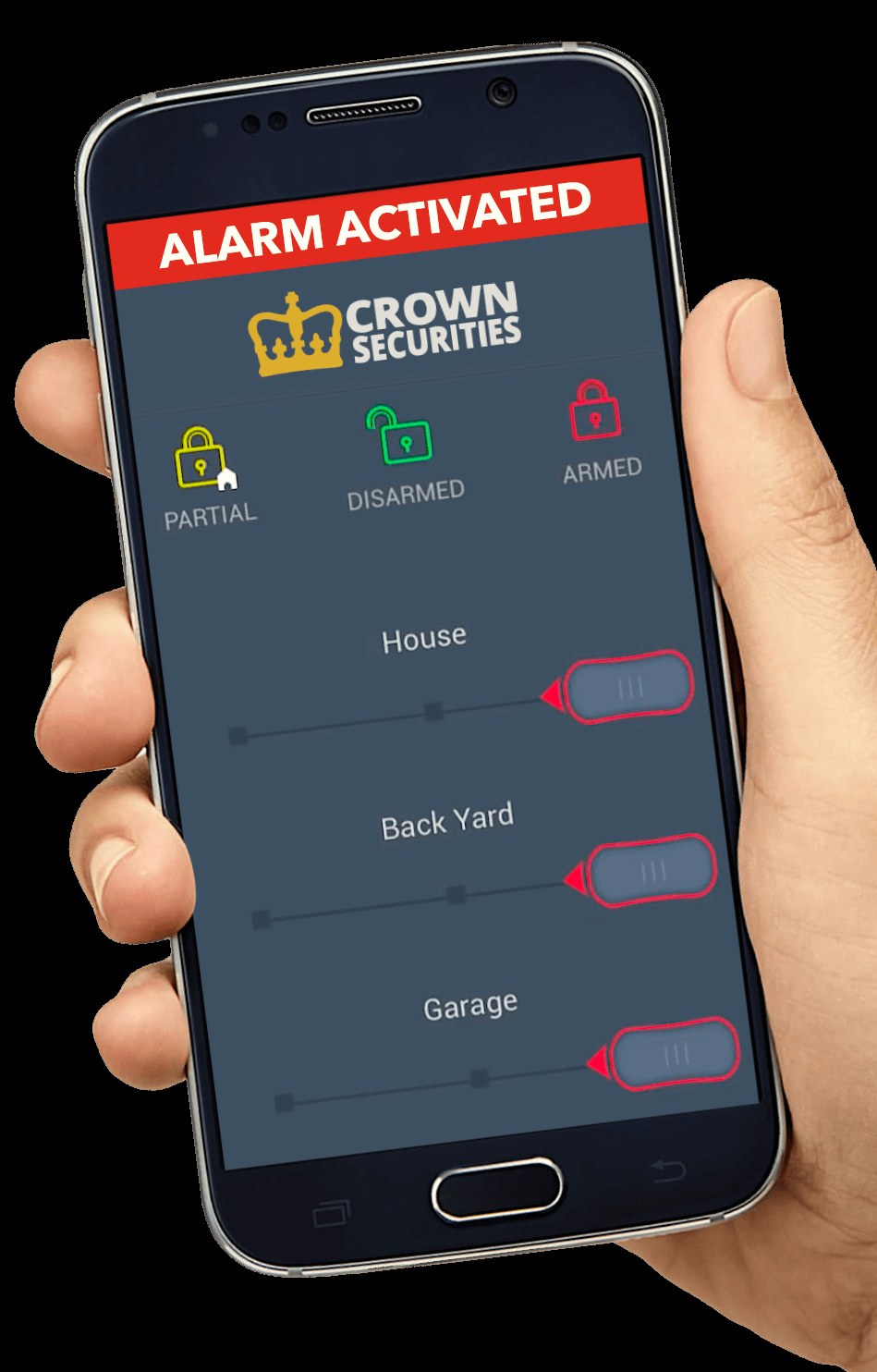
The system is then programmed for user codes, zone names, entry and exit behaviour, tamper responses and contact procedures. Every sensor is activated, the siren and visual indicators are tested, backup power is checked, and any monitoring or app notification is confirmed. The customer is shown normal operation, alarm cancellation, fault recognition and battery access. Handover should include instructions, zone information, test results and details of recommended servicing.
What affects the cost
The main cost drivers are property size, the number of protected openings, detector density, storeys, outbuildings and the complexity of the proposed zones. A compact, accessible layout usually involves less work than a large property with several buildings, awkward roof spaces or restricted cable routes.
Method also changes the installation effort. Wired systems can require lifting floors, entering lofts, drilling masonry and making good decorations, while wireless systems may need additional devices or signal testing. Reusing an existing system may reduce equipment changes but increase diagnostic and compatibility work if records are missing or components are discontinued.
Allow for the control panel, detectors, contacts, sirens, batteries, communications hardware, programming, removal of old equipment and customer instruction. Monitoring or connected services may create separate ongoing charges. A useful quotation should state equipment, zones, cable routes, access assumptions, making good, disposal, testing, handover and future servicing, rather than combining every item under installation.
Before you hire
Job-specific competence shows in a written zone plan, a survey that considers pets and signal paths, and an explanation of why each detector is positioned where it is. The installer should distinguish a failed component from a programming or communications fault, test tamper and backup power, and demonstrate every notification route. Look for clear records of equipment, user instructions, isolation procedures and recommended service intervals. For connected systems, they should explain account ownership, data access and what happens when communications fail.
Recent work
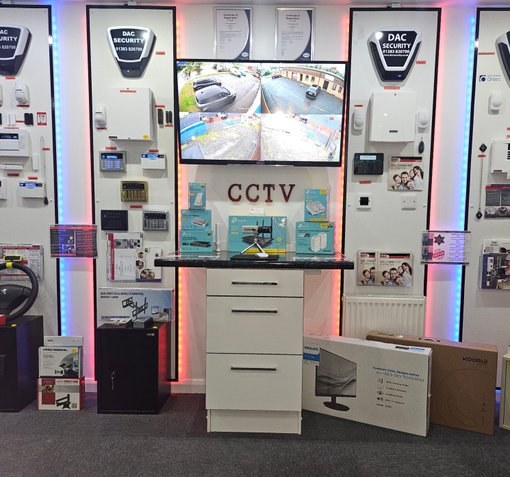 Alarm installers project 1
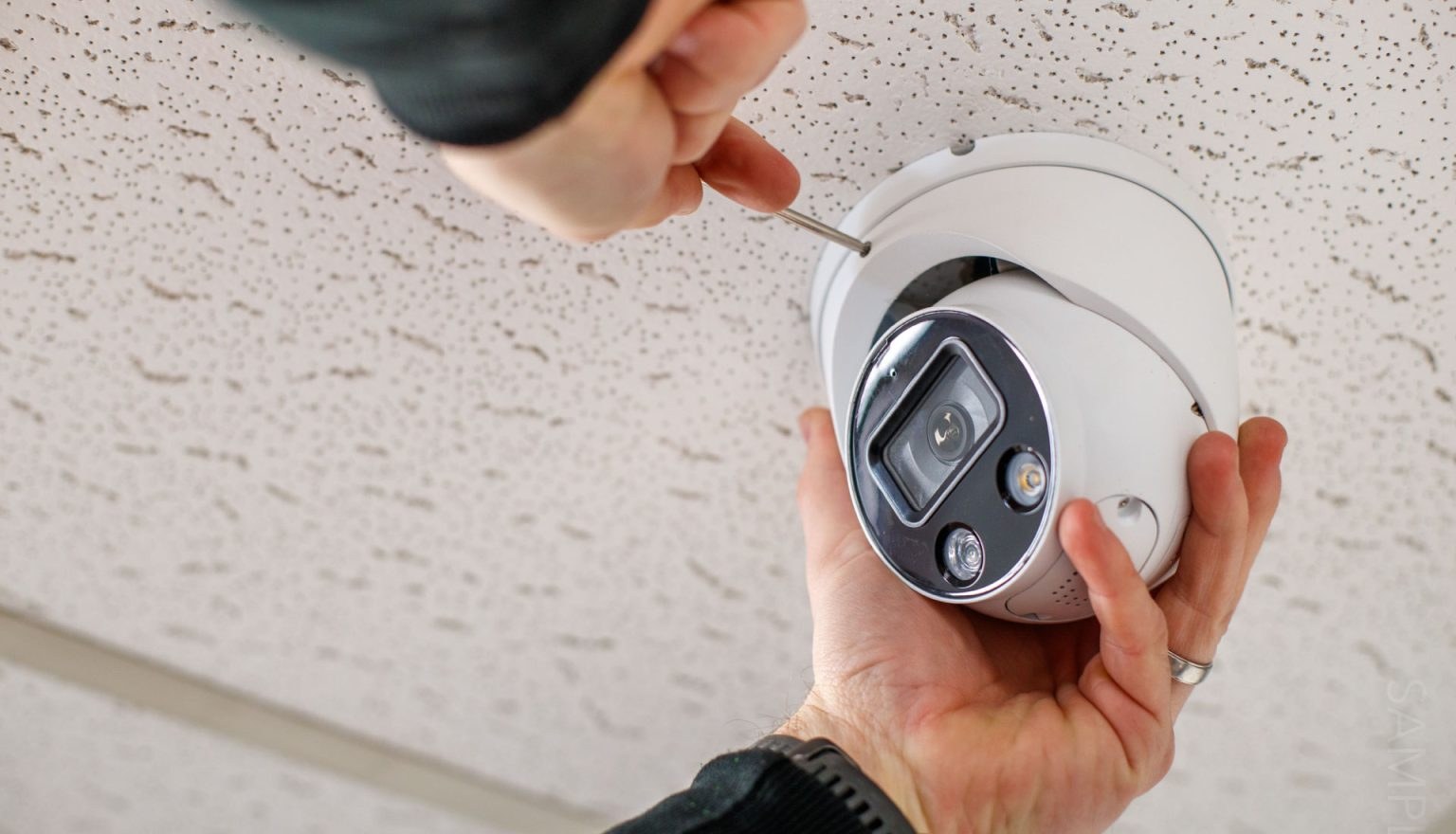 Alarm installers project 1
 Alarm installers project 1
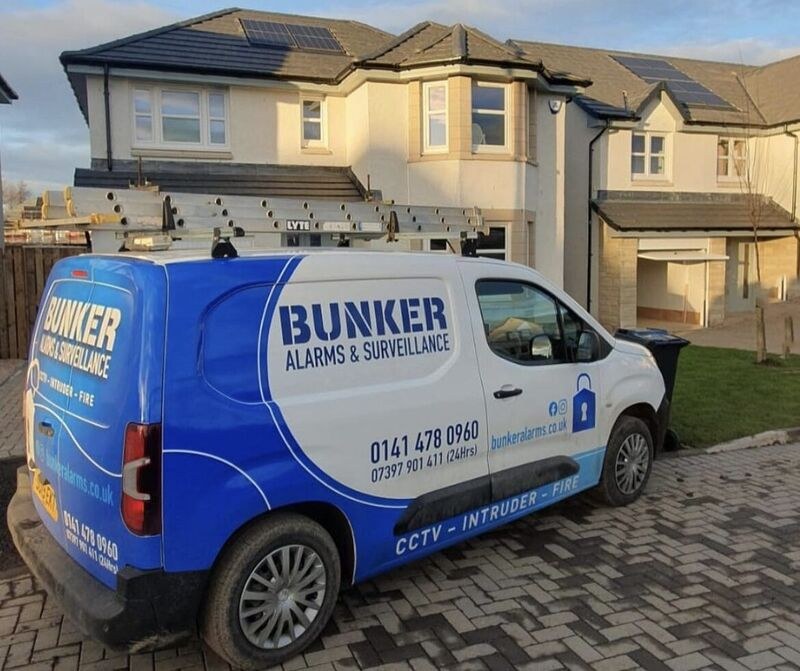 Alarm installers project 1
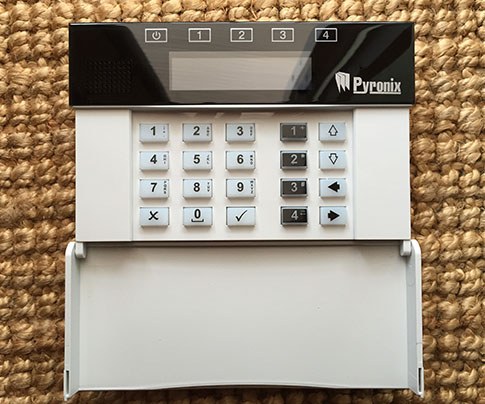 Alarm installers project 1
 Alarm installers project 1
 Alarm installers project 1
 Alarm installers project 1
 Alarm installers project 1
 Alarm installers project 1
 Alarm installers project 1
 Alarm installers project 1
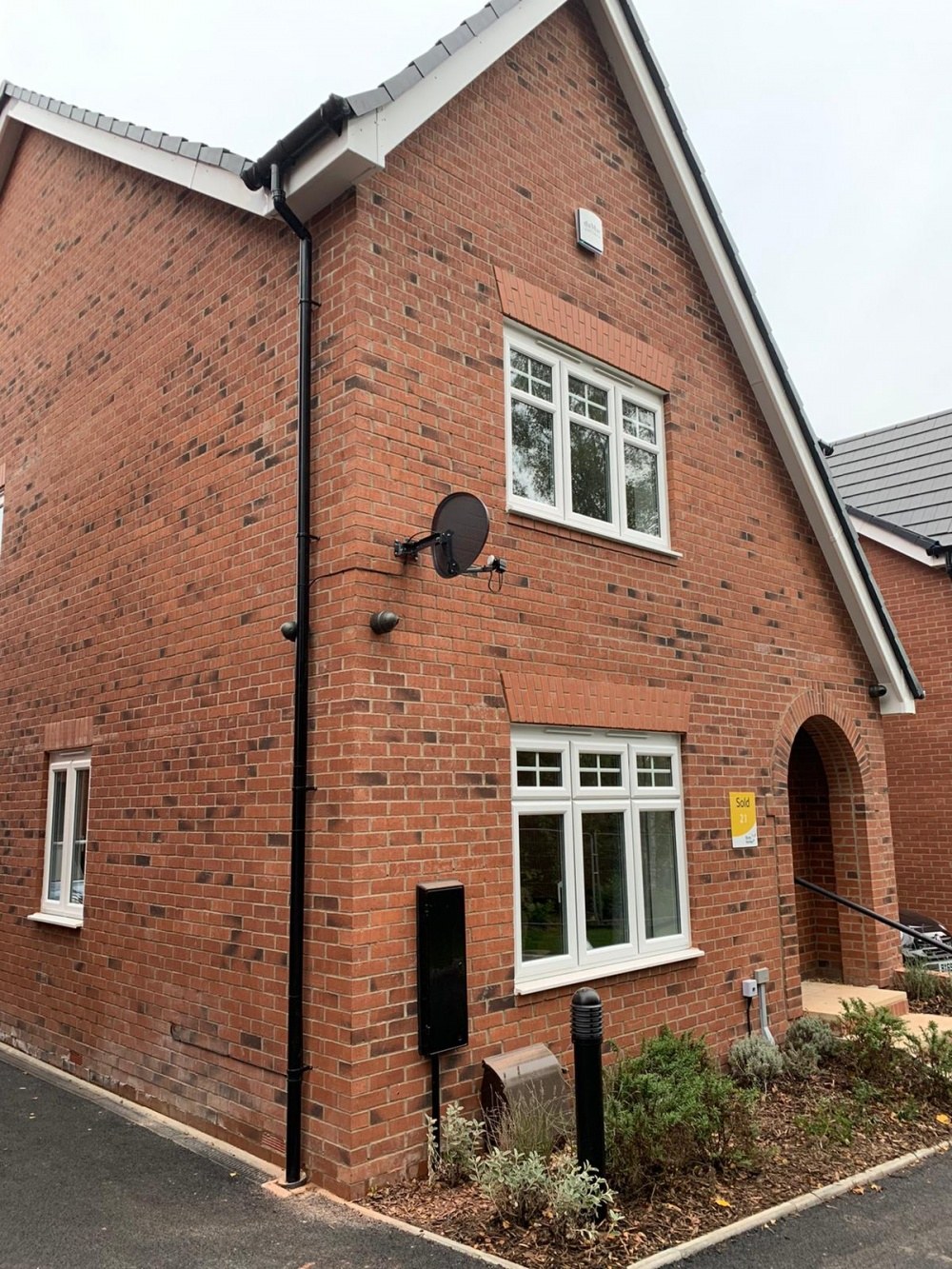 Alarm installers project 1
 Alarm installers project 1
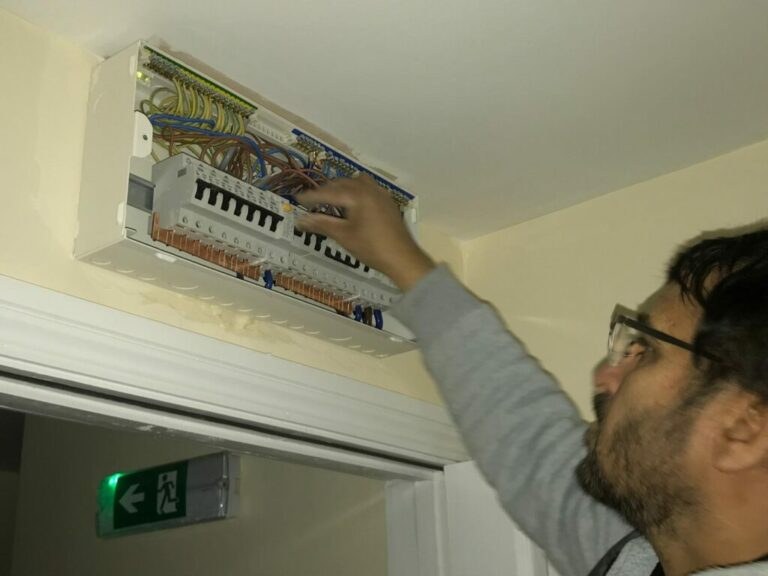 Alarm installers project 1
 Alarm installers project 1