Aesthetics clinics quotes
Choose an aesthetics clinic by matching the treatment to a qualified practitioner, an appropriate consultation process and clear aftercare. Clinics may provide injectables, skin treatments, laser procedures or non-surgical contouring to address concerns such as lines, pigmentation, scarring or unwanted hair, with suitability and risk assessed before treatment.
What this covers
Aesthetics clinic work covers non-surgical procedures intended to alter, improve or maintain the appearance of skin, facial features or body areas. The scope may include consultation, photography or assessment, cleansing and preparation, application of topical products, injection of prescribed or authorised substances, use of light or energy devices, wound or surface care, and planned review.
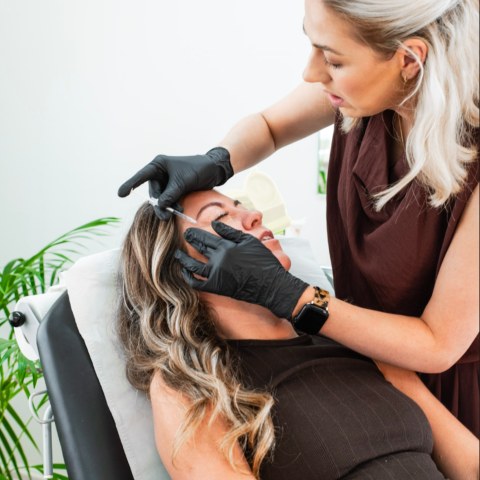
The practitioner first identifies the concern and checks whether the proposed treatment is suitable. For injectable work, this can involve marking points, selecting a product and controlling depth and volume. For peels, microneedling or laser-based procedures, the operator prepares the skin, sets treatment parameters and protects nearby areas. Afterward, you should receive instructions covering washing, sun exposure, exercise, products, expected reactions and warning signs.
A clinic may also decline treatment, recommend staged sessions or suggest referral where symptoms, medication, pregnancy, active infection, scarring tendency or another health factor changes the risk. The service therefore includes judgement before the procedure, not simply the procedure itself.
How the work is done
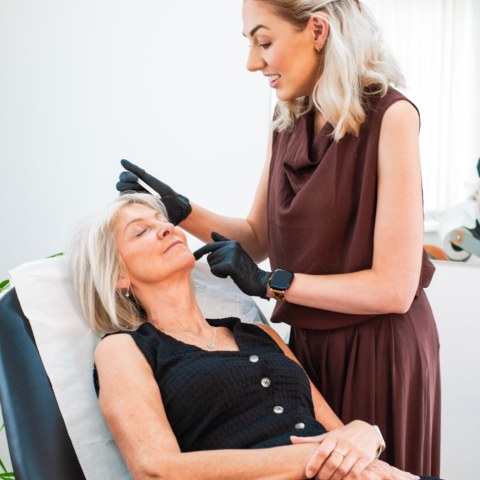
The appointment usually begins with a private consultation, medical-history questions and discussion of the result you want. The practitioner examines the treatment area, checks contraindications, explains likely benefits and limitations, and records consent before proceeding.
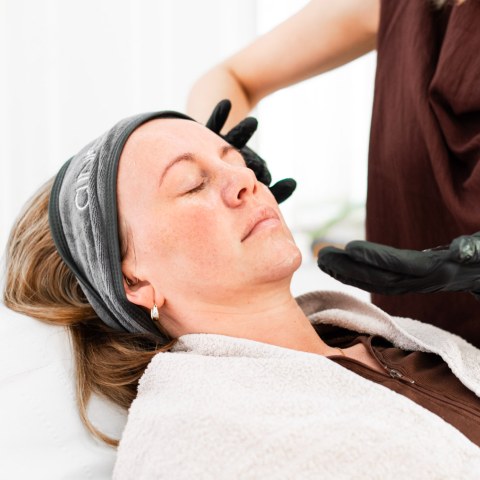
The skin is then cleansed and prepared. Depending on the service, the practitioner may apply numbing cream, mark injection points, select a peel strength, adjust a device or position protective equipment. Treatment follows the agreed plan, with product quantity, needle placement, contact time or energy settings controlled for the area and skin response.
Afterward, the practitioner checks the immediate reaction and explains washing, products, sun exposure, exercise and other restrictions. You should leave with written aftercare, contact instructions and a clear indication of whether a review is needed. At follow-up, the result and any reaction are assessed; further treatment should be based on healing and suitability rather than an automatic repeat booking.
What affects the cost
The cost of aesthetics treatment is driven by the practitioner’s assessment, the procedure selected, the amount and type of product or consumables, the size and number of treatment areas, and the equipment required. Injectable work may vary with product quantity and anatomical complexity; device treatments may reflect treatment settings, surface area and whether specialist protective measures are needed.
A quote can also change if consultation, patch testing, prescription arrangements, numbing cream, follow-up, corrective treatment or aftercare products are separate. Complex concerns may need staged treatment rather than one appointment, while a history of previous filler, scarring or pigmentation can require more cautious planning. Ask what is included, which product or method is proposed, who performs each stage, and what happens if the planned treatment is unsuitable. A low headline price is difficult to compare if review care, consumables or management of complications are excluded.
Before you hire
Look for treatment-specific competence rather than a broad list of services. The practitioner should be able to explain facial anatomy for injectable work, skin-type considerations for peels and devices, product traceability, patch testing where appropriate, contraindications, emergency escalation and aftercare. Ask who assesses you, who performs the procedure and who remains available afterward. A credible consultation includes a willingness to decline treatment, explain alternatives and document consent, product details and the agreed outcome rather than promising an identical result.