Access control quotes
Choose access control when unapproved entry, lost keys or unclear movement records create a security problem. The work may involve reviewing doors, fitting electronic readers, connecting permissions to a controller and testing release mechanisms, so authorised people enter smoothly while access can be withdrawn or investigated.
What this covers
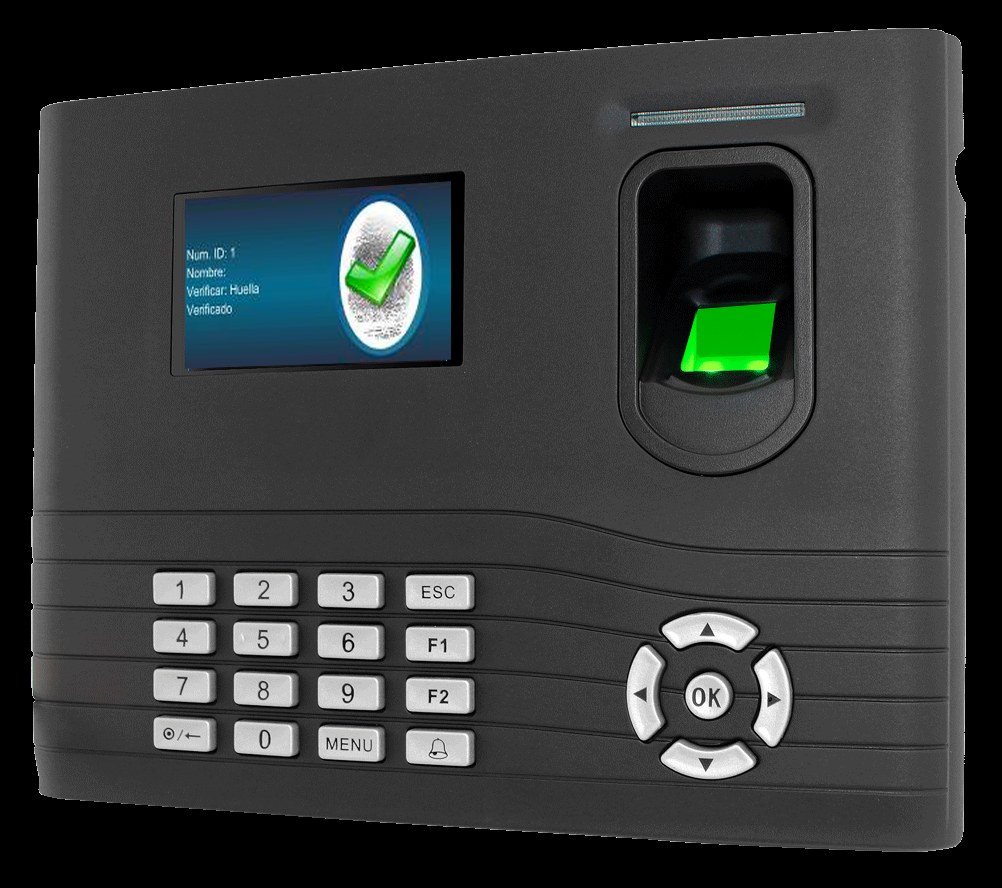
The work starts with examining each door, frame, lock, hinge, closer and surrounding wall or ceiling route. The provider then maps who needs entry, at which times, and whether the system must record events, support visitors, release doors from a reception point or connect with other security equipment. A reader may be installed outside the opening, with a controller, power supply, request-to-exit device and electric locking hardware positioned to suit the building.
Existing doors may need adjustment before a lock or strike can operate consistently. Cables can run through accessible voids, containment or surface trunking, while wireless equipment may reduce disturbance where wiring is difficult. The installer configures credentials and permissions, labels equipment, checks emergency release arrangements and tests every controlled direction. Handover should explain adding and removing users, reviewing events, responding to faults and securing administrator accounts. The scope is therefore more than fitting a reader: it combines door hardware, electrical work, configuration and practical user management.
How the work is done
The provider first surveys the openings, checks door operation and identifies the people, periods and areas that require control. You should receive a proposed door schedule showing readers, locks, exit devices, monitoring points, power supplies and any connection to a network or alarm.
Before installation, the door is adjusted if hinges, closers or alignment would prevent reliable latching. The installer protects finishes, isolates relevant supplies, routes and labels cabling, then fits the reader, controller, lock, request-to-exit device and door contact. Existing access arrangements remain available only if the agreed method requires them.
Configuration follows physical installation. Credentials are enrolled, permissions are assigned, time rules are set and administrator access is secured. Each door is tested from both sides, including valid and rejected credentials, exit operation, power-loss behaviour, held-open alerts and any reception release. The provider should explain routine administration, supply records or drawings where agreed, and identify unresolved limitations rather than leaving them for users to discover.
What affects the cost
The cost is driven first by the number and type of openings, because each door may need a reader, controller connection, lock, exit device, door contact and commissioning. A straightforward surface-mounted installation is less involved than work requiring concealed cabling, fire-rated construction details, high-level access or repairs to a warped frame.
Hardware choice also matters. Battery devices, networked controllers, biometric readers, motorised locks and integrated alarm or video functions introduce different equipment, configuration and support requirements. Existing infrastructure can reduce work if power, network routes and suitable containment are available; inaccessible voids, thick walls and occupied premises increase labour and making-good.
Ask whether the quotation includes survey work, door alterations, cabling, power supplies, software or subscriptions, credential enrolment, testing, training, waste removal and future support. Clarify recurring charges, replacement credentials, battery servicing and call-outs separately. A cheaper proposal may exclude the door preparation or configuration needed for dependable operation.
Before you hire
Useful evidence is specific to the opening being controlled. A competent provider should explain why a strike, magnetic lock, motorised lock or other method suits the door, how the door will remain usable for authorised exit, and where power and cabling will run. Look for a documented door schedule, permission plan and commissioning test rather than a reader-only quotation. The installer should demonstrate rejected credentials, held-open alerts, power-loss behaviour and administrator changes at handover. Ask who maintains the system, how faults are diagnosed and how lost credentials are cancelled without compromising the remaining doors.
Recent work
 Access control project 1
 Access control project 1
 Access control project 1
 Access control project 1
 Access control project 1
 Access control project 1
 Access control project 1
 Access control project 1
 Access control project 1
 Access control project 1
 Access control project 1
 Access control project 2
 Access control project 2
 Access control project 2
 Access control project 2
 Access control project 2